Với hơn 10 năm kinh nghiệm về vận chuyển khí nén, Headpowder Sơn Đông cung cấp hệ thống, thiết bị và quạt gió toàn chuỗi, đảm nhận các dự án kỹ thuật bột trọn gói trên toàn quốc.
Soil transportation is a fundamental process in construction, civil engineering, and environmental projects, involving the movement of earth materials from one location to another. The efficiency and reliability of soil transport directly influence project timelines, operational costs, and overall success. Understanding the common methods used for soil transportation is crucial for professionals to select the most appropriate approach for their specific needs. This article explores the primary methods of soil transportation, highlighting key considerations, applications, and the role of specialized equipment from companies like Shandong HeadPowder Engineering Co., Ltd.
1. Mechanical Conveyance Systems
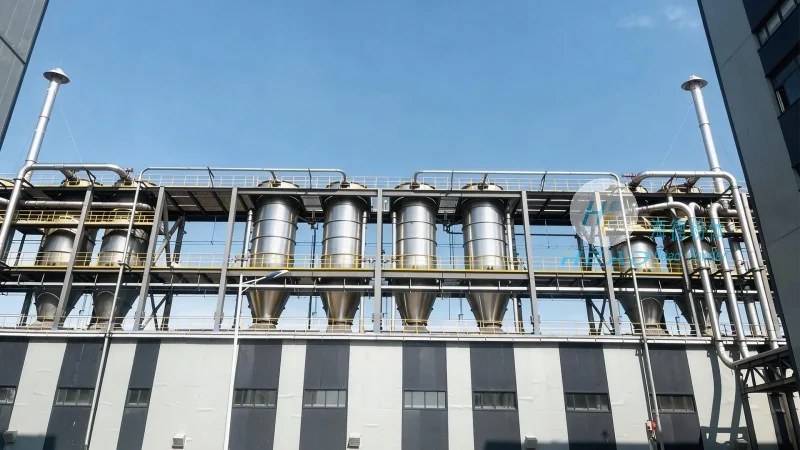
One of the most prevalent methods for soil transportation is through mechanical conveyance systems. These systems utilize machinery such as belt conveyors, screw conveyors, and bucket elevators to move soil over short to medium distances. Belt conveyors, for instance, are highly effective for transporting loose materials like soil, sand, and gravel. They consist of a continuous belt that moves over rollers, with soil placed on the belt and carried to the desired location. This method is ideal for horizontal and slight incline movements, making it suitable for construction sites where soil needs to be moved from excavation areas to disposal or storage sites. The mechanical nature of these systems ensures consistent and reliable transport, reducing material spillage and enhancing operational safety. Shandong HeadPowder Engineering Co., Ltd. specializes in designing and manufacturing advanced mechanical conveyance equipment tailored to the unique requirements of soil transportation projects, ensuring optimal performance and durability.
2. Hydraulic and Pneumatic Transport
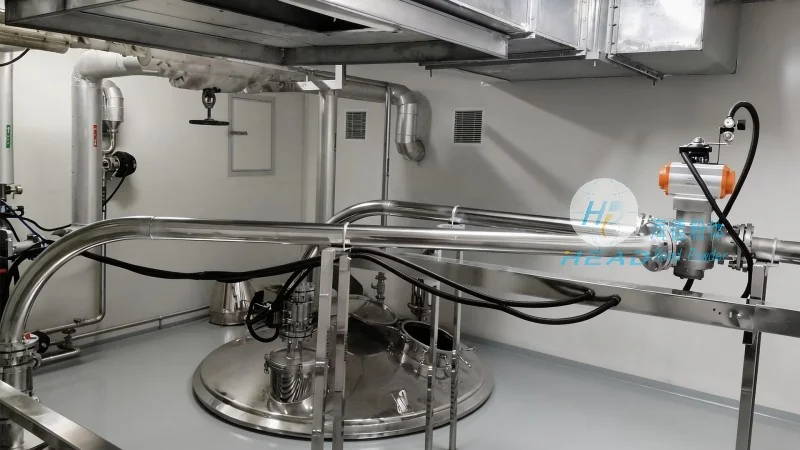
Another common method involves hydraulic or pneumatic systems for soil transportation. Hydraulic systems use high-pressure fluid to drive pistons or cylinders that move soil through pipes or hoses. This approach is particularly advantageous for transporting soil in challenging environments, such as underground or in confined spaces where traditional machinery may not be feasible. Pneumatic systems, on the other hand, utilize compressed air to move soil through flexible hoses or pipes. Both hydraulic and pneumatic transport methods offer flexibility and precision in soil movement, allowing for controlled and directed delivery of materials. These systems are often used in applications requiring precise placement of soil, like landscaping or foundation work. The technology behind these systems has evolved significantly, with modern designs incorporating advanced controls and monitoring to enhance performance and safety. HeadPowder, as a leading provider in the industry, offers hydraulic and pneumatic transport solutions that meet the highest standards of efficiency and reliability.
3. Gravity-Based Transportation
Gravity-based transportation relies on the natural force of gravity to move soil from higher to lower elevations. This method is typically used in situations where the terrain allows for a natural slope or where the distance is short and the soil is loose enough to flow under gravity. Chutes and slides are common components of gravity-based systems, allowing soil to move down slopes without additional machinery. This approach is cost-effective and energy-efficient, as it does not require external power sources or complex equipment. However, it is limited by the site's topography and the soil's characteristics, as certain types may not flow well under gravity. For projects where gravity-based transport is feasible, it can significantly reduce operational costs and improve workflow. Shandong HeadPowder Engineering Co., Ltd. provides expertise in designing gravity-based systems that optimize soil movement based on site-specific conditions, ensuring maximum efficiency and minimal environmental impact.
4. Truck and Vehicle Transport
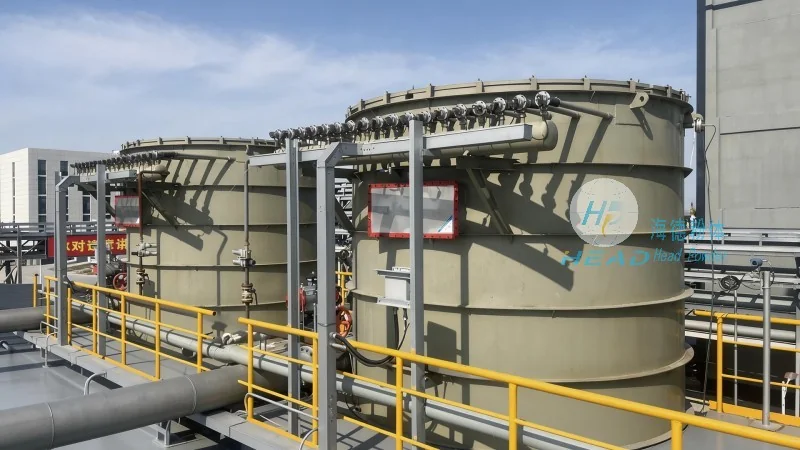
For longer distances or when transporting soil to remote locations, truck and vehicle transport is a widely adopted method. This involves loading soil into trucks or specialized vehicles and transporting it to the designated site. The choice of vehicle depends on the volume and type of soil, with larger trucks used for bulk quantities and smaller vehicles for localized movements. Truck transport is flexible and can reach areas inaccessible to other machinery, making it suitable for various construction and earth-moving projects. However, it may be less efficient for large-scale operations due to loading, unloading, and travel time. To enhance efficiency, companies like HeadPowder offer equipment and services that streamline these processes, reducing downtime and improving productivity. Specialized trucks equipped with advanced loading mechanisms further optimize soil transport, ensuring safe and effective handling.
5. Combination Methods
In many cases, a combination of methods is used to achieve optimal soil transportation. For example, a project might start with mechanical conveyance to move soil from excavation to a central location, followed by hydraulic transport to distribute it to different areas. This integrated approach allows flexibility and adaptability, ensuring efficient soil movement regardless of site topography or project requirements. The use of combination methods requires careful planning and coordination to avoid disruptions. Shandong HeadPowder Engineering Co., Ltd. specializes in designing and implementing integrated soil transportation systems that combine multiple methods to meet unique project needs. Their expertise in system integration ensures all components work seamlessly, maximizing overall efficiency and effectiveness.
6. Environmental Considerations
When selecting a soil transportation method, environmental impact is a critical factor. Soil transport can generate dust, noise, and emissions, affecting nearby communities and ecosystems. To mitigate these impacts, companies like HeadPowder employ dust suppression systems, noise reduction measures, and emission control technologies. These practices minimize the environmental footprint while maintaining operational efficiency. Additionally, the choice of method influences soil disturbance and erosion, which are vital for preserving natural landscapes. By selecting appropriate methods and implementing environmental safeguards, soil transportation can be conducted sustainably. Shandong HeadPowder Engineering Co., Ltd. prioritizes environmental considerations in all solutions, ensuring projects are completed with minimal impact on the surrounding environment.

 Shandong Headpowder Engineering Co., Ltd.
 156-6277-7102(Quản lý Trương)
  0531-83386006
  Thành phố Tế Nam, Tỉnh Sơn Đông, Trung Quốc
Điện thoại
WeChatTư vấn
Lên đầu