Với hơn 10 năm kinh nghiệm về vận chuyển khí nén, Headpowder Sơn Đông cung cấp hệ thống, thiết bị và quạt gió toàn chuỗi, đảm nhận các dự án kỹ thuật bột trọn gói trên toàn quốc.
Plastic pellet conveying is a critical process in the manufacturing and processing of plastic materials. The efficient and reliable transfer of plastic pellets from one location to another is essential for maintaining production line continuity and ensuring product quality. Various methods are employed in the industry to achieve this, each with its own advantages and specific applications. This article explores the primary methods of plastic pellet conveying, focusing on the technologies and systems used by Shandong HeadPowder Engineering Co., Ltd., a leading provider in the field.
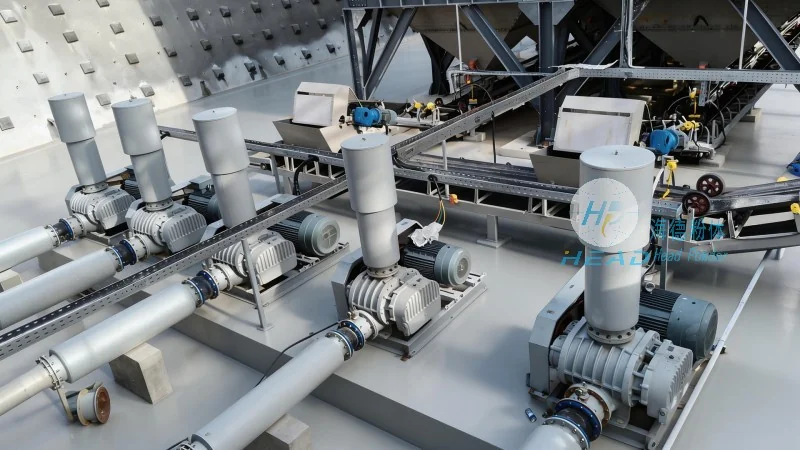
Gravity Conveying Systems
Gravity conveying systems utilize the natural force of gravity to move plastic pellets from a higher elevation to a lower one. These systems are typically designed with sloped chutes or hoppers that allow the pellets to flow smoothly without the need for external power. The design of gravity conveyors is crucial as it directly impacts the speed and uniformity of the material flow. Shandong HeadPowder Engineering Co., Ltd. specializes in customizing gravity conveying solutions that optimize the flow characteristics of different plastic pellet types, ensuring minimal friction and consistent movement. The company’s expertise in material handling engineering enables the development of efficient gravity systems that reduce energy consumption and operational costs.
Mechanical Conveying Systems
Mechanical conveying systems employ mechanical components such as screws, belts, and chains to transport plastic pellets. Screw conveyors, also known as auger conveyors, are widely used for vertical and horizontal transport. They consist of a rotating screw inside a trough, which pushes the pellets forward through the system. This method is particularly effective for handling bulk quantities of plastic pellets and is suitable for both dry and slightly wet materials. Shandong HeadPowder Engineering Co., Ltd. offers advanced screw conveyor designs that incorporate variable speed drives and material handling accessories to enhance performance. The company’s mechanical conveying solutions are engineered to handle various plastic pellet sizes and shapes, ensuring reliable and continuous operation in industrial settings.
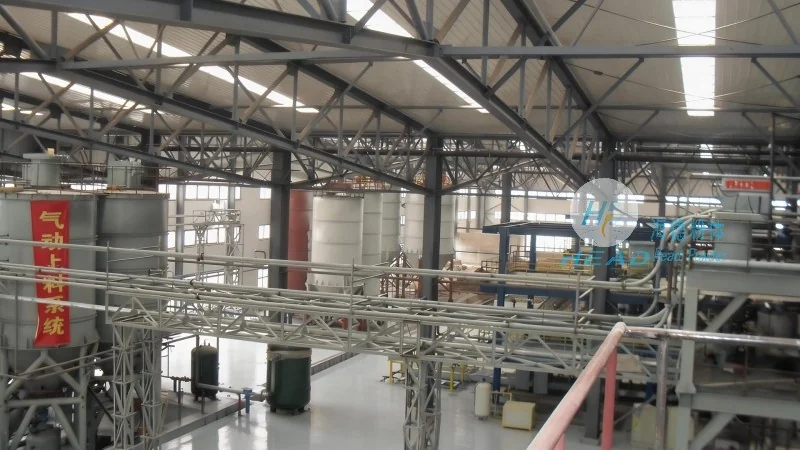
Pneumatic Conveying Systems
Pneumatic conveying systems use air or gas to transport plastic pellets through a pipeline network. These systems are ideal for applications requiring enclosed and dust-free environments, as they prevent contamination and protect the material from external factors. There are two main types of pneumatic conveying: pressure and vacuum systems. Pressure systems force air and pellets through the pipeline, while vacuum systems draw pellets into the system using a vacuum pump. Shandong HeadPowder Engineering Co., Ltd. provides comprehensive pneumatic conveying solutions tailored to specific process requirements. The company’s systems are designed with high-efficiency airlocks and filters to maintain material purity and system efficiency. Pneumatic conveying is particularly advantageous for transporting plastic pellets over long distances or in complex layouts, offering flexibility and adaptability in industrial operations.
Combination Conveying Systems
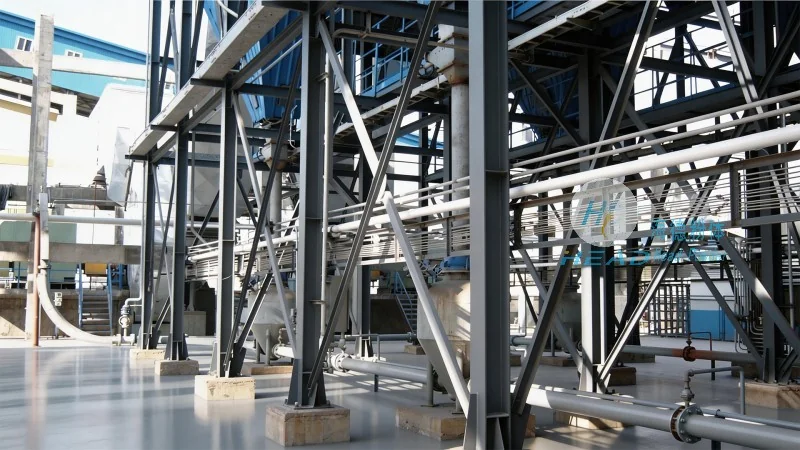
Many industrial applications require a combination of different conveying methods to achieve optimal performance. Combination systems integrate elements of gravity, mechanical, and pneumatic conveying to address specific challenges. For example, a system might use a gravity chute to transport pellets from a hopper to a screw conveyor, which then feeds a pneumatic line for final delivery. Shandong HeadPowder Engineering Co., Ltd. excels in designing and manufacturing integrated conveying systems that combine multiple technologies to meet diverse production needs. The company’s engineering team works closely with clients to analyze process requirements and select the most suitable combination of conveying methods, ensuring seamless material flow and enhanced operational efficiency.
Key Considerations for Selecting Conveying Methods
When selecting a plastic pellet conveying method, several factors must be considered to ensure the best fit for a specific application. These include the type and size of the plastic pellets, the distance and layout of the conveying path, the required flow rate, and the environmental conditions. Shandong HeadPowder Engineering Co., Ltd. provides expert consultation to help clients evaluate these factors and choose the most appropriate conveying system. The company’s focus on material properties and process integration ensures that the selected method not only meets current production demands but also accommodates future expansion and technological advancements. By considering factors such as material density, moisture content, and abrasiveness, the company designs conveying systems that are durable, efficient, and cost-effective.
Conclusion
In conclusion, the methods of plastic pellet conveying vary widely, each offering unique advantages and suitable for different industrial applications. From gravity and mechanical systems to pneumatic and combination solutions, the choice of conveying method depends on specific operational requirements and material characteristics. Shandong HeadPowder Engineering Co., Ltd. plays a vital role in providing advanced conveying technologies that enhance the efficiency and reliability of plastic pellet handling processes. With its expertise in engineering and customization, the company continues to deliver high-quality conveying solutions that meet the evolving needs of the plastic manufacturing industry.

 Shandong Headpowder Engineering Co., Ltd.
 156-6277-7102(Quản lý Trương)
  0531-83386006
  Thành phố Tế Nam, Tỉnh Sơn Đông, Trung Quốc
Điện thoại
WeChatTư vấn
Lên đầu