Với hơn 10 năm kinh nghiệm về vận chuyển khí nén, Headpowder Sơn Đông cung cấp hệ thống, thiết bị và quạt gió toàn chuỗi, đảm nhận các dự án kỹ thuật bột trọn gói trên toàn quốc.
Light calcium carbonate, also known as precipitated calcium carbonate (PCC), is a widely used industrial material in various sectors including plastics, paper, coatings, and rubber. The efficient and reliable transport of this fine powder from production sites to processing or packaging areas is crucial for maintaining production efficiency and product quality. HeadPowder, a leading manufacturer of light calcium carbonate products, emphasizes the importance of selecting the right conveying method to ensure optimal performance in industrial applications. This article explores the common methods used for light calcium carbonate conveying, highlighting the key considerations and applications of each approach.
1. Pneumatic Conveying Systems
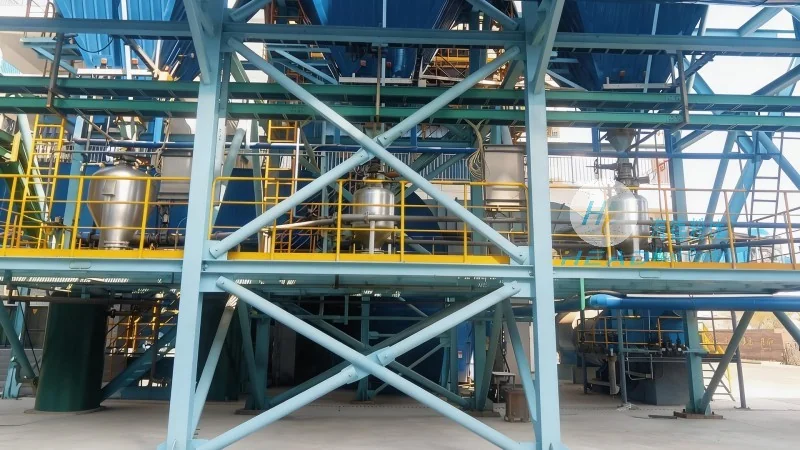
Pneumatic conveying, or air-based transport, is one of the most popular methods for light calcium carbonate handling. This technique involves using compressed air to move the powder through a pipeline system. There are two main types: dilute-phase and dense-phase pneumatic conveying. Dilute-phase systems use low air-to-material ratios, suitable for long-distance and high-capacity transport, while dense-phase systems employ higher air-to-material ratios, ideal for gentle material handling and preventing product degradation. Pneumatic conveying offers advantages such as minimal dust generation, easy integration with existing production lines, and the ability to transport materials over vertical and horizontal distances. However, it requires careful design to ensure proper air flow and prevent blockages, especially with fine powders like light calcium carbonate.
2. Screw Conveyors
Screw conveyors, also known as auger conveyors, are another common method for light calcium carbonate transport. These systems consist of a rotating screw (auger) inside a trough or tube, which moves the material forward through the system. Screw conveyors are particularly effective for horizontal or slightly inclined transport and are well-suited for handling bulk materials with moderate to high flow rates. They are often used in applications where dust control is important, as the enclosed design minimizes particle dispersion. The speed and pitch of the screw can be adjusted to control the material's velocity and flow rate, making screw conveyors versatile for different production requirements. However, they may not be suitable for very fine powders that could cause excessive wear on the screw and trough, and they require regular maintenance to prevent clogging.
3. Belt Conveyors
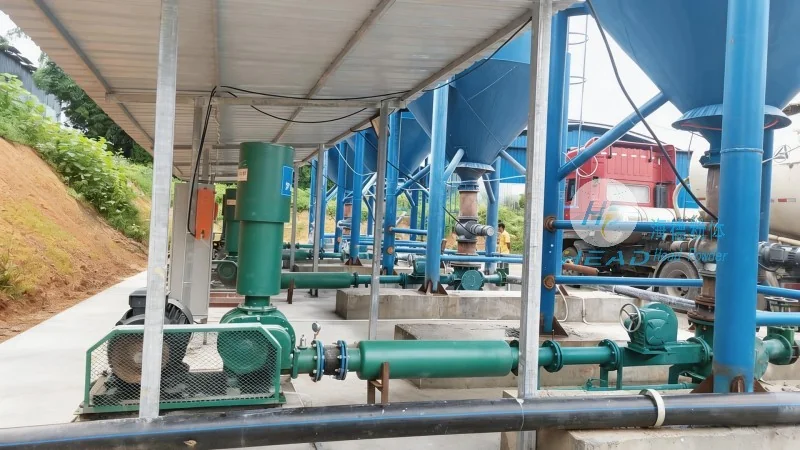
Belt conveyors are widely used in the material handling industry for transporting light calcium carbonate, especially in large-scale production facilities. These systems consist of a continuous belt that moves over rollers or pulleys, carrying the material from one point to another. Belt conveyors are capable of handling high volumes of material over long distances and are suitable for both horizontal and inclined transport. They are particularly effective for applications requiring consistent and continuous material flow, such as in packaging or blending operations. The design of belt conveyors can be customized to accommodate different material characteristics, including the use of special belts with anti-static or dust-proof properties to handle fine powders. However, they may be less efficient for very fine powders due to potential dust accumulation on the belt and the need for regular cleaning and maintenance to prevent material buildup.
4. Hydraulic Conveying
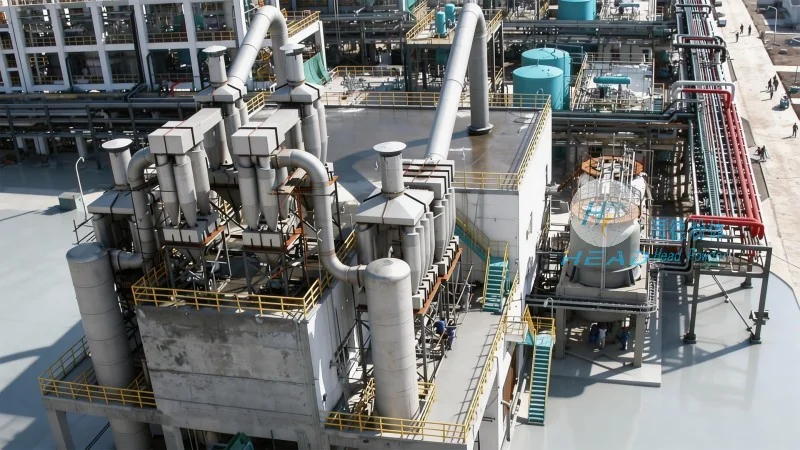
Hydraulic conveying systems use water or other liquids to transport light calcium carbonate, typically in a slurry form. This method is often employed when the material needs to be transported over long distances or through complex routes, such as in mining or large-scale industrial plants. The slurry is pumped through pipelines using hydraulic pressure, and the material is separated from the liquid at the destination using filtration or settling tanks. Hydraulic conveying offers the advantage of being able to handle high volumes of material with minimal energy consumption compared to pneumatic systems. However, it requires additional equipment for slurry preparation and separation, and the system is more complex and expensive to install and maintain. Additionally, the use of water in the system may pose environmental considerations, especially if the material is not fully recovered from the slurry.
5. Vacuum Conveying
Vacuum conveying, or suction conveying, is a method that uses a vacuum to draw light calcium carbonate into a collection system. This technique is often used for short-distance or localized transport, such as moving material from a hopper to a processing machine or from a storage bin to a conveyor. Vacuum conveyors are compact and can be installed in tight spaces, making them suitable for applications with limited floor space. They are also effective for handling fine powders, as the vacuum helps to prevent dust dispersion and maintain material integrity. However, vacuum systems have lower capacity compared to pneumatic or hydraulic systems and may not be suitable for very long-distance transport. The design of vacuum conveyors must consider the material's flow properties and the system's vacuum pressure to ensure efficient and reliable operation.
6. Considerations for Choosing the Right Conveying Method
When selecting a light calcium carbonate conveying method, several factors need to be considered to ensure optimal performance and cost-effectiveness. These include the material's properties (such as particle size, moisture content, and flowability), the distance and direction of transport, the required capacity and speed, and the available space and budget. For example, pneumatic conveying may be preferred for long-distance and high-capacity transport, while screw or belt conveyors are suitable for shorter distances or when dust control is a priority. The choice of system also depends on the specific application, such as whether the material is being transported to a blending plant, a packaging line, or a storage facility. Additionally, the environmental impact and regulatory requirements of the conveying method should be evaluated, especially when dealing with fine powders that may pose dust-related health and safety concerns.

 Shandong Headpowder Engineering Co., Ltd.
 156-6277-7102(Quản lý Trương)
  0531-83386006
  Thành phố Tế Nam, Tỉnh Sơn Đông, Trung Quốc
Điện thoại
WeChatTư vấn
Lên đầu