Với hơn 10 năm kinh nghiệm về vận chuyển khí nén, Headpowder Sơn Đông cung cấp hệ thống, thiết bị và quạt gió toàn chuỗi, đảm nhận các dự án kỹ thuật bột trọn gói trên toàn quốc.
When it comes to the production and processing of lithium battery cathodes, the efficient and reliable conveying of these materials is a critical step that directly impacts overall production efficiency and product quality. As a leading manufacturer in the field, Shandong HeadPowder Engineering Co., Ltd. specializes in providing advanced solutions for cathode material handling, ensuring that each stage of the process is optimized for performance and safety.
Common Conveying Methods for Lithium Battery Cathodes
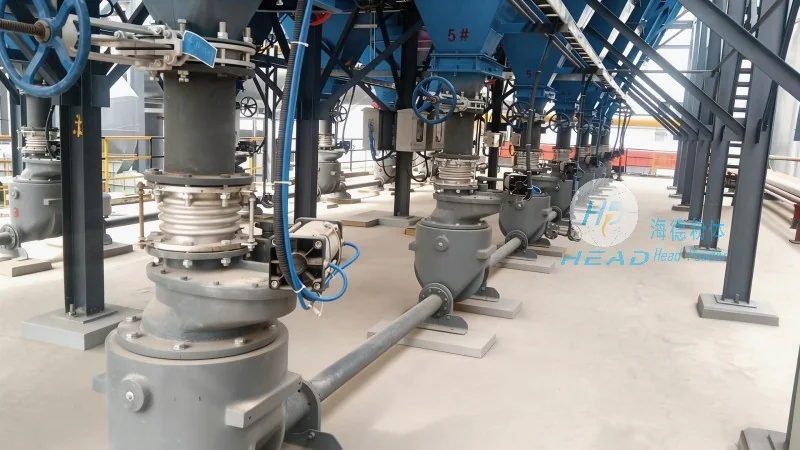
There are several established methods used in the industry for conveying lithium battery cathode materials. Each method has its own advantages and is suitable for different production scenarios. The primary methods include mechanical conveying systems, pneumatic conveying systems, and automated conveyor systems.
Mechanical Conveying Systems
Mechanical conveying systems are among the most traditional and widely used methods for handling cathode powders. These systems typically involve the use of screw conveyors, belt conveyors, and bucket elevators. Screw conveyors are particularly effective for transporting dry powders in a controlled manner, as they can handle materials with varying moisture content and particle sizes. Belt conveyors are ideal for longer transport distances and can accommodate larger volumes of material, making them suitable for bulk material handling in cathode production lines. Bucket elevators are used to lift materials vertically, providing a reliable solution for vertical transport needs in the production facility.
Pneumatic Conveying Systems
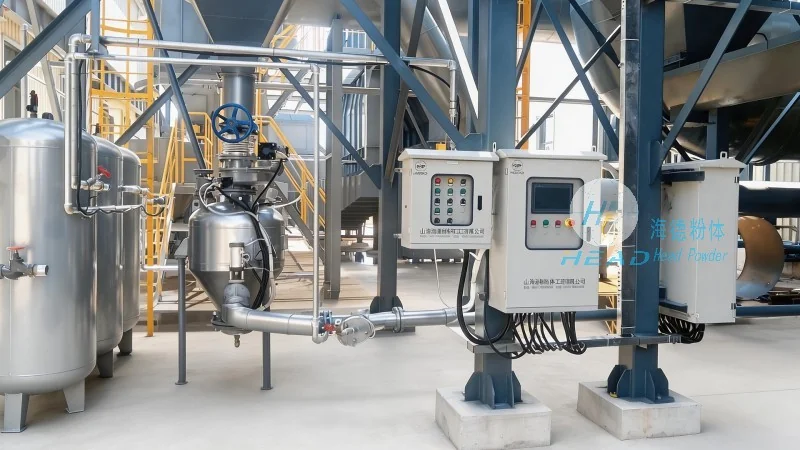
Pneumatic conveying systems utilize air pressure to transport cathode powders through a pipeline network. This method offers several benefits, including the ability to transport materials over long distances with minimal maintenance and the option for enclosed systems that prevent dust contamination. There are two main types of pneumatic conveying: pressure and vacuum systems. Pressure systems use compressed air to push the material through the pipeline, while vacuum systems use suction to draw the material. The choice between these systems depends on factors such as the distance of transport, the material's properties, and the desired level of dust control. Pneumatic conveying is particularly advantageous for handling fine powders and can be integrated with other processing equipment to create a seamless production flow.
Automated Conveyor Systems
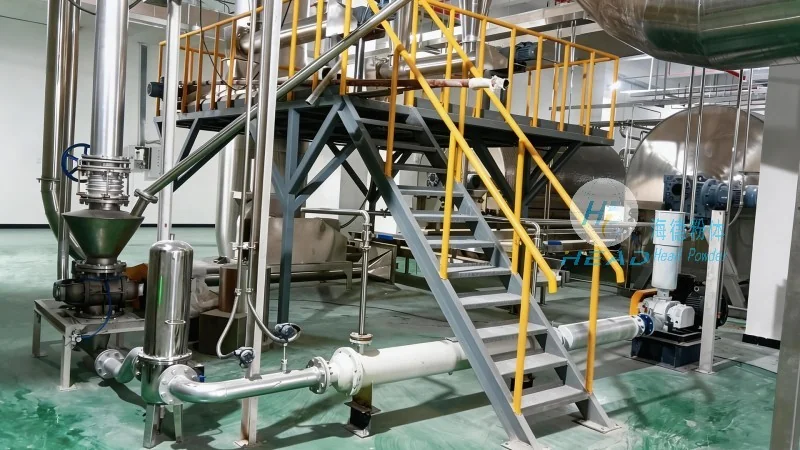
With the advancement of automation technology, automated conveyor systems have become increasingly popular in modern cathode production facilities. These systems combine mechanical and electronic components to provide precise control over material movement. Automated conveyors can be programmed to follow specific routes, adjust speed based on material volume, and integrate with sensors to monitor the status of the material flow. This level of automation not only improves efficiency but also enhances safety by reducing the need for manual handling of potentially hazardous materials. Automated systems are often equipped with features such as real-time monitoring, fault detection, and remote control, allowing operators to manage the conveying process from a central control station.
Factors to Consider When Choosing a Conveying Method
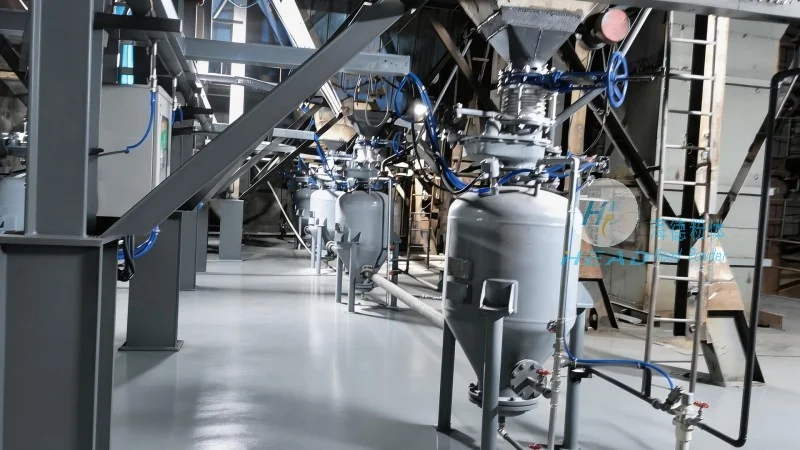
When selecting a conveying method for lithium battery cathodes, several factors must be carefully evaluated to ensure the best fit for the production environment. The first consideration is the material properties, including particle size, moisture content, and flowability. Materials with high moisture content or cohesive properties may require specialized equipment to prevent clogging or agglomeration. The second factor is the production scale and throughput requirements. For high-volume production lines, mechanical or pneumatic systems with high capacity are preferred, while smaller-scale operations may benefit from more compact and flexible solutions. The third consideration is the space constraints and layout of the production facility. Vertical or horizontal space limitations may influence the choice between different types of conveyors, such as vertical elevators versus horizontal belt conveyors. Additionally, the need for dust control and environmental compliance is a critical factor, as cathode powders can be hazardous if not handled properly. Companies like Shandong HeadPowder Engineering Co., Ltd. offer customized solutions that address these factors, ensuring that the chosen conveying method meets both operational and regulatory requirements.
Customized Solutions from Shandong HeadPowder Engineering Co., Ltd.
Shandong HeadPowder Engineering Co., Ltd. is committed to providing tailored conveying solutions that meet the unique needs of each client. With years of experience in the lithium battery industry, the company understands the specific challenges associated with cathode material handling and offers a range of products and services to address them. The company's team of engineers works closely with clients to assess their production requirements, material characteristics, and facility layout, then designs and implements a conveying system that maximizes efficiency and minimizes downtime. Whether a client needs a standard mechanical conveyor or a custom pneumatic system, HeadPowder provides comprehensive support from design and manufacturing to installation and maintenance. The company's focus on quality and innovation ensures that its conveying solutions are not only effective but also durable and reliable, contributing to the long-term success of the client's operations.

 Shandong Headpowder Engineering Co., Ltd.
 156-6277-7102(Quản lý Trương)
  0531-83386006
  Thành phố Tế Nam, Tỉnh Sơn Đông, Trung Quốc
Điện thoại
WeChatTư vấn
Lên đầu