Với hơn 10 năm kinh nghiệm về vận chuyển khí nén, Headpowder Sơn Đông cung cấp hệ thống, thiết bị và quạt gió toàn chuỗi, đảm nhận các dự án kỹ thuật bột trọn gói trên toàn quốc.
Wheat, as a staple agricultural product, requires efficient and reliable transportation methods to ensure its safe and timely movement from farms to processing facilities, storage sites, or distribution centers. The choice of transportation method depends on various factors such as the volume of wheat, the distance to be covered, the physical characteristics of the wheat (e.g., moisture content, bulk density), and the specific operational requirements of the facility. Shandong HeadPowder Engineering Co., Ltd., a leading manufacturer in the field, specializes in providing high-quality material handling solutions tailored to the needs of wheat transportation. With years of experience and expertise, HeadPowder offers a range of conveyor systems and equipment designed to optimize the efficiency and reliability of wheat handling operations.
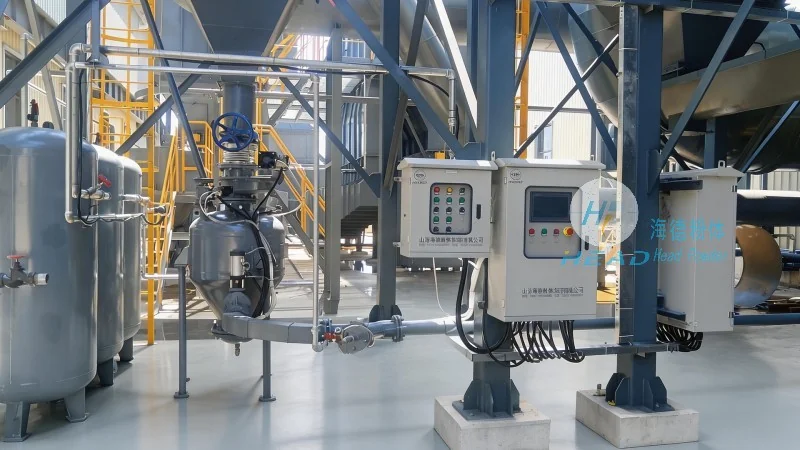
1. Screw Conveyor (Auger Conveyor)
A screw conveyor, also known as an auger conveyor, is a widely used mechanical device for transporting bulk materials like wheat. It consists of a rotating screw (screw flights) inside a cylindrical tube or housing. As the screw rotates, it pushes the wheat forward along the conveyor. Screw conveyors are particularly effective for horizontal or slightly inclined transport, making them suitable for moving wheat from storage bins to processing lines or for feeding it into other equipment. They are known for their simplicity, low maintenance, and ability to handle a wide range of bulk materials with minimal product degradation. The design allows for enclosed transport, which helps in controlling dust and moisture, ensuring the quality of the wheat is maintained during transit.
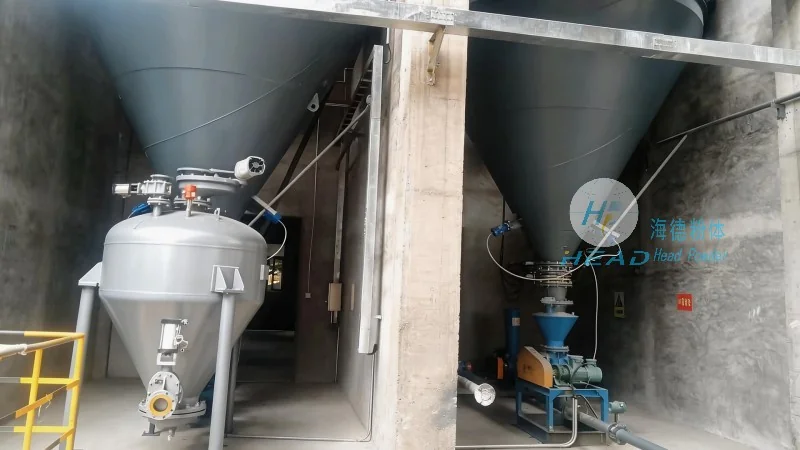
2. Belt Conveyor
A belt conveyor is another common method for wheat transportation, especially in large-scale operations. It uses a continuous belt loop that moves over rollers or pulleys to transport wheat. The belt can be made of various materials, such as rubber or synthetic fabrics, to withstand the abrasive nature of wheat and prevent wear. Belt conveyors are highly efficient for both horizontal and inclined transport, capable of handling large volumes of wheat over long distances. They are often used in combination with other equipment, such as hoppers and elevators, to form a complete material handling system. The advantage of belt conveyors lies in their ability to transport wheat at high speeds with minimal energy consumption, making them cost-effective for bulk handling applications. Additionally, they can be easily integrated with other machinery, such as grain cleaners or dryers, to streamline the processing workflow.
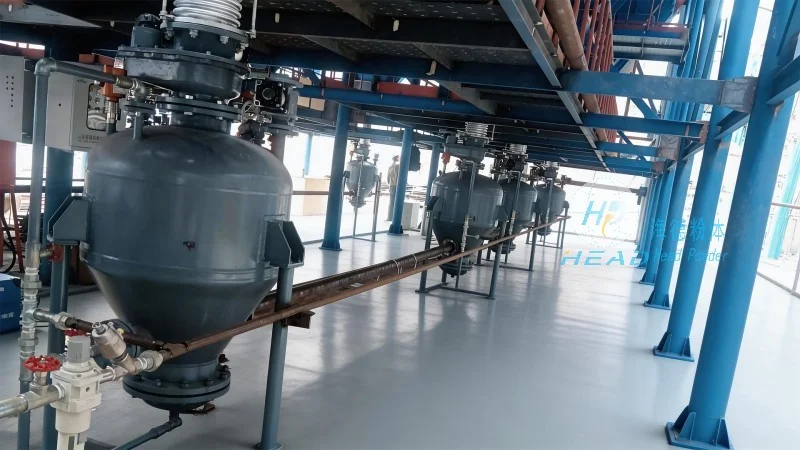
3. Pneumatic (Air) Conveyor System
Pneumatic or air conveyor systems use compressed air to transport wheat through a network of pipes. The wheat is carried by the air flow, which can be directed to different locations within the facility. This method is particularly useful for transporting wheat in vertical or complex layouts, as it eliminates the need for multiple pieces of equipment and reduces the risk of product contamination. Pneumatic conveyors are ideal for applications where dust control is critical, as the enclosed system prevents dust from spreading. They are also effective for moving wheat over long distances with minimal loss of quality. However, they require more energy compared to other methods and may be less suitable for very fine or lightweight particles that could be carried away by the air flow. The system typically includes a hopper, a blower, and a collection bin, all working together to ensure efficient and reliable transport.
4. Bucket Elevator
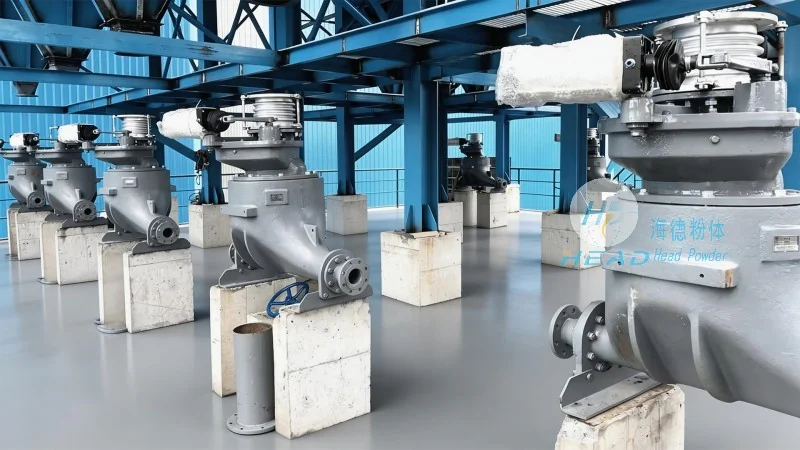
A bucket elevator is a vertical or inclined conveyor that uses buckets attached to a chain or belt to lift and transport wheat. Each bucket is designed to scoop up a portion of the wheat as it moves along the conveyor, and then deposits it at the top or end of the elevator. Bucket elevators are highly efficient for vertical transport, capable of moving wheat at high speeds and large capacities. They are commonly used in grain elevators and processing plants to move wheat from ground level to storage silos or processing equipment. The design allows for continuous and uninterrupted transport, minimizing downtime and increasing productivity. Bucket elevators are also known for their durability and ability to handle a wide range of bulk materials, including wheat with varying moisture contents. They are particularly effective in applications where vertical space is limited, as they can lift wheat to significant heights without the need for additional horizontal space.
5. Chain Conveyor
A chain conveyor uses a series of metal chains with attached buckets or plates to transport wheat. The chains move over rollers or sprockets, carrying the wheat from one point to another. This method is suitable for both horizontal and inclined transport and is often used in combination with other equipment to form a complete material handling system. Chain conveyors are known for their strength and ability to handle heavy loads, making them ideal for transporting large quantities of wheat. They are also relatively simple to maintain and repair, as the components are robust and less prone to wear compared to other systems. The design allows for enclosed transport, which helps in controlling dust and moisture, ensuring the quality of the wheat is maintained during transit. Chain conveyors are commonly used in grain handling facilities where reliability and durability are paramount.

 Shandong Headpowder Engineering Co., Ltd.
 156-6277-7102(Quản lý Trương)
  0531-83386006
  Thành phố Tế Nam, Tỉnh Sơn Đông, Trung Quốc
Điện thoại
WeChatTư vấn
Lên đầu