Với hơn 10 năm kinh nghiệm về vận chuyển khí nén, Headpowder Sơn Đông cung cấp hệ thống, thiết bị và quạt gió toàn chuỗi, đảm nhận các dự án kỹ thuật bột trọn gói trên toàn quốc.
Understanding the various methods for coke particle conveying is crucial for efficient material handling in industrial settings. The choice of conveying method depends on factors such as the size and density of the coke particles, the distance to be covered, and the required throughput. Shandong HeadPowder Engineering Co., Ltd., a leading provider of material handling solutions, offers expertise in selecting and implementing the most suitable conveying systems for coke particle transport.
1. Mechanical Conveying Systems
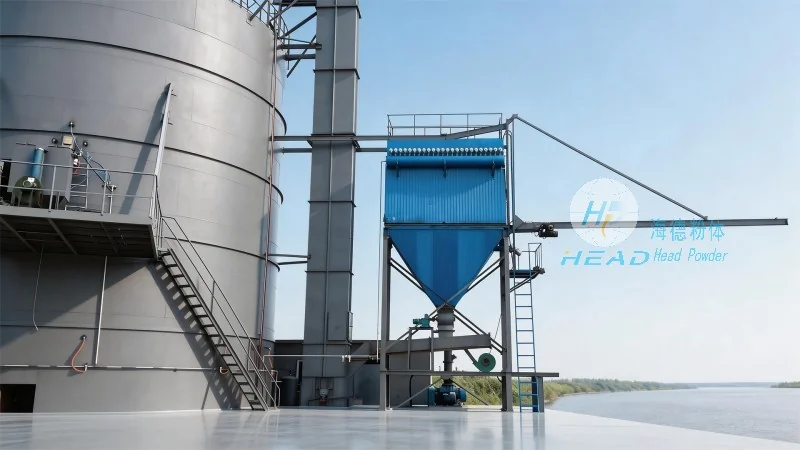
Mechanical conveying systems utilize physical components like belts, screws, and buckets to transport coke particles. One common type is the belt conveyor, which is ideal for transporting large volumes of coke over moderate distances. The belt conveyor consists of a continuous loop of material supported by rollers, with the coke placed on the belt and moved by motor-driven pulleys. This method is particularly effective for horizontal or slightly inclined transport, ensuring a steady flow of material with minimal spillage. Another mechanical option is the screw conveyor, which uses a rotating screw to push coke particles forward. Screw conveyors are well-suited for vertical or inclined transport and can handle a wide range of particle sizes, making them versatile for different industrial applications. The mechanical nature of these systems provides reliable and consistent performance, though they may require regular maintenance to ensure optimal operation.
2. Pneumatic Conveying Systems
Pneumatic conveying systems employ air or other gases to transport coke particles through a pipeline. This method is highly effective for transporting fine or dusty coke particles, as it minimizes the risk of material degradation and contamination. There are two main types of pneumatic conveying: dilute-phase and dense-phase. Dilute-phase systems use low air velocity to move particles in a cloud-like state, suitable for short to medium distances. Dense-phase systems, on the other hand, use higher air pressure and lower velocity to transport particles in a more concentrated state, ideal for longer distances and higher material loads. Pneumatic conveyors are often preferred in environments where dust control is critical, as they can be equipped with filtration systems to capture and recycle the air. However, they may require more energy compared to mechanical systems and can be more complex to install and maintain.
3. Hydraulic Conveying Systems
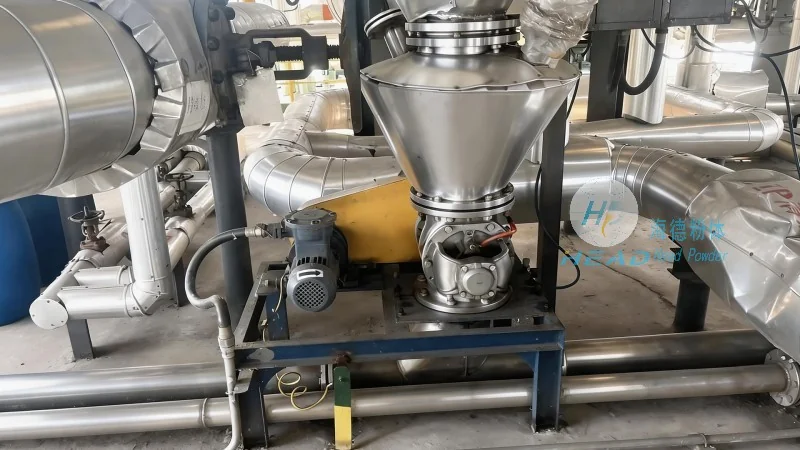
Hydraulic conveying systems use water or other liquids to transport coke particles, typically in a slurry form. This method is commonly used in applications where the coke particles are mixed with water to create a slurry, which is then pumped through pipelines. Hydraulic conveyors are effective for transporting large volumes of coke over long distances, especially in mining and processing facilities. The slurry can be pumped using centrifugal or positive displacement pumps, ensuring a consistent flow rate. However, hydraulic systems require careful management of water usage and may need additional equipment for dewatering the coke after transport. They are particularly suitable for applications where the coke particles are wet or where the environment demands a non-dusty transport method.
4. Air-Liquid Conveying Systems
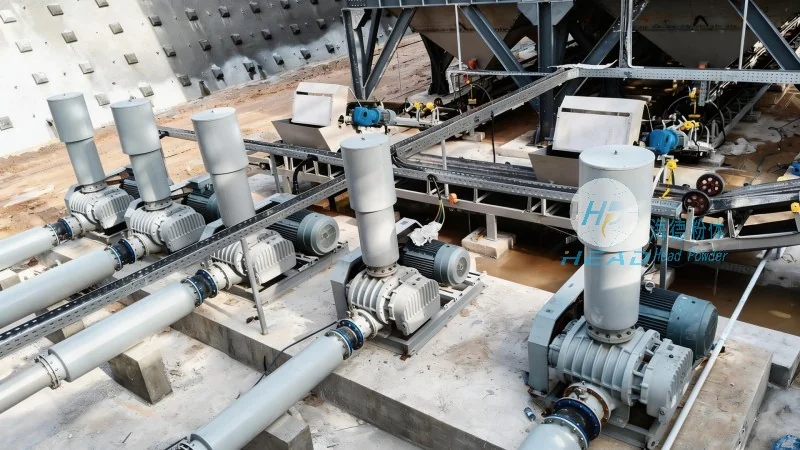
Air-liquid conveying systems combine elements of pneumatic and hydraulic methods, using a mixture of air and liquid to transport coke particles. This approach is beneficial for transporting fine coke particles over medium to long distances while maintaining low dust levels. The system typically involves injecting air into a liquid stream, creating a two-phase flow that carries the particles. Air-liquid conveyors offer advantages such as reduced energy consumption compared to pure pneumatic systems and improved material handling compared to hydraulic systems. They are often used in industries where both dust control and efficient transport are required, such as in steel production and chemical processing.
5. Specialized Conveying Solutions
In addition to the standard mechanical, pneumatic, and hydraulic systems, specialized conveying solutions are available for unique coke particle handling requirements. For example, bucket elevators are used for vertical transport of coke particles in high-rise facilities, while vibratory conveyors utilize vibration to move particles along a trough. These specialized systems are designed to address specific challenges, such as handling sticky or abrasive coke particles, or transporting materials in confined spaces. The choice of specialized system depends on the specific characteristics of the coke and the operational constraints of the facility.
When selecting a coke particle conveying method, it is essential to consider the specific needs of the application, including the particle size distribution, moisture content, and the distance to be covered. Each method has its advantages and limitations, and the optimal choice balances efficiency, cost, and operational requirements. By understanding the technical aspects of each conveying system, industrial operators can make informed decisions to ensure reliable and effective material handling in their processes.

 Shandong Headpowder Engineering Co., Ltd.
 156-6277-7102(Quản lý Trương)
  0531-83386006
  Thành phố Tế Nam, Tỉnh Sơn Đông, Trung Quốc
Điện thoại
WeChatTư vấn
Lên đầu