Với hơn 10 năm kinh nghiệm về vận chuyển khí nén, Headpowder Sơn Đông cung cấp hệ thống, thiết bị và quạt gió toàn chuỗi, đảm nhận các dự án kỹ thuật bột trọn gói trên toàn quốc.
Heptahydrate magnesium sulfate, commonly known as Epsom salt, is a widely used chemical compound in various industrial and agricultural applications. The efficient and safe transportation of this substance is crucial for ensuring its quality and preventing any potential hazards during transit. This article explores the primary methods used for transporting heptahydrate magnesium sulfate, focusing on the practical approaches adopted by industry professionals, with insights from Shandong HeadPowder Engineering Co., Ltd., a leading provider of chemical solutions.
Understanding Heptahydrate Magnesium Sulfate and Its Transport Requirements
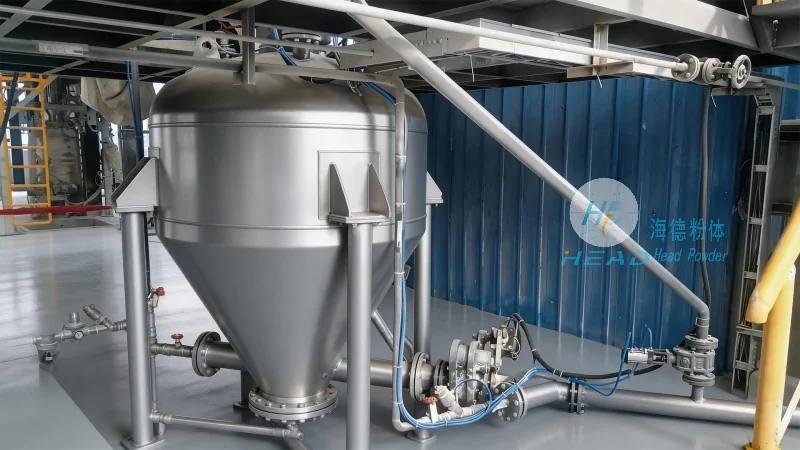
Before delving into the transportation methods, it is essential to understand the properties of heptahydrate magnesium sulfate. This compound is a white crystalline powder with a molecular formula of MgSO₄·7H₂O. It is hygroscopic, meaning it can absorb moisture from the air, which can affect its physical properties and handling during transport. Additionally, it is non-toxic but can cause skin and eye irritation if not handled with proper protective equipment. These characteristics influence the choice of packaging and transportation equipment to maintain the product's integrity and ensure the safety of personnel involved in the process.
Common Packaging Options for Heptahydrate Magnesium Sulfate
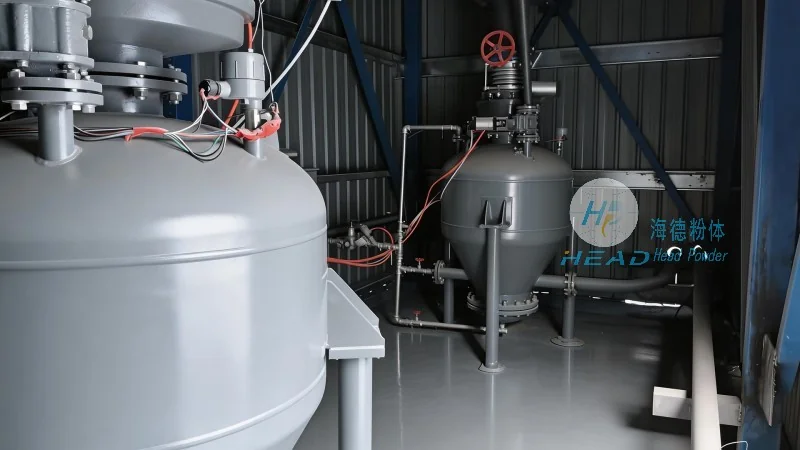
The first step in the transportation process is proper packaging. For heptahydrate magnesium sulfate, several packaging options are commonly used to protect the product from moisture and physical damage. One of the most common is the use of sealed plastic bags or polyethylene liners inside metal or plastic drums. These containers are designed to be airtight and moisture-resistant, which helps maintain the product's quality during transit. Another option is the use of multi-layered packaging, such as a primary inner bag and an outer corrugated cardboard box, which provides additional protection against punctures and impacts. The choice of packaging often depends on the volume of the shipment and the mode of transport, with larger quantities typically requiring bulk containers like IBC tanks or bulk bags (flexitanks).
Transportation Methods: From Small-Scale to Bulk Shipments
Heptahydrate magnesium sulfate can be transported using various modes, ranging from small-scale deliveries to large bulk shipments. For smaller quantities, such as those used in laboratories or small-scale industrial applications, the product is often transported in sealed containers via road transport. This method allows for direct delivery to the customer's location, minimizing handling and reducing the risk of contamination. For medium to large volumes, rail transport is a common option, especially when shipping from manufacturing facilities to regional distribution centers. Rail transport is efficient for long distances and can accommodate larger quantities of the product, making it suitable for bulk orders.
Bulk Transportation: IBC Tanks and Flexitanks
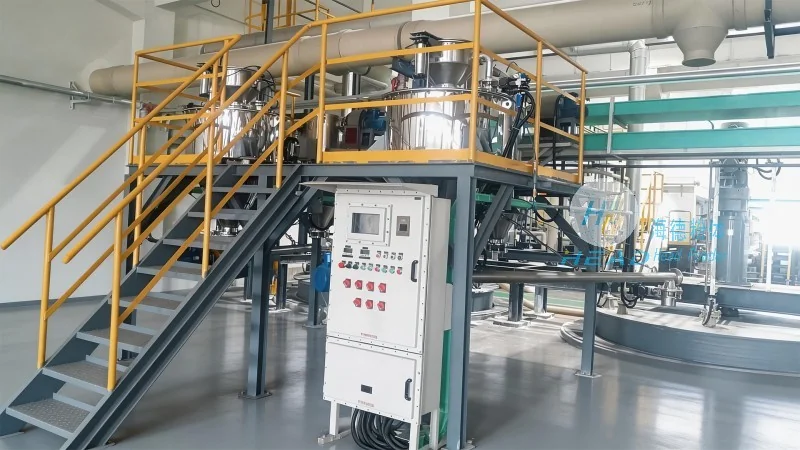
For large-scale industrial applications, bulk transportation methods are preferred to optimize cost and efficiency. One of the primary methods is the use of Intermediate Bulk Containers (IBCs), also known as tote tanks. These are large, reusable containers that can hold significant volumes of heptahydrate magnesium sulfate. IBCs are typically made of plastic or metal and are equipped with a spout or valve for easy dispensing. They are designed to be transported via road or rail and are often used in the chemical and agricultural sectors for their durability and ability to maintain product quality. Another bulk transport option is the use of flexitanks, which are flexible, collapsible containers that can be placed inside a standard shipping container. Flexitanks are ideal for transporting liquids or powders in bulk, as they can be filled and emptied easily, reducing handling time and labor costs.
Special Considerations for International and Cross-Border Transport
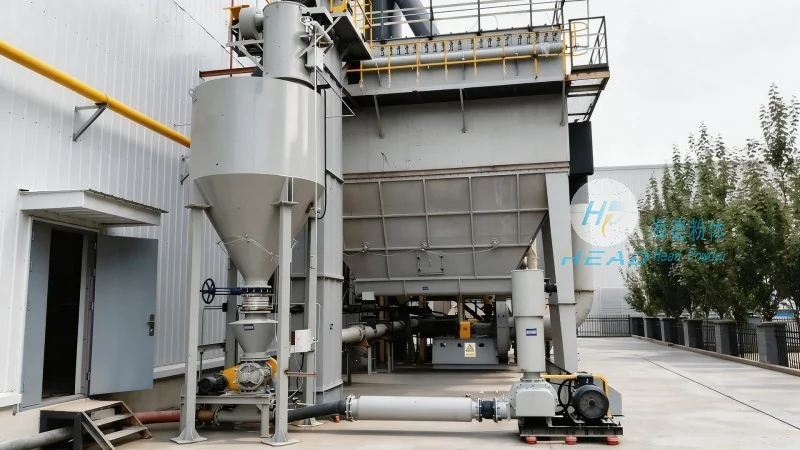
When transporting heptahydrate magnesium sulfate internationally, additional considerations come into play. Compliance with international shipping regulations, such as those set by the International Maritime Organization (IMO) and the International Air Transport Association (IATA), is crucial. The product is classified as a non-hazardous material under most regulations, but proper labeling and documentation are still required to ensure smooth customs clearance. Temperature control may also be necessary, especially during long-distance sea transport, to prevent the product from dehydrating or changing its physical state. Additionally, the use of specialized containers, such as those with temperature-controlled interiors, may be required for shipments to specific regions or for products with strict storage requirements.
Ensuring Safety and Compliance During Transport
Regardless of the transportation method used, safety and compliance are paramount. Handling heptahydrate magnesium sulfate requires appropriate personal protective equipment (PPE), including gloves, safety goggles, and protective clothing, to prevent skin and eye irritation. During loading and unloading, proper procedures should be followed to minimize dust generation and prevent accidental spills. Regular inspections of packaging and containers are also essential to ensure they remain intact and do not pose a risk of leakage or contamination. Compliance with local and international regulations regarding the transport of chemicals is also necessary to avoid legal issues and ensure the safety of all parties involved.
Conclusion: Choosing the Right Transportation Method
In conclusion, the transportation of heptahydrate magnesium sulfate involves careful consideration of packaging, mode of transport, and safety measures. The choice of method depends on the volume of the shipment, the destination, and the specific requirements of the end-user. For small-scale applications, road transport in sealed containers is often sufficient. For larger volumes, rail or bulk transport methods like IBC tanks and flexitanks offer cost-effective and efficient solutions. By adhering to proper packaging, handling, and compliance protocols, companies can ensure the safe and efficient delivery of heptahydrate magnesium sulfate to their customers. This approach not only maintains the product's quality but also builds trust with clients and ensures regulatory compliance, which is vital for long-term success in the industry.

 Shandong Headpowder Engineering Co., Ltd.
 156-6277-7102(Quản lý Trương)
  0531-83386006
  Thành phố Tế Nam, Tỉnh Sơn Đông, Trung Quốc
Điện thoại
WeChatTư vấn
Lên đầu