Với hơn 10 năm kinh nghiệm về vận chuyển khí nén, Headpowder Sơn Đông cung cấp hệ thống, thiết bị và quạt gió toàn chuỗi, đảm nhận các dự án kỹ thuật bột trọn gói trên toàn quốc.
When it comes to transporting polyvinyl chloride (PVC), selecting the right conveying method is crucial for efficiency, cost-effectiveness, and operational safety. This article provides a detailed comparison of common PVC conveying methods, highlighting their advantages and disadvantages to help industrial professionals make informed decisions. The information is presented by Shandong HeadPowder Engineering Co., Ltd., a leading provider of material handling solutions based in China.
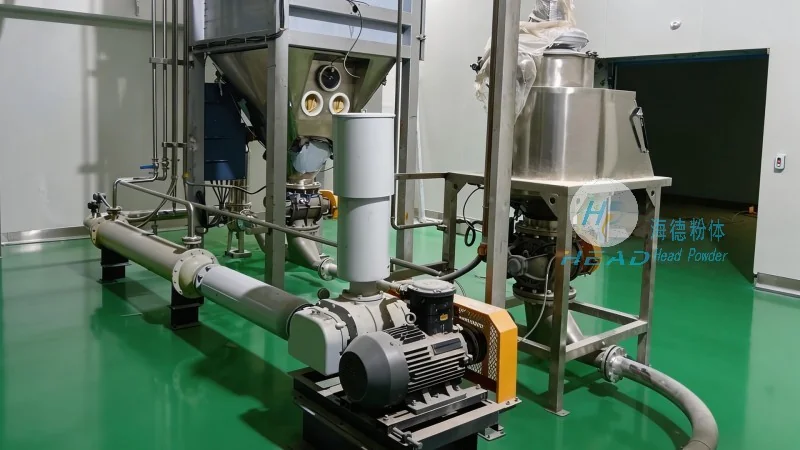
Overview of PVC Conveying Methods
PVC, a widely used thermoplastic polymer, is often transported in various forms such as pellets, powders, or granules. The choice of conveying method depends on factors like material properties, plant layout, budget, and production scale. Common methods include gravity flow, mechanical conveyors, and pneumatic systems. Each method has its own set of benefits and limitations, which are discussed below.
1. Gravity Conveying Systems
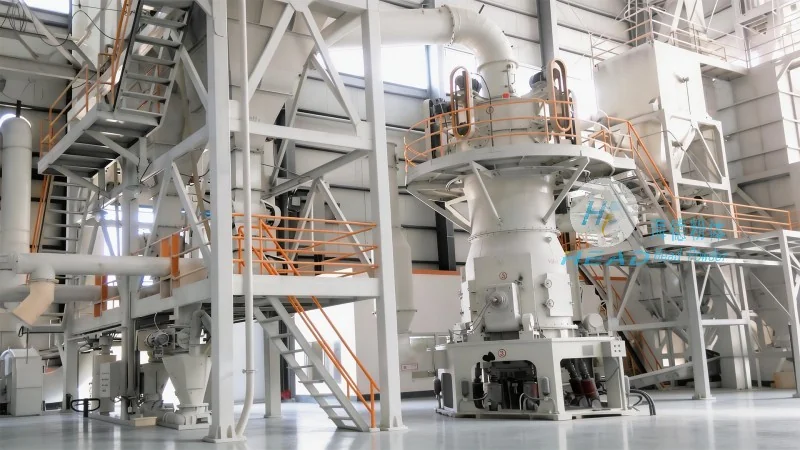
Gravity conveying relies on the natural force of gravity to move PVC materials from a higher elevation to a lower one. This method is simple, low-cost, and requires minimal maintenance. It is ideal for short horizontal or inclined distances where the material can flow freely without excessive friction. However, it is limited by the need for a suitable slope and is not suitable for vertical lifts or long horizontal runs. The main advantage is its low energy consumption and lack of moving parts, which reduces operational costs and maintenance needs. The primary disadvantage is the requirement for a specific layout and the inability to handle materials with high moisture content or sticky properties, as these can cause blockages or uneven flow.
2. Mechanical Conveyors
Mechanical conveyors use mechanical components to transport PVC. The most common types include belt conveyors, screw conveyors, and chain conveyors. Belt conveyors are versatile and can handle a wide range of materials, including PVC pellets and powders. They are suitable for both horizontal and inclined transport and can cover long distances. However, they require regular maintenance to ensure the belt remains in good condition and to prevent material spillage. Screw conveyors, also known as auger conveyors, are excellent for handling bulk materials like PVC granules. They are compact and can be installed in confined spaces. The main advantage is their ability to handle materials with varying moisture content and the ability to mix or blend materials during transport. The disadvantage is that they can cause friction and heat buildup, which may affect the quality of PVC, especially if the material is heat-sensitive. Chain conveyors are robust and can handle heavy loads, making them suitable for industrial applications. They are durable and can operate in harsh environments. However, they are more expensive to install and maintain compared to other mechanical options.
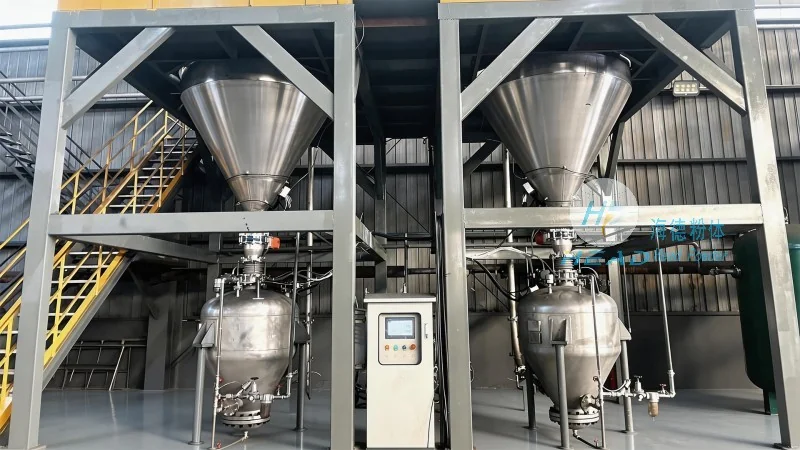
3. Pneumatic Conveying Systems
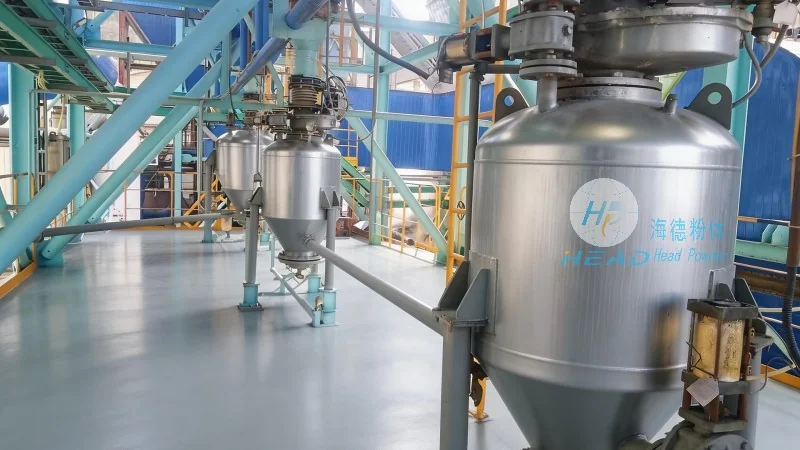
Pneumatic conveying uses air or other gases to transport PVC materials through a pipeline. This method is highly efficient for long-distance and vertical transport and can handle fine powders and granules. It is ideal for applications where dust control is a priority, as the material is contained within the pipeline. The main advantage is its ability to transport materials in a closed system, reducing dust emissions and improving safety. It also allows for precise control over the flow rate and direction of the material. The primary disadvantage is the high energy consumption, as it requires powerful blowers or compressors to move the material. Additionally, it may not be suitable for materials with high moisture content or those that are prone to caking, as these can cause blockages in the pipeline.
4. Comparison and Selection Criteria
When choosing a PVC conveying method, several factors should be considered. The first is the material's properties, such as its density, moisture content, and tendency to stick or clog. The second is the distance and elevation changes required for transport. The third is the budget and maintenance requirements. Gravity systems are best for short, simple layouts with low material costs. Mechanical conveyors are suitable for medium to large-scale operations where reliability and versatility are needed. Pneumatic systems are ideal for long-distance or vertical transport, especially in applications where dust control is critical. Ultimately, the best method depends on the specific needs of the operation and the trade-offs between cost, efficiency, and performance.
Conclusion
Choosing the right PVC conveying method is essential for optimizing production processes and ensuring safety. By understanding the advantages and disadvantages of each method, industrial professionals can select the most appropriate solution for their needs. Shandong HeadPowder Engineering Co., Ltd. offers a range of material handling solutions tailored to the unique requirements of PVC processing plants, helping clients achieve efficient and cost-effective material transport. With years of experience in the industry, the company provides expert advice and customized solutions to meet the diverse needs of its clients.

 Shandong Headpowder Engineering Co., Ltd.
 156-6277-7102(Quản lý Trương)
  0531-83386006
  Thành phố Tế Nam, Tỉnh Sơn Đông, Trung Quốc
Điện thoại
WeChatTư vấn
Lên đầu