Với hơn 10 năm kinh nghiệm về vận chuyển khí nén, Headpowder Sơn Đông cung cấp hệ thống, thiết bị và quạt gió toàn chuỗi, đảm nhận các dự án kỹ thuật bột trọn gói trên toàn quốc.
Gypsum calcination, a crucial process in the production of building materials and industrial products, requires efficient and reliable transport methods to move the calcined gypsum from processing units to storage or further processing stages. The choice of transport method significantly impacts operational efficiency, material quality, and overall production costs. This article explores the various transport options available for gypsum calcination, with a particular focus on the advantages and features of pneumatic conveying systems.
Common Transport Methods for Gypsum Calcination
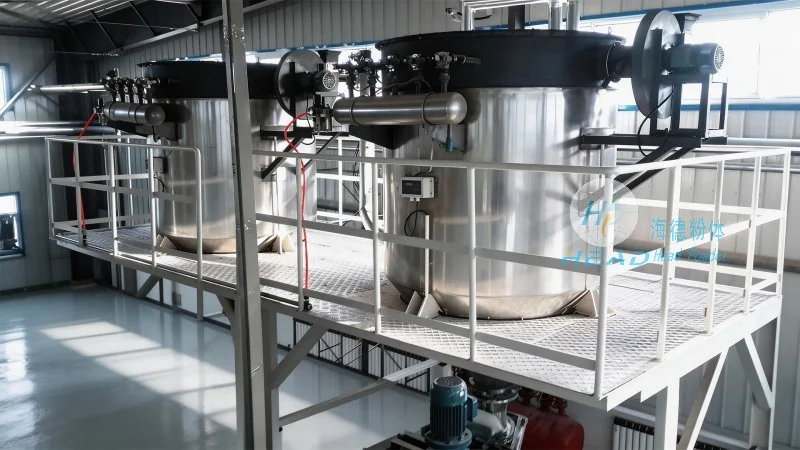
Traditional transport methods for gypsum calcination include belt conveyors, screw conveyors, and bucket elevators. These mechanical systems are widely used due to their simplicity and ability to handle bulk materials. However, they often face challenges such as material buildup, wear and tear on components, and limited flexibility in layout. Belt conveyors, for instance, are effective for horizontal and slight incline transport but may struggle with vertical lifts or complex routing. Screw conveyors, while suitable for enclosed environments, can experience issues with material bridging and blockages, especially with fine or cohesive gypsum particles. Bucket elevators provide vertical transport capabilities but require regular maintenance and can be prone to downtime due to mechanical failures.
Pneumatic Conveying: A Modern Solution for Gypsum Calcination
Pneumatic conveying, also known as air conveying, has emerged as a preferred method for transporting gypsum calcination products. This technology uses a combination of air pressure and vacuum to move materials through a pipeline system. The system typically consists of a material feed hopper, a conveyor line, and a discharge point, with air being supplied by a blower or vacuum pump. Pneumatic conveying offers several advantages over traditional mechanical systems, making it an ideal choice for many industrial applications.
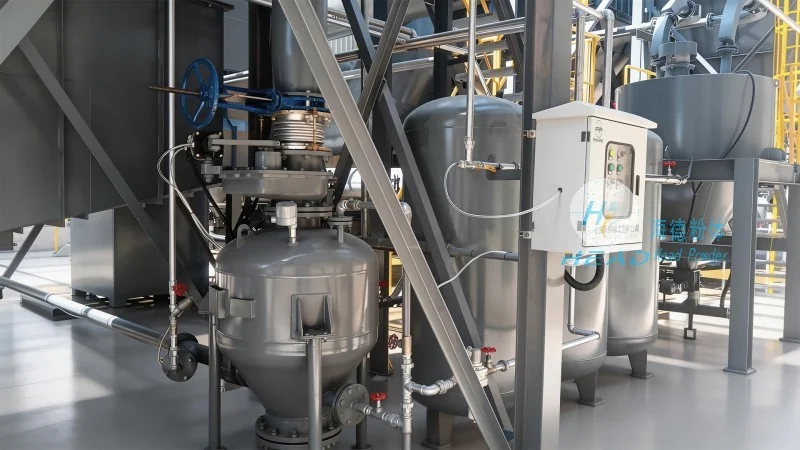
Advantages of Gypsum Calcination Pneumatic Conveying
One of the primary advantages of pneumatic conveying for gypsum calcination is its ability to handle fine and cohesive materials without the need for additional conditioning. Unlike mechanical conveyors that may cause material degradation or segregation, pneumatic systems maintain the integrity of the gypsum particles, ensuring consistent quality in the final product. This is particularly important in applications where the gypsum is used for plaster, drywall, or other construction materials, as any change in particle size or composition can affect the performance of the end product.
Another key advantage is the flexibility and scalability of pneumatic conveying systems. They can be easily integrated into existing production lines or expanded to accommodate increased production volumes without major modifications. The system can transport materials over long distances and through complex layouts, including vertical lifts and horizontal turns, with minimal space requirements. This flexibility is especially beneficial in facilities where space is limited or where the layout needs to be adjusted over time.
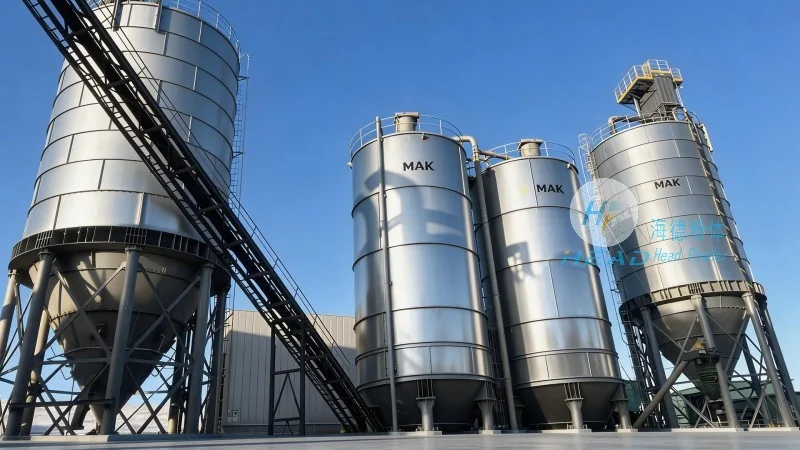
Key Features of Gypsum Calcination Pneumatic Conveying Systems
Modern pneumatic conveying systems for gypsum calcination are equipped with several features that enhance their performance and reliability. One of the most important features is the use of positive pressure or negative pressure (vacuum) to move materials. Positive pressure systems use air to push the material through the pipeline, while negative pressure systems use suction to draw the material. The choice between the two depends on the specific application, material characteristics, and system layout. For gypsum calcination, positive pressure systems are often preferred as they can handle higher material loads and are less prone to blockages.
Material feeders are another critical component of pneumatic conveying systems. These devices ensure a consistent and controlled flow of gypsum into the conveyor line, preventing surges or drops that could affect the system's efficiency. Common types of feeders include rotary valves, star feeders, and screw feeders, each designed to handle different material properties and flow rates. The selection of the appropriate feeder is crucial for maintaining the system's performance and preventing material buildup or blockages.
Filtering and dust control systems are essential for maintaining a clean and safe working environment in pneumatic conveying applications. Gypsum calcination products are often fine and powdery, which can create significant dust during transport. Proper filtration systems, such as cyclone separators and bag filters, are used to capture and remove dust from the air, ensuring compliance with environmental regulations and protecting equipment from dust accumulation. These systems also help to maintain the quality of the gypsum by preventing contamination from external sources.
Applications of Gypsum Calcination Pneumatic Conveying
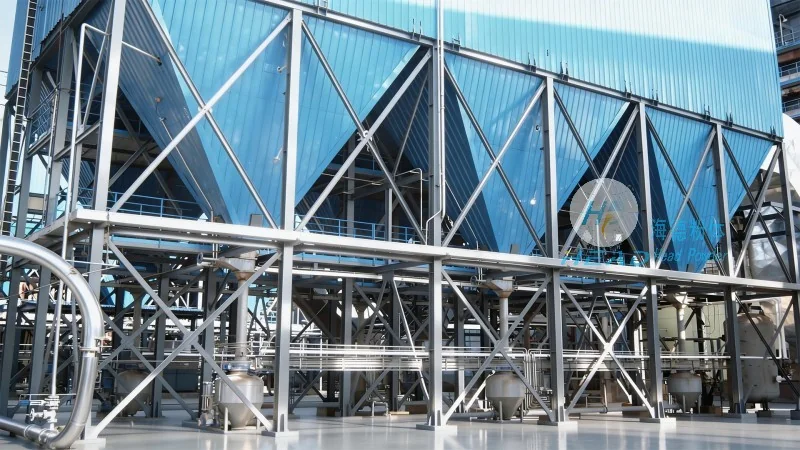
Pneumatic conveying systems are widely used in various applications involving gypsum calcination. In the production of plaster and drywall, for example, the calcined gypsum is transported from the calcination kiln to the mixing and packaging units. The system ensures that the material is delivered in a controlled manner, maintaining the desired particle size distribution and preventing any segregation that could affect the final product's performance. In industrial applications, such as the manufacturing of gypsum boards or cement additives, pneumatic conveying is used to transport the calcined gypsum to the processing units, where it is mixed with other ingredients to form the final product.
Conclusion
Gypsum calcination transport methods play a vital role in the efficiency and quality of industrial production. While traditional mechanical systems have been used for decades, pneumatic conveying has emerged as a superior alternative due to its advantages in material handling, flexibility, and reliability. The use of modern pneumatic conveying systems, equipped with advanced features such as efficient feeders and robust filtration systems, ensures that gypsum calcination products are transported safely and effectively. As the demand for high-quality gypsum products continues to grow, the adoption of advanced transport technologies like pneumatic conveying will remain essential for meeting production requirements and maintaining competitive edge.

 Shandong Headpowder Engineering Co., Ltd.
 156-6277-7102(Quản lý Trương)
  0531-83386006
  Thành phố Tế Nam, Tỉnh Sơn Đông, Trung Quốc
Điện thoại
WeChatTư vấn
Lên đầu