Với hơn 10 năm kinh nghiệm về vận chuyển khí nén, Headpowder Sơn Đông cung cấp hệ thống, thiết bị và quạt gió toàn chuỗi, đảm nhận các dự án kỹ thuật bột trọn gói trên toàn quốc.
When it comes to the transportation of Lithium Iron Phosphate (LFP) batteries, selecting the right method is crucial for ensuring efficiency, safety, and cost-effectiveness. LFP, known for its stability and long cycle life, is widely used in electric vehicles, energy storage systems, and other applications. However, the diverse nature of LFP battery production and handling requires careful consideration of transportation logistics. This article provides a detailed comparison of common LFP transportation methods, highlighting their advantages and disadvantages to help stakeholders make informed decisions.
Overview of LFP and Its Transportation Challenges
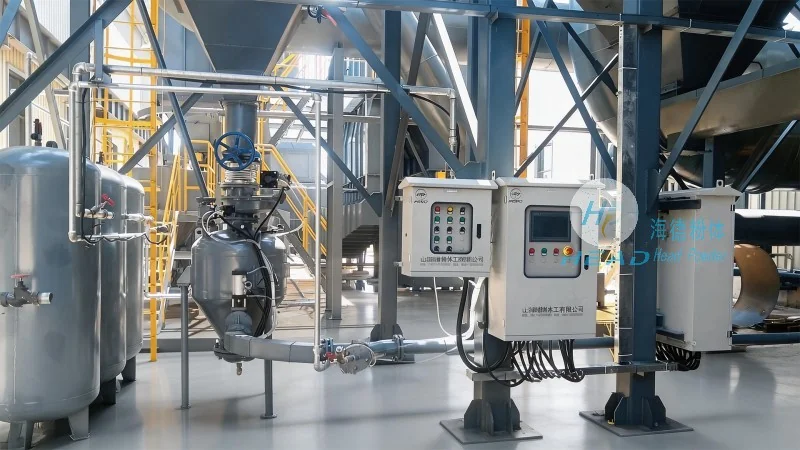
Lithium Iron Phosphate (LFP) is a type of lithium-ion battery chemistry characterized by its high safety, long lifespan, and environmental friendliness. These batteries are typically produced in large quantities and need to be transported from manufacturing facilities to various end-users. The transportation process involves several key considerations, including the battery's physical properties, weight, size, and the need for secure handling to prevent damage or safety hazards. Understanding these challenges is essential before evaluating different transportation methods.
Company Introduction: Shandong HeadPowder Engineering Co., Ltd.
Shandong HeadPowder Engineering Co., Ltd., commonly known as HeadPowder, is a leading manufacturer and supplier of high-quality powder materials and processing solutions. With a strong focus on innovation and customer satisfaction, HeadPowder specializes in the production of advanced battery materials, including those used in LFP battery manufacturing. The company's commitment to quality and reliability makes it a trusted partner for businesses in the battery and energy storage industries. HeadPowder's facilities are located in Shandong, China, where it leverages advanced technology and skilled workforce to deliver superior products and services.
Common LFP Transportation Methods: A Detailed Comparison
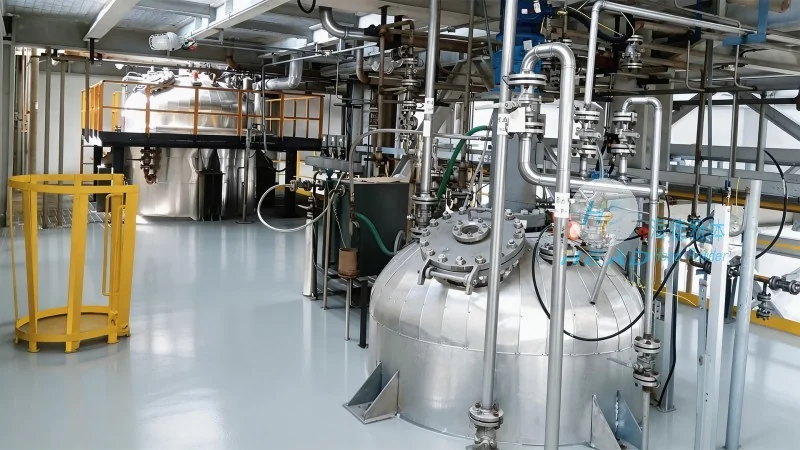
Several methods are commonly used to transport LFP batteries, each with its own set of advantages and disadvantages. The choice of method depends on factors such as the scale of transportation, the distance involved, and the specific requirements of the end-user. Below is a breakdown of the most prevalent transportation methods:
1. Road Transportation (Trucks and Vans)
Road transportation is one of the most common methods for moving LFP batteries, especially for short to medium distances. This method involves using specialized trucks or vans equipped with secure packaging and handling equipment. The advantages of road transportation include flexibility, as it can reach a wide range of locations, including remote areas. It also allows for real-time monitoring of the shipment, ensuring that the batteries are handled properly throughout the journey. However, road transportation has some limitations. It is generally less efficient for long distances compared to other methods, and it may be subject to traffic delays and weather conditions. Additionally, the cost of fuel and driver labor can be significant, especially for large-scale shipments.
2. Rail Transportation (Freight Trains)
Rail transportation is an efficient and cost-effective option for moving large quantities of LFP batteries over long distances. Freight trains can carry multiple containers or specialized railcars designed to transport battery packs safely. The primary advantage of rail is its ability to handle high volumes with minimal environmental impact, as it reduces road traffic and associated emissions. Rail transportation is also more reliable for long distances, as it is less affected by weather or traffic conditions. However, rail has its drawbacks. It requires access to rail infrastructure, which may not be available in all regions. Additionally, the transit time can be longer compared to road transportation, and the flexibility in terms of delivery locations is limited to rail stations.
3. Sea Transportation (Container Shipping)
For international or long-distance domestic shipments, sea transportation is often the most economical choice. LFP batteries are typically packaged in containers and shipped via cargo ships. The main advantage of sea transportation is its low cost per unit, making it ideal for large-scale, bulk shipments. It is also capable of transporting a vast number of batteries at once, reducing the overall transportation cost. However, sea transportation has significant drawbacks. The transit time is much longer compared to road or rail, which can delay the delivery of batteries to end-users. Additionally, there are risks associated with sea freight, such as damage from rough seas or delays due to port congestion. Furthermore, the packaging must meet strict international standards to ensure the batteries are secure during the voyage.
4. Air Transportation (Airplanes and Cargo Planes)
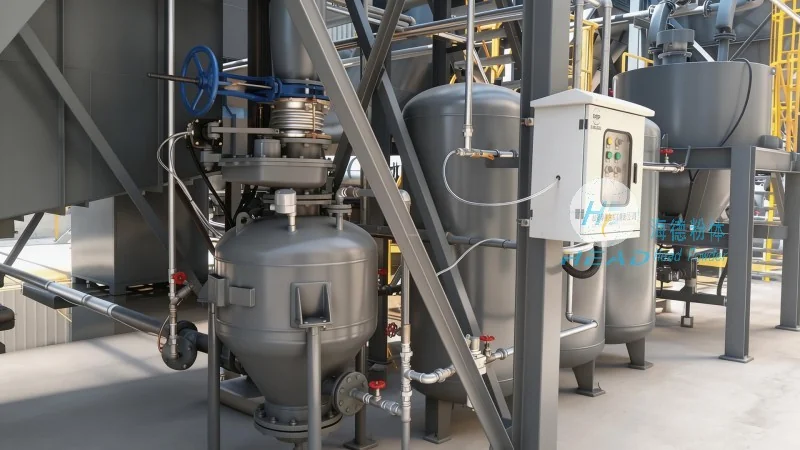
Air transportation is the fastest method for moving LFP batteries, particularly for urgent or time-sensitive deliveries. This method involves using cargo planes or specialized aircraft to transport the batteries. The primary advantage of air transportation is its speed, which is crucial for meeting tight deadlines or delivering to remote locations. It is also suitable for small-scale or high-value shipments where speed is more important than cost. However, air transportation is the most expensive option among the four methods. The high cost of fuel and airfare makes it less feasible for large-scale or bulk shipments. Additionally, there are strict regulations and safety requirements for air transport of lithium batteries, which must be carefully followed to avoid penalties or delays.
5. Specialized Handling and Packaging Solutions
Regardless of the transportation method chosen, specialized handling and packaging are essential for ensuring the safety and integrity of LFP batteries. This includes using protective materials, such as foam or shock-absorbing packaging, to prevent damage during transit. Additionally, proper labeling and documentation are required to comply with regulations and ensure proper handling by transportation personnel. Companies like Shandong HeadPowder Engineering Co., Ltd. offer advanced packaging solutions tailored to the specific needs of LFP batteries, enhancing the overall transportation process.
Conclusion: Choosing the Right LFP Transportation Method
Selecting the appropriate LFP transportation method requires a careful evaluation of various factors, including distance, volume, cost, and delivery time. Road transportation offers flexibility and real-time monitoring, while rail provides efficiency and cost-effectiveness for long distances. Sea transportation is economical for bulk shipments, and air transportation is ideal for urgent deliveries. The choice ultimately depends on the specific requirements of the business and the end-user. By understanding the advantages and disadvantages of each method, stakeholders can make informed decisions that optimize the transportation process and ensure the safe delivery of LFP batteries.

 Shandong Headpowder Engineering Co., Ltd.
 156-6277-7102(Quản lý Trương)
  0531-83386006
  Thành phố Tế Nam, Tỉnh Sơn Đông, Trung Quốc
Điện thoại
WeChatTư vấn
Lên đầu