Với hơn 10 năm kinh nghiệm về vận chuyển khí nén, Headpowder Sơn Đông cung cấp hệ thống, thiết bị và quạt gió toàn chuỗi, đảm nhận các dự án kỹ thuật bột trọn gói trên toàn quốc.
When it comes to the transportation of coke powder, selecting the right method is crucial for ensuring efficiency, safety, and cost-effectiveness in industrial operations. Coke powder, a fine particulate material derived from the carbonization of coal, is widely used in various industries such as steel production, chemical manufacturing, and power generation. The proper handling of this material requires specialized equipment and systems to manage its dust, flow, and overall transport dynamics. Among the various options available, pneumatic conveying stands out as a highly effective and versatile solution, offering several advantages over traditional methods like belt conveyors or bucket elevators.
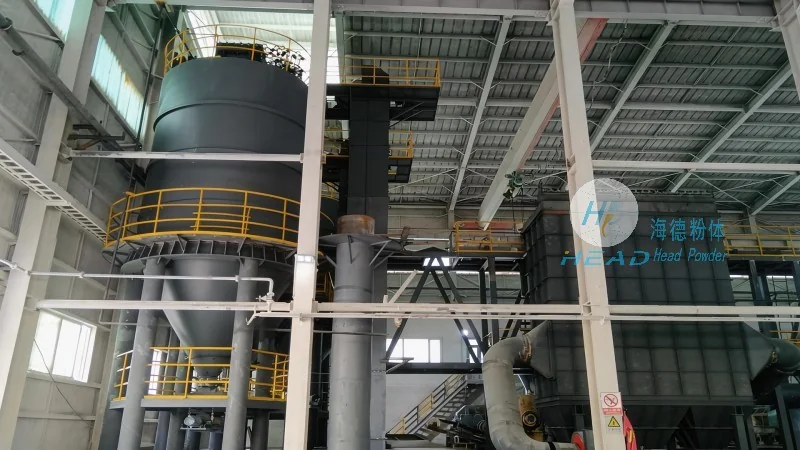
HeadPowder, a leading provider in the field, specializes in engineering and supplying advanced pneumatic conveying systems tailored to the unique needs of coke powder transport. With a focus on innovation and reliability, the company's solutions are designed to address the challenges associated with handling fine, abrasive, and potentially hazardous materials. The following sections will explore the different methods of coke powder transport and delve into the specific advantages and features of pneumatic conveying, providing a comprehensive overview for industry professionals seeking to optimize their material handling processes.
Different Methods for Transporting Coke Powder
There are several traditional and modern methods used for transporting coke powder, each with its own set of applications and limitations. The primary methods include mechanical conveyors, such as belt conveyors and screw conveyors, which are commonly used for bulk material transport. However, these systems may face challenges when dealing with fine powders, as they can lead to material buildup, increased friction, and higher maintenance costs. Another method is the use of bucket elevators, which are effective for vertical transport but may not be suitable for long-distance or complex routing requirements.
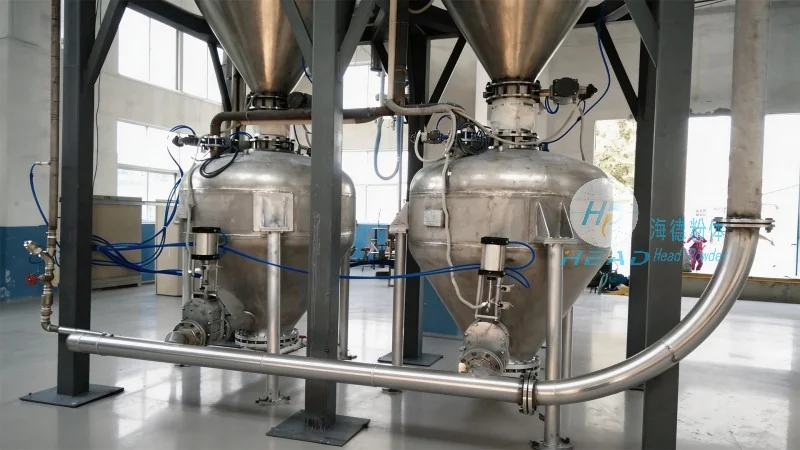
While these mechanical systems have been widely adopted, they often struggle with the unique properties of coke powder, including its tendency to create dust, clog equipment, and cause operational inefficiencies. In contrast, pneumatic conveying offers a more integrated and efficient approach to handling such materials, making it an increasingly popular choice among industrial facilities.
The Advantages and Features of Pneumatic Conveying for Coke Powder
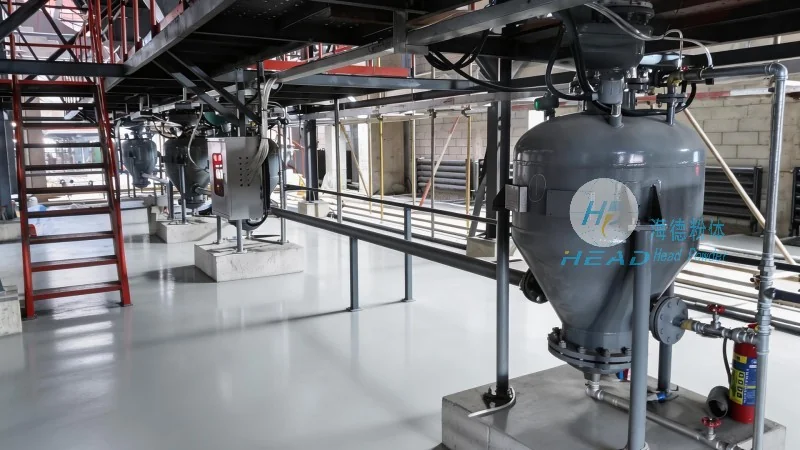
Pneumatic conveying, also known as air conveying, utilizes air pressure to transport solid materials like coke powder through a pipeline system. This method can be categorized into two main types: positive pressure (or pressure) systems and negative pressure (or vacuum) systems. Positive pressure systems use compressed air to push the material through the pipeline, while negative pressure systems use a vacuum to draw the material into the system. Both types offer distinct advantages, and the choice between them depends on factors such as the distance of transport, the volume of material, and the specific requirements of the application.
One of the key advantages of pneumatic conveying for coke powder is its ability to handle fine particles effectively. Unlike mechanical conveyors, which may cause material degradation or blockages, pneumatic systems can transport even the smallest particles with minimal loss or degradation. This is particularly important for coke powder, as its fine size makes it susceptible to agglomeration and dust generation during transport.
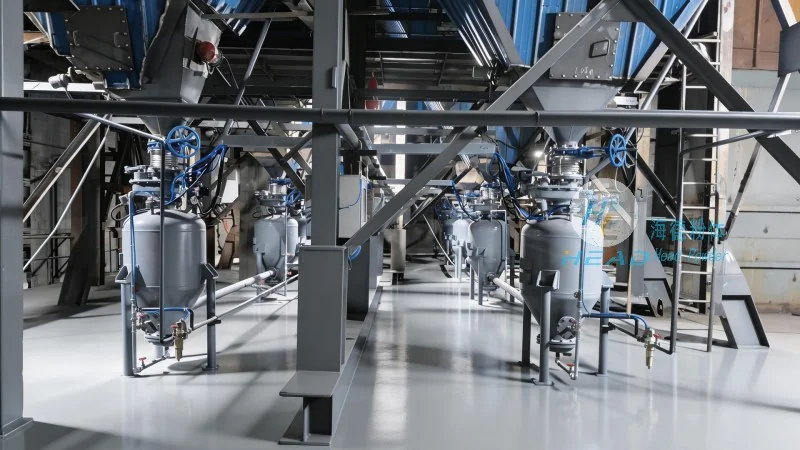
Another significant benefit is the reduction in dust and environmental impact. Pneumatic conveying systems are enclosed, which helps to contain dust and prevent it from being released into the environment. This not only improves workplace safety but also complies with environmental regulations, making it a more sustainable option compared to open-air mechanical systems. The enclosed nature of the system also reduces the risk of dust explosions, a common concern when handling fine powders.
Efficiency and flexibility are additional advantages of pneumatic conveying. These systems can transport coke powder over long distances and through complex routes, including vertical and horizontal changes, without the need for multiple pieces of equipment. This flexibility allows for more streamlined material flow and reduces the overall footprint of the transport system. Moreover, pneumatic conveying can be easily integrated with other industrial processes, such as storage silos, processing units, and packaging equipment, creating a seamless material handling solution.
HeadPowder's expertise in designing and implementing pneumatic conveying systems ensures that clients receive tailored solutions that meet their specific operational needs. The company's engineers work closely with clients to assess their material characteristics, transport requirements, and budget constraints, developing customized systems that optimize performance and minimize downtime. By leveraging advanced technology and robust engineering, HeadPowder provides reliable and efficient solutions that enhance the overall productivity and safety of coke powder handling operations.

 Shandong Headpowder Engineering Co., Ltd.
 156-6277-7102(Quản lý Trương)
  0531-83386006
  Thành phố Tế Nam, Tỉnh Sơn Đông, Trung Quốc
Điện thoại
WeChatTư vấn
Lên đầu