Với hơn 10 năm kinh nghiệm về vận chuyển khí nén, Headpowder Sơn Đông cung cấp hệ thống, thiết bị và quạt gió toàn chuỗi, đảm nhận các dự án kỹ thuật bột trọn gói trên toàn quốc.
High calcium stone powder, a crucial material in various industrial applications, requires efficient and reliable conveying methods to ensure smooth production processes. The choice of conveying system significantly impacts operational efficiency, material quality, and overall cost-effectiveness. This article explores the primary methods for transporting high calcium stone powder, with a particular focus on the advantages and features of pneumatic conveying, a preferred solution for many industries.
About Shandong HeadPowder Engineering Co., Ltd.
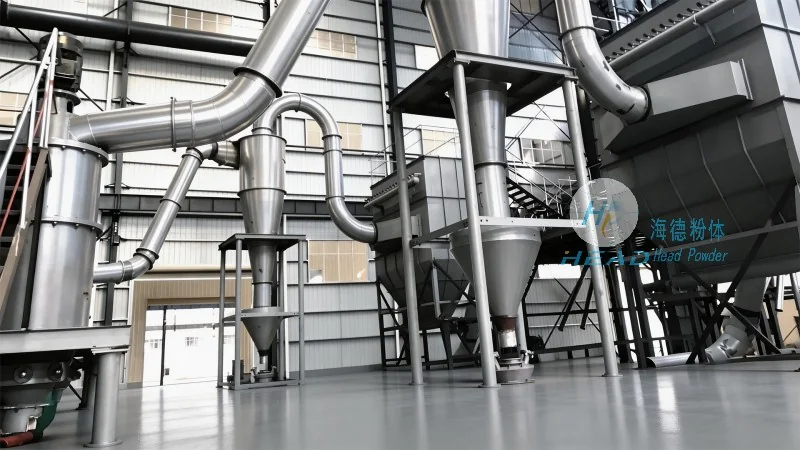
Shandong HeadPowder Engineering Co., Ltd., commonly known as headpowder, is a leading manufacturer specializing in powder handling equipment and solutions. With a strong presence in China, particularly in Shandong, the company has established itself as a trusted provider of high-quality conveying systems tailored to the needs of the powder industry. Their expertise lies in designing and implementing efficient solutions that enhance productivity and ensure the safe and effective transport of materials like high calcium stone powder.
Overview of Conveying Methods for High Calcium Stone Powder
Conveying high calcium stone powder involves several approaches, each with its own set of advantages and limitations. Traditional methods such as gravity flow and mechanical systems, including screw conveyors and belt conveyors, have been widely used. However, these methods often face challenges when dealing with fine powders, which can lead to blockages, material degradation, and increased maintenance costs. In contrast, pneumatic conveying offers a more advanced and flexible solution that addresses many of these issues.
Advantages of Pneumatic Conveying for High Calcium Stone Powder
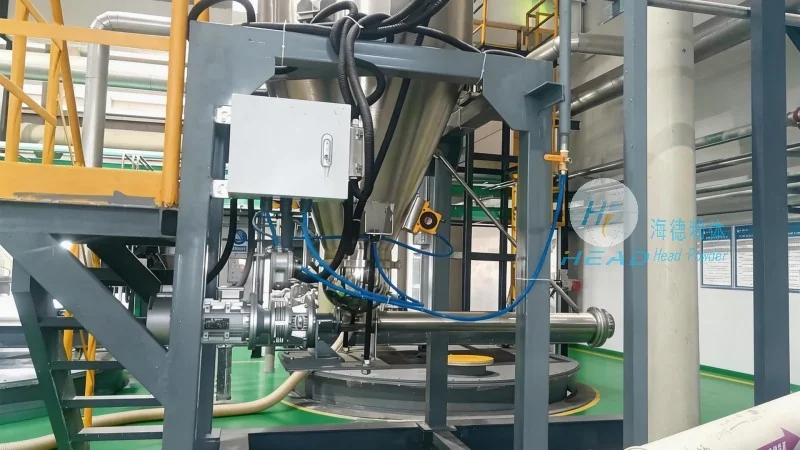
Pneumatic conveying, also known as air conveying, utilizes compressed air to transport materials through a pipeline system. This method is particularly effective for high calcium stone powder due to its ability to handle fine particles, prevent material degradation, and maintain a consistent flow rate. The key advantages of pneumatic conveying for this application include:
1. Efficient Material Handling: Pneumatic systems can transport high calcium stone powder over long distances with minimal energy consumption. The use of air as the conveying medium allows for a continuous, uniform flow, reducing the risk of material accumulation and blockages.
2. Prevention of Material Degradation: Unlike mechanical systems that may cause friction and abrasion, pneumatic conveying minimizes physical contact between the powder and the conveying components. This helps preserve the quality and integrity of the high calcium stone powder, ensuring it remains suitable for its intended applications.
3. Flexibility and Scalability: Pneumatic conveying systems can be easily customized to fit various production requirements. They can be adapted to handle different particle sizes, flow rates, and distances, making them suitable for both small-scale and large-scale operations. The modular design of these systems allows for easy expansion or modification as production needs change.
4. Reduced Maintenance and Downtime: With fewer moving parts compared to mechanical conveyors, pneumatic systems experience lower maintenance requirements and less downtime. This leads to increased operational reliability and lower long-term costs for the end-user.
Types of Pneumatic Conveying Systems for High Calcium Stone Powder
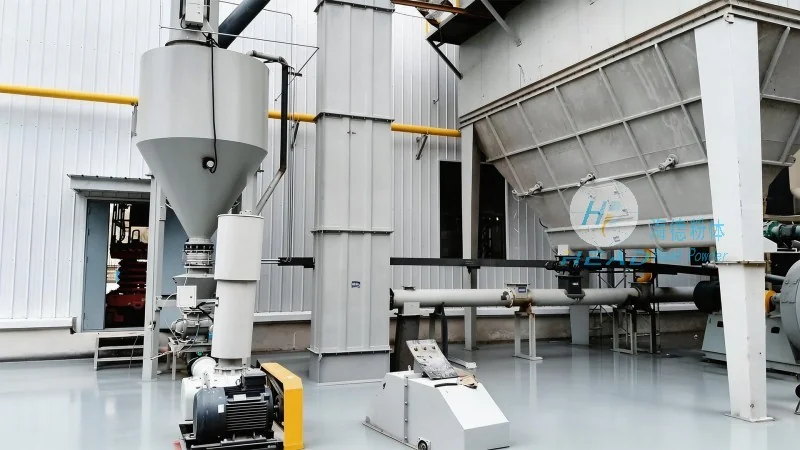
There are two main types of pneumatic conveying systems used for high calcium stone powder: positive pressure and negative pressure systems. Each type has specific applications and benefits.
1. Positive Pressure Conveying: In this system, compressed air is supplied to the material feed point, creating a positive pressure that pushes the powder through the pipeline. This method is ideal for short to medium distances and is commonly used in applications where the material is fed from a hopper or silo. Positive pressure systems are known for their high conveying capacity and ability to handle abrasive materials without significant wear.
2. Negative Pressure (Vacuum) Conveying: This system uses a vacuum at the receiving end to draw the powder from the source. The material is then transported through the pipeline by the pressure difference between the source and the receiver. Negative pressure systems are suitable for longer distances and are often used when the material needs to be transported from multiple points or when the receiving point is at a lower elevation. They are also effective for handling fine powders that may be prone to dusting or clogging.
Key Features of High Calcium Stone Powder Pneumatic Conveying Systems
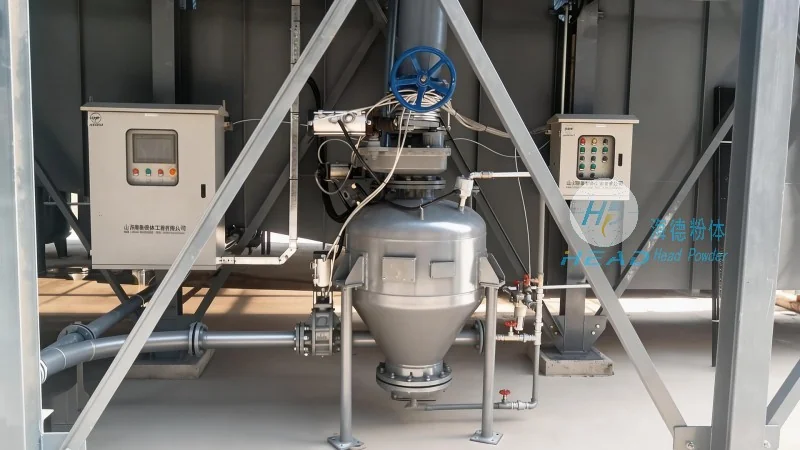
Modern pneumatic conveying systems for high calcium stone powder are equipped with several features that enhance their performance and reliability. These include:
1. Advanced Control Systems: Many systems incorporate sophisticated control panels that allow for real-time monitoring and adjustment of conveying parameters. This enables operators to optimize flow rates, pressure, and air volume to match production demands, ensuring efficient operation.
2. Material Handling Accessories: To ensure smooth operation, pneumatic systems often include accessories such as feeders, cyclones, and filters. Feeders help regulate the flow of powder into the system, preventing overloading or underloading. Cyclones are used to separate the powder from the air stream, while filters capture any fine particles to prevent contamination and maintain air quality.
3. Energy Efficiency: Modern pneumatic conveying systems are designed with energy efficiency in mind. The use of variable frequency drives (VFDs) and optimized air flow rates reduces energy consumption without compromising conveying performance. This not only lowers operational costs but also aligns with environmental sustainability goals.

 Shandong Headpowder Engineering Co., Ltd.
 156-6277-7102(Quản lý Trương)
  0531-83386006
  Thành phố Tế Nam, Tỉnh Sơn Đông, Trung Quốc
Điện thoại
WeChatTư vấn
Lên đầu