Với hơn 10 năm kinh nghiệm về vận chuyển khí nén, Headpowder Sơn Đông cung cấp hệ thống, thiết bị và quạt gió toàn chuỗi, đảm nhận các dự án kỹ thuật bột trọn gói trên toàn quốc.
When it comes to handling and transporting rare earth powders, selecting the right conveying method is crucial for maintaining product quality, efficiency, and safety. The choice of conveying system can significantly impact the overall performance of production lines, especially in industries that rely on these specialized materials. Among the various options available, pneumatic conveying stands out as a preferred solution for many applications due to its unique advantages and features. This overview is presented by Shandong HeadPowder Engineering Co., Ltd., a leading provider of advanced material handling solutions based in China.
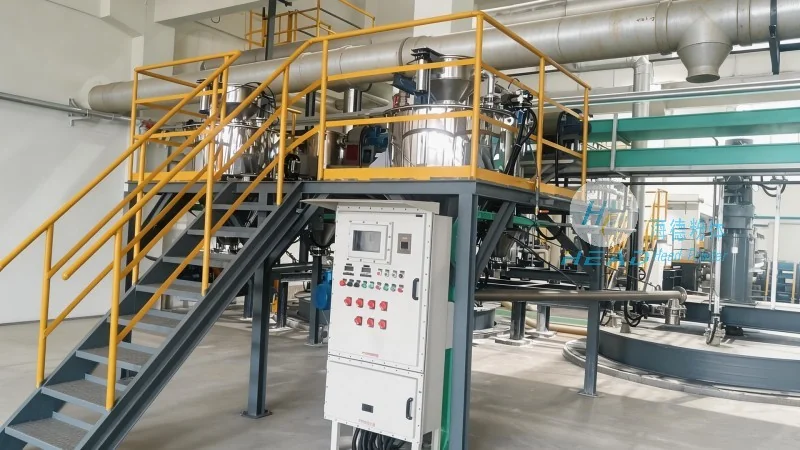
Common Conveying Methods for Rare Earth Powders
Before delving into the specifics of pneumatic conveying, it's essential to understand the primary methods used for transporting rare earth powders. Traditional approaches include mechanical conveyors like belt conveyors, screw conveyors, and bucket elevators. These systems are widely used in bulk material handling and have been proven effective for many industrial applications. However, they often face challenges when dealing with fine powders, such as rare earth oxides or metals, due to issues like dust generation, material degradation, and limited flexibility in layout.
Pneumatic Conveying: A Comprehensive Overview
Pneumatic conveying, also known as air conveying, is a method that uses pressurized or vacuum air to transport bulk materials through a pipeline system. This technology is particularly well-suited for handling fine powders, including rare earth powders, as it minimizes direct contact with equipment and reduces the risk of contamination or degradation. The process typically involves a series of components, including a feeder, a conveying line, a separator, and a receiver, all working in tandem to ensure efficient material transport.
Key Advantages of Pneumatic Conveying for Rare Earth Powders
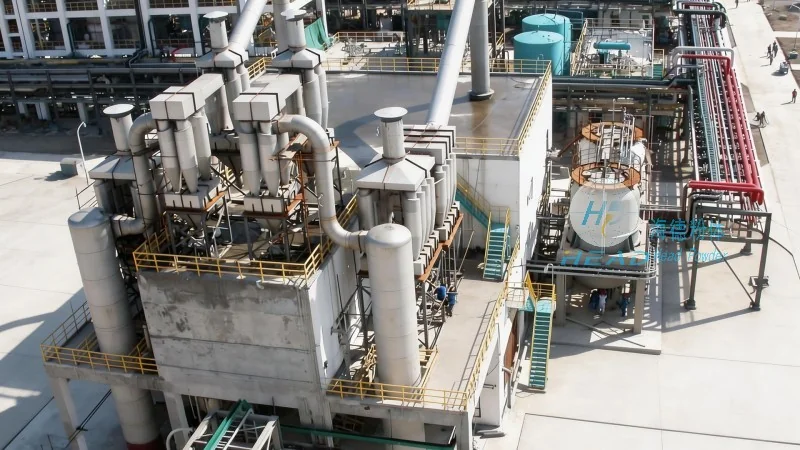
One of the most significant advantages of pneumatic conveying is its ability to handle fine and abrasive materials without causing damage or degradation. Rare earth powders are often sensitive to mechanical stress and can easily clump or degrade when exposed to high shear forces. Pneumatic systems, especially those using positive pressure or a combination of pressure and vacuum, provide a gentle and controlled environment for material transport, preserving the integrity of the powder.
Another key benefit is the flexibility in system design. Pneumatic conveying systems can be easily customized to fit the specific layout and requirements of a production facility. They can be installed in various configurations, including straight-line, loop, or vertical conveyors, allowing for efficient material movement between different processing stages. This adaptability makes pneumatic conveying an ideal choice for complex production lines where multiple material handling points are required.
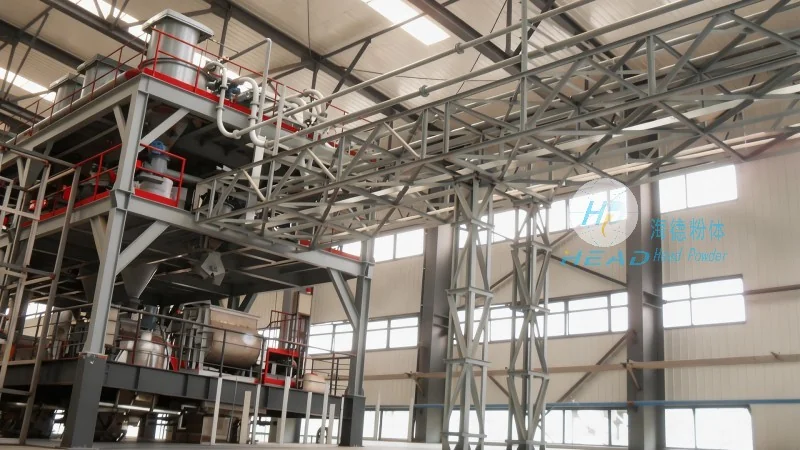
Enhanced Safety and Environmental Control
Safety is a critical consideration when handling rare earth powders, as these materials can pose health risks if not managed properly. Pneumatic conveying systems offer enhanced safety features compared to mechanical conveyors. By enclosing the material in a sealed pipeline, the risk of dust exposure and inhalation is significantly reduced. Additionally, the system can be equipped with filtration and dust collection units to ensure compliance with environmental regulations and maintain a clean working environment.
Efficiency and Cost-Effectiveness
Pneumatic conveying is known for its high efficiency in material transport. The ability to move materials over long distances with minimal energy consumption makes it a cost-effective solution for many industrial applications. Unlike mechanical conveyors that may require frequent maintenance and replacement of components due to wear and tear, pneumatic systems often have longer service lives and lower maintenance costs. This translates into reduced operational expenses and increased productivity over time.
Features and Technical Considerations
Several features make pneumatic conveying suitable for rare earth powder applications. The use of air as the conveying medium allows for the transport of materials in a dry or wet state, depending on the specific requirements. This flexibility is particularly valuable in processes where the powder needs to be handled in a controlled environment, such as in chemical or metallurgical operations. Additionally, the system can be equipped with advanced controls and monitoring systems to ensure precise material flow and prevent overloading or underloading of the conveyor.
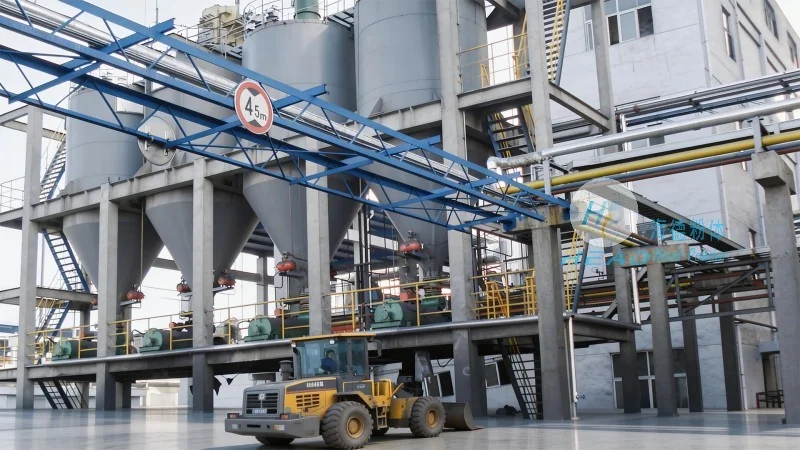
When implementing a pneumatic conveying system for rare earth powders, several technical considerations must be taken into account. The choice of air pressure and flow rate is critical to ensure efficient transport without causing excessive wear on the system components. The material's properties, such as particle size, density, and moisture content, also play a significant role in determining the optimal conveying parameters. Proper system design and sizing are essential to avoid issues like blockages, pressure drops, or excessive energy consumption.
Conclusion
In conclusion, pneumatic conveying offers a superior solution for transporting rare earth powders compared to traditional mechanical methods. Its ability to handle fine and sensitive materials, combined with enhanced safety features, flexibility, and efficiency, makes it an ideal choice for modern industrial applications. As the demand for rare earth materials continues to grow, the adoption of advanced conveying technologies like pneumatic systems will become increasingly important for maintaining productivity and product quality.

 Shandong Headpowder Engineering Co., Ltd.
 156-6277-7102(Quản lý Trương)
  0531-83386006
  Thành phố Tế Nam, Tỉnh Sơn Đông, Trung Quốc
Điện thoại
WeChatTư vấn
Lên đầu