Với hơn 10 năm kinh nghiệm về vận chuyển khí nén, Headpowder Sơn Đông cung cấp hệ thống, thiết bị và quạt gió toàn chuỗi, đảm nhận các dự án kỹ thuật bột trọn gói trên toàn quốc.
Sodium hypochlorite, a critical chemical in water treatment, sanitation, and industrial processes, demands reliable and efficient delivery systems to maintain its effectiveness and ensure operational safety. The choice of delivery method directly impacts cost, efficiency, and environmental compliance, making it a key consideration for industries relying on this chemical. This article explores the various delivery methods available for sodium hypochlorite, with a focus on the advantages and features of pneumatic conveying as a primary solution.
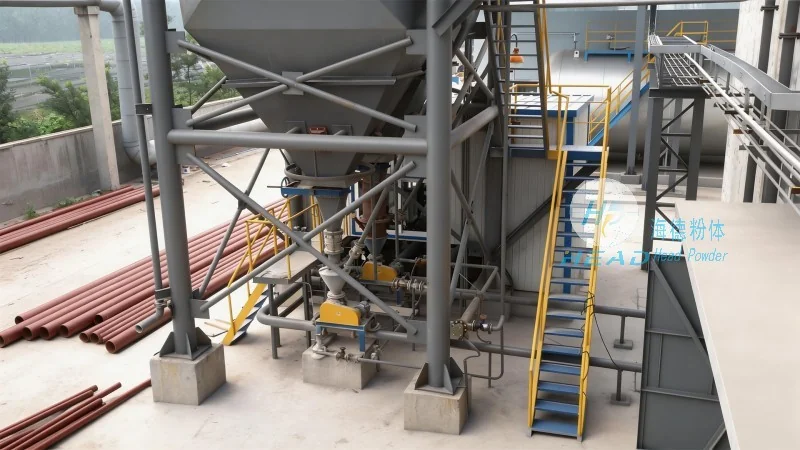
The Importance of Efficient Sodium Hypochlorite Delivery
Sodium hypochlorite is widely used for disinfection, oxidation, and bleaching in water treatment, healthcare, and manufacturing. Its effectiveness depends on consistent and controlled delivery to the point of use. Traditional methods like tank trucks or manual handling may pose risks of contamination, spills, and inconsistent dosing. Therefore, efficient delivery systems are essential to preserve the chemical's quality and ensure safe operation. Pneumatic conveying addresses these challenges by providing a closed-loop system that minimizes exposure to external factors and maintains product integrity.
Pneumatic Conveying as a Primary Delivery Method
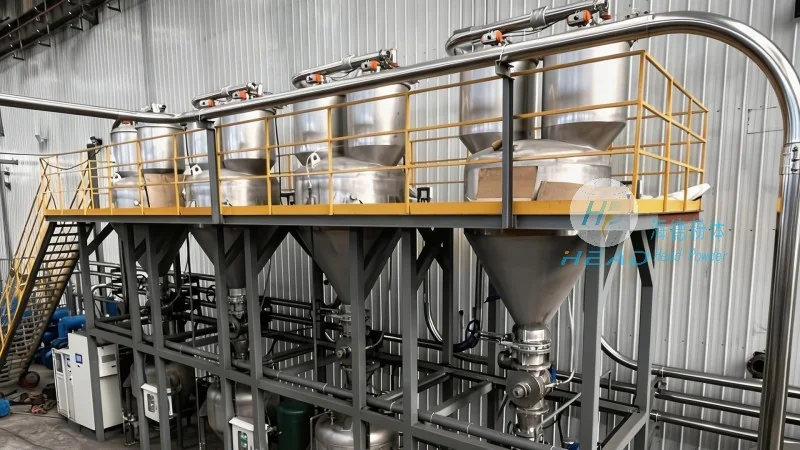
Pneumatic conveying utilizes air or other gases to transport sodium hypochlorite through a pipeline, offering a flexible and automated approach to material handling. Unlike mechanical systems that rely on belts or screws, pneumatic systems can handle both liquid and solid forms of sodium hypochlorite, making them versatile for various applications. This method is particularly suitable for sodium hypochlorite because it can be delivered in solution form without the need for additional processing steps, preserving the chemical's reactivity and stability.
Key Advantages of Pneumatic Conveying for Sodium Hypochlorite
The advantages of pneumatic conveying for sodium hypochlorite are significant and multifaceted. Firstly, it reduces the risk of leaks and spills, enhancing workplace safety and environmental protection. The closed system prevents accidental release of the chemical, which is crucial for compliance with environmental regulations. Secondly, pneumatic systems minimize product contamination, as the material is transported in a sealed environment, avoiding contact with dust, moisture, or other contaminants. This is vital for maintaining the chemical's effectiveness in applications like water disinfection, where purity is paramount. Thirdly, these systems offer flexibility in operation, allowing for both pressure and vacuum modes to transport materials to different locations. This adaptability makes them suitable for complex industrial layouts and varying process requirements.
Technical Considerations in Pneumatic Conveying Systems
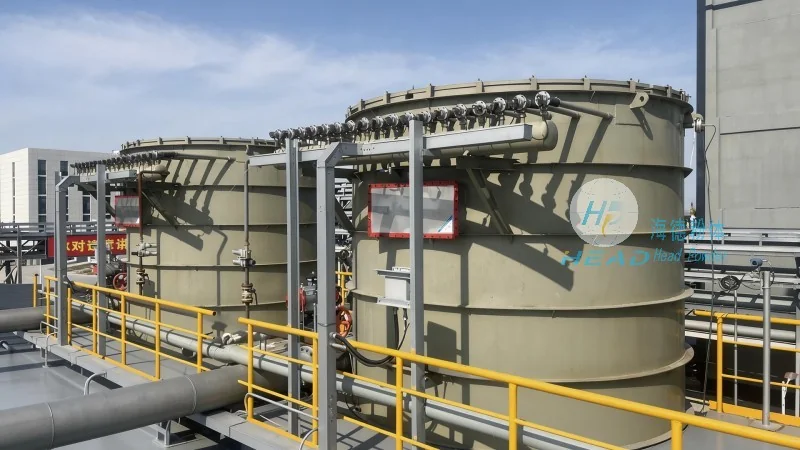
Implementing an effective pneumatic conveying system for sodium hypochlorite requires careful consideration of technical aspects. The system design must account for the chemical's physical properties, such as viscosity and density. Sodium hypochlorite solutions are typically handled as liquids, necessitating appropriate pump and pipeline configurations to prevent clogging or degradation. The choice of materials for the conveying pipeline is critical; corrosion-resistant materials like stainless steel are commonly used to withstand the chemical's reactivity and ensure long-term durability. Additionally, the system must include proper filtration and cleaning mechanisms to maintain the quality of the conveyed material and prevent blockages. Regular maintenance and monitoring are essential to ensure the system operates efficiently and safely.
Application Scenarios and Practical Implementation
Pneumatic conveying is widely applied in various industrial settings where sodium hypochlorite is utilized. In water treatment plants, for example, pneumatic systems efficiently transport sodium hypochlorite from storage tanks to dosing points, ensuring precise dosing for disinfection. The ability to deliver the chemical directly to the point of use minimizes waste and ensures consistent water quality. In industrial sanitation and food processing facilities, these systems facilitate the delivery of sodium hypochlorite for cleaning and sanitizing operations, allowing for rapid and effective disinfection of equipment and surfaces. The flexibility of pneumatic conveying also makes it suitable for small-scale laboratory applications or large-scale industrial operations, adapting to different process requirements and scales.
Conclusion and Company Profile
Efficient delivery of sodium hypochlorite is essential for maintaining operational efficiency and safety in various industries. Pneumatic conveying, with its numerous advantages, remains a leading choice for many applications. Shandong HeadPowder Engineering Co., Ltd., a reputable company based in China, specializes in providing advanced solutions for chemical handling and delivery systems. With a focus on innovation and quality, HeadPowder offers tailored pneumatic conveying systems that meet the specific needs of its clients, ensuring reliable and safe transportation of sodium hypochlorite. The company's commitment to excellence and customer satisfaction has made it a trusted partner in the chemical processing industry, helping businesses optimize their sodium hypochlorite delivery processes and enhance overall operational performance.

 Shandong Headpowder Engineering Co., Ltd.
 156-6277-7102(Quản lý Trương)
  0531-83386006
  Thành phố Tế Nam, Tỉnh Sơn Đông, Trung Quốc
Điện thoại
WeChatTư vấn
Lên đầu