Với hơn 10 năm kinh nghiệm về vận chuyển khí nén, Headpowder Sơn Đông cung cấp hệ thống, thiết bị và quạt gió toàn chuỗi, đảm nhận các dự án kỹ thuật bột trọn gói trên toàn quốc.
When it comes to the efficient and reliable transport of cement raw materials, the choice of conveying system plays a crucial role in optimizing production processes and ensuring consistent quality. In the cement industry, various methods are employed to move raw materials from storage to processing units, each with its own set of advantages and limitations. Among these, pneumatic conveying has emerged as a preferred solution for many manufacturers due to its flexibility, efficiency, and ability to handle a wide range of materials.
Overview of Cement Raw Material Conveying Methods
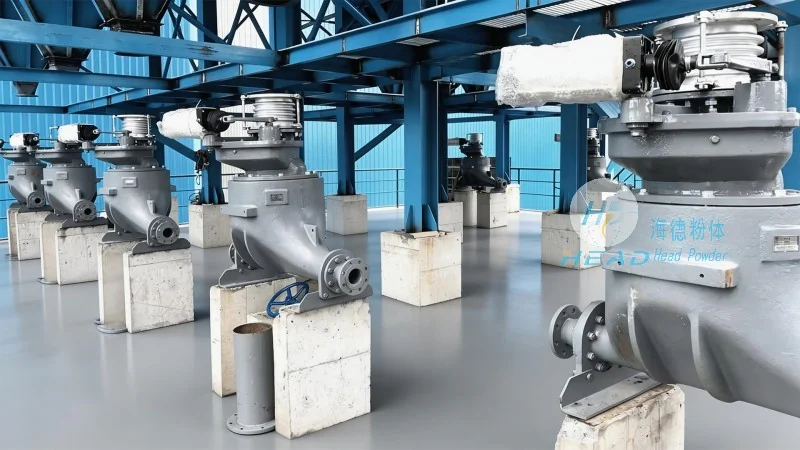
In the cement manufacturing process, raw materials such as limestone, clay, and iron ore are transported from storage silos to the raw mill for grinding. Traditional conveying methods include mechanical systems like belt conveyors, bucket elevators, and screw conveyors. These systems are widely used due to their simplicity and cost-effectiveness. However, they often face challenges with material handling, especially when dealing with fine powders or abrasive materials, which can lead to increased maintenance and downtime.
Pneumatic Conveying: A Modern Solution for Cement Raw Material Transport
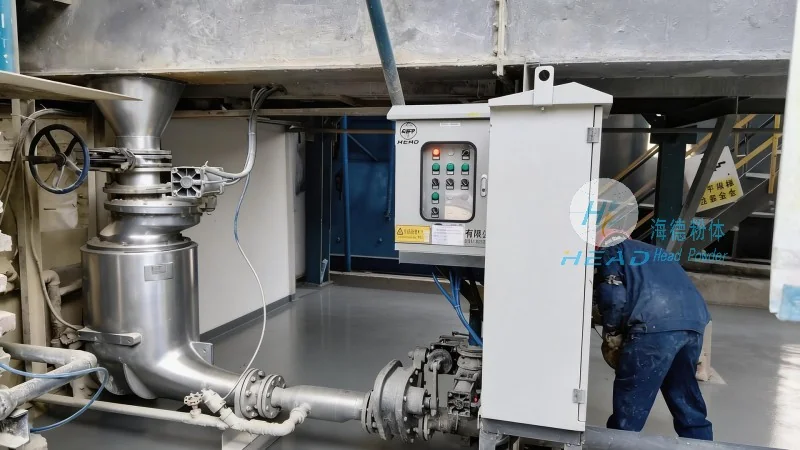
Pneumatic conveying, also known as air conveying, uses a stream of air to transport bulk materials through a pipeline system. This method offers several advantages over traditional mechanical systems, making it an ideal choice for cement raw material handling. The primary benefit is the ability to handle fine powders and abrasive materials without the need for complex equipment or frequent maintenance. Unlike mechanical systems that rely on moving parts, pneumatic conveying minimizes wear and tear, reducing operational costs and extending equipment life.
Key Advantages of Pneumatic Conveying for Cement Raw Materials
One of the most significant advantages of pneumatic conveying is its flexibility in system design. Unlike fixed mechanical systems, pneumatic systems can be easily reconfigured or expanded to accommodate changes in production volume or material types. This adaptability is particularly valuable in the dynamic environment of cement manufacturing, where production schedules and raw material sources may vary. Additionally, pneumatic conveying provides a high degree of material containment, preventing dust emissions and ensuring a clean working environment. This not only enhances workplace safety but also complies with environmental regulations, reducing the risk of fines or operational disruptions.
Another key advantage is the energy efficiency of pneumatic systems. While initial setup costs may be higher than traditional mechanical systems, the long-term operational savings are substantial. Pneumatic conveying requires less power to transport materials over long distances compared to mechanical systems, which often need multiple drives and components. This results in lower electricity consumption and reduced carbon footprint, aligning with the industry's growing focus on sustainability.
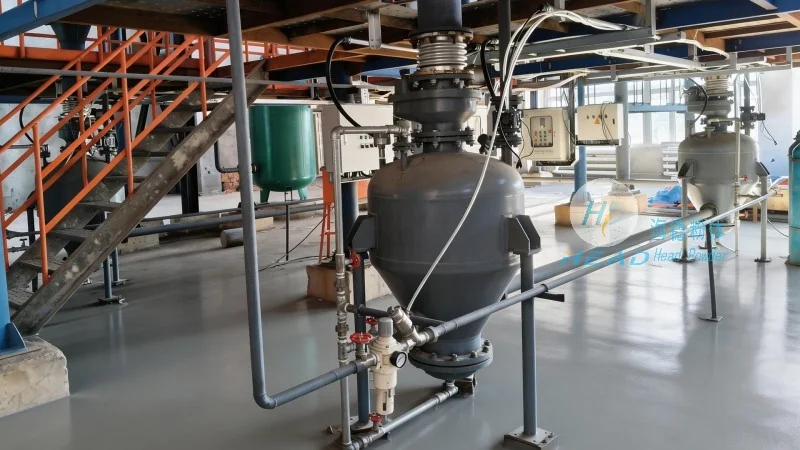
Features of Pneumatic Conveying Systems
Modern pneumatic conveying systems for cement raw materials are equipped with advanced features that enhance performance and reliability. These systems typically include positive displacement blowers or rotary lobe pumps that generate the necessary air pressure to move materials through the pipeline. The use of high-quality materials, such as stainless steel or special alloys, ensures durability and resistance to corrosion from the abrasive raw materials. Additionally, many systems incorporate automated controls that monitor flow rates, pressure, and material levels, providing real-time data for process optimization.
HeadPowder, a leading provider of industrial conveying solutions, specializes in designing and manufacturing pneumatic conveying systems tailored to the specific needs of cement manufacturers. With years of experience in the industry, HeadPowder understands the unique challenges faced by cement producers and offers customized solutions that maximize efficiency and minimize downtime. The company's expertise in material handling and process engineering ensures that each system is optimized for the specific raw materials and production requirements of the client.
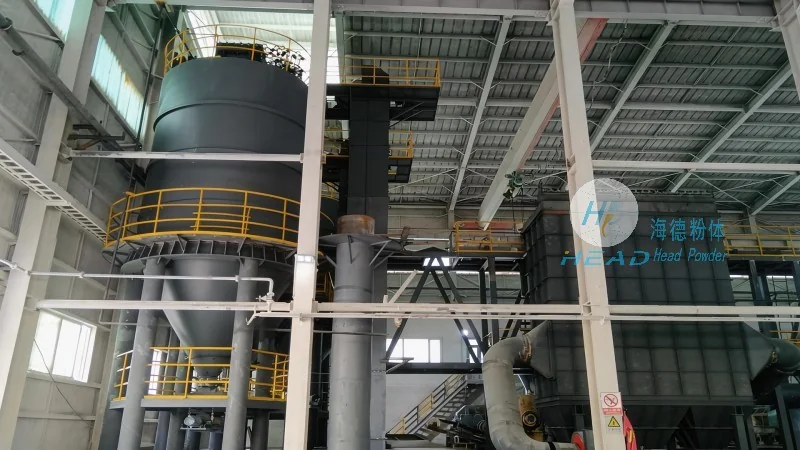
Customized Pneumatic Conveying Solutions from HeadPowder
HeadPowder Engineering Co., Ltd., based in Shandong, China, is committed to delivering high-quality pneumatic conveying systems that meet the stringent demands of the cement industry. The company's team of engineers and technicians work closely with clients to assess their current conveying challenges and develop tailored solutions. Whether it's a new plant setup or an upgrade to an existing system, HeadPowder provides comprehensive support from design and installation to maintenance and after-sales service.
The company's pneumatic conveying systems are designed to handle a wide range of cement raw materials, including limestone, clay, and gypsum, with varying particle sizes and moisture content. By leveraging advanced technology and robust engineering, HeadPowder ensures that each system operates efficiently and reliably, reducing the risk of material loss or system failure. The company's focus on quality and customer satisfaction has earned it a reputation as a trusted partner in the cement industry, with clients across China and beyond.

 Shandong Headpowder Engineering Co., Ltd.
 156-6277-7102(Quản lý Trương)
  0531-83386006
  Thành phố Tế Nam, Tỉnh Sơn Đông, Trung Quốc
Điện thoại
WeChatTư vấn
Lên đầu