Với hơn 10 năm kinh nghiệm về vận chuyển khí nén, Headpowder Sơn Đông cung cấp hệ thống, thiết bị và quạt gió toàn chuỗi, đảm nhận các dự án kỹ thuật bột trọn gói trên toàn quốc.
When it comes to transporting anhydrous sodium sulfate, selecting the right method is crucial for ensuring efficiency, safety, and cost-effectiveness in industrial operations. Anhydrous sodium sulfate, also known as anhydrous sodium sulfate or sodium sulfate without water, is a common chemical used in various industries, including glass manufacturing, paper production, and chemical processing. The choice of transportation method can significantly impact the overall performance of the supply chain, affecting factors such as material handling speed, equipment maintenance, and operational costs.
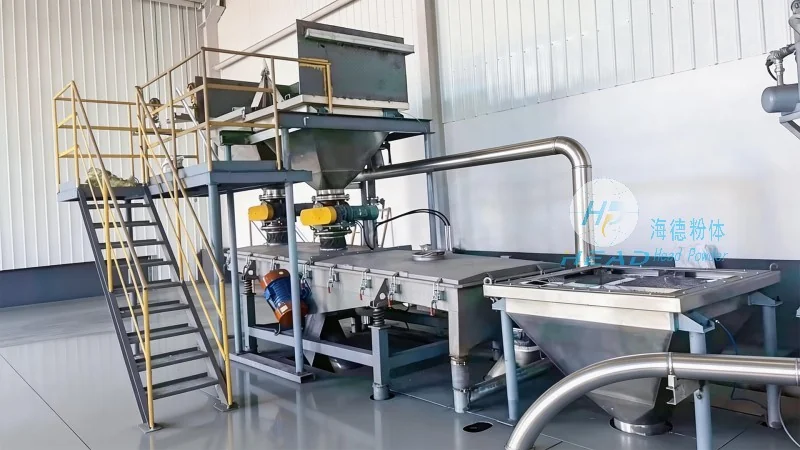
Common Transportation Methods for Anhydrous Sodium Sulfate
There are several traditional methods used for transporting anhydrous sodium sulfate, including bulk handling via trucks, railcars, or ships. These methods are often suitable for long-distance transportation and large-scale operations. However, they may face challenges such as material spillage, dust generation, and the need for specialized equipment to handle the bulk material safely. Additionally, these methods may not be ideal for indoor or enclosed environments where dust control is critical.
Pneumatic Conveying: A Modern Solution for Anhydrous Sodium Sulfate Transport
Pneumatic conveying has emerged as a preferred method for transporting anhydrous sodium sulfate due to its numerous advantages. This technology uses air pressure to move the material through a closed system, eliminating the need for open containers and reducing the risk of dust exposure. The process involves a hopper where the material is loaded, a conveyor line with air jets, and a receiver where the material is deposited. The system can be designed for both low and high-pressure operations, allowing flexibility in handling different material characteristics and distances.
Advantages of Pneumatic Conveying for Anhydrous Sodium Sulfate
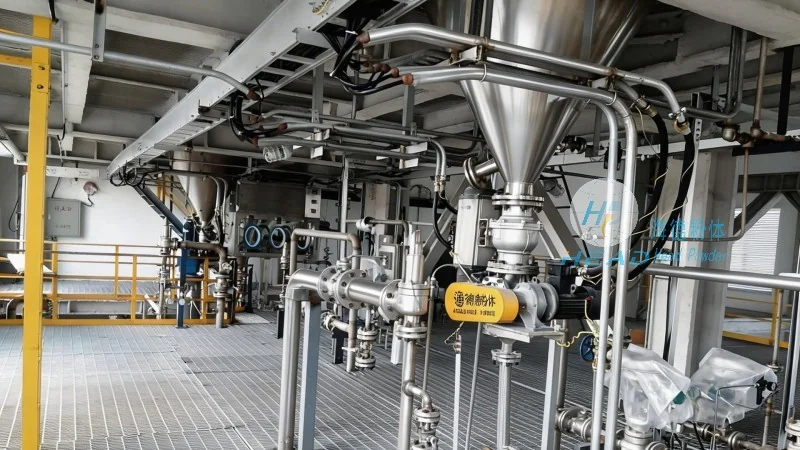
One of the key advantages of pneumatic conveying for anhydrous sodium sulfate is its ability to maintain a clean and dust-free environment. Unlike traditional methods that may generate significant dust, pneumatic systems are enclosed, preventing the release of particles into the air. This is particularly important in industries where air quality and worker safety are top priorities. Additionally, pneumatic conveying offers high efficiency in material transfer, as the system can handle large volumes of material with minimal downtime. The technology also reduces the need for manual handling, minimizing the risk of accidents and injuries associated with moving heavy bulk materials.
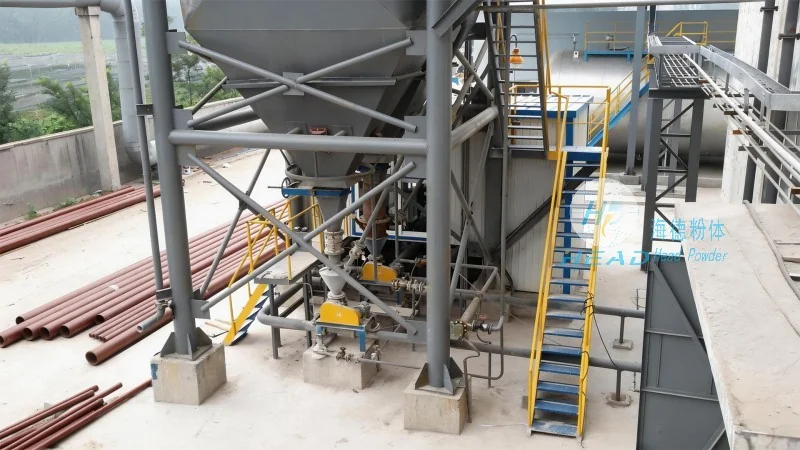
Key Features of Pneumatic Conveying Systems for Anhydrous Sodium Sulfate
Modern pneumatic conveying systems for anhydrous sodium sulfate are equipped with advanced features that enhance their performance and reliability. These systems typically include high-capacity hoppers with level indicators to monitor material levels, air compressors or vacuum pumps to generate the necessary pressure, and flexible hoses or rigid pipes for material transport. The design of the system can be customized to suit specific operational requirements, such as the distance between the loading and unloading points, the volume of material to be transported, and the desired speed of transfer. Some systems also incorporate filtration and dust collection units to ensure compliance with environmental regulations and maintain air quality.
Application Examples in Industrial Settings
The effectiveness of pneumatic conveying for anhydrous sodium sulfate is demonstrated in various industrial applications. For instance, in glass manufacturing plants, anhydrous sodium sulfate is used as a raw material in the production of glass. Pneumatic conveying systems are used to transport the material from storage silos to the production lines, ensuring a continuous and controlled supply. In paper mills, the chemical is used in the pulping process, and pneumatic systems help in delivering it to the processing equipment efficiently. Similarly, in chemical processing facilities, the material is used in the synthesis of other chemicals, and pneumatic conveying facilitates its movement between different stages of production.
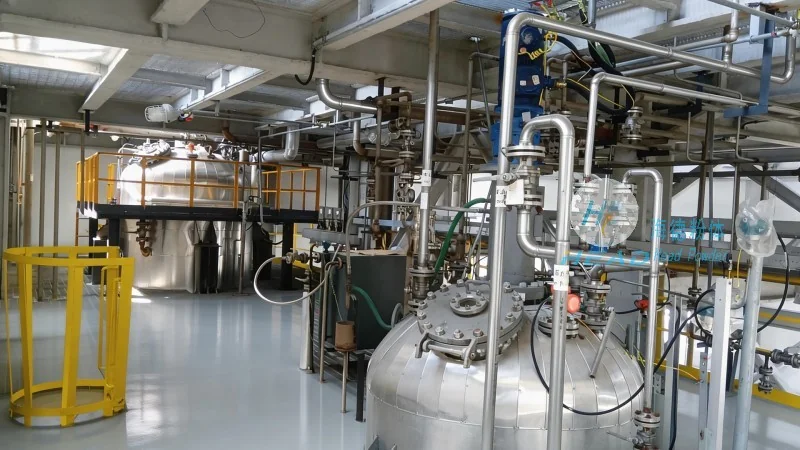
Choosing the Right Pneumatic Conveying System for Anhydrous Sodium Sulfate
When selecting a pneumatic conveying system for anhydrous sodium sulfate, several factors need to be considered. The first is the material characteristics, such as its bulk density, flowability, and particle size. These properties determine the type of system that is most suitable, whether it's a pressure or vacuum system. The second factor is the distance and layout of the transportation route, as this affects the pressure requirements and the length of the conveyor line. The third factor is the desired throughput, which influences the size and capacity of the system components. It is also important to consider the environmental regulations and safety standards that apply to the operation, as these may require additional features like dust collection and explosion-proof designs.
Conclusion
In conclusion, pneumatic conveying offers a superior solution for the transportation of anhydrous sodium sulfate compared to traditional methods. Its ability to maintain a clean environment, ensure high efficiency, and reduce operational risks makes it an ideal choice for modern industrial applications. As the demand for efficient and safe material handling continues to grow, pneumatic conveying systems are becoming increasingly popular in the chemical and industrial sectors. For businesses looking to optimize their supply chain and improve operational performance, investing in a well-designed pneumatic conveying system for anhydrous sodium sulfate is a strategic decision that can yield significant benefits.

 Shandong Headpowder Engineering Co., Ltd.
 156-6277-7102(Quản lý Trương)
  0531-83386006
  Thành phố Tế Nam, Tỉnh Sơn Đông, Trung Quốc
Điện thoại
WeChatTư vấn
Lên đầu