Với hơn 10 năm kinh nghiệm về vận chuyển khí nén, Headpowder Sơn Đông cung cấp hệ thống, thiết bị và quạt gió toàn chuỗi, đảm nhận các dự án kỹ thuật bột trọn gói trên toàn quốc.
When it comes to the transportation of polyvinyl alcohol formaldehyde (PVA-F), understanding the available methods is crucial for ensuring efficient and safe handling. As a specialized entity in the field, Shandong HeadPowder Engineering Co., Ltd., commonly known as headpowder, offers insights into the various approaches used to move this chemical compound. This article delves into the key transportation methods, highlighting their applications and considerations.
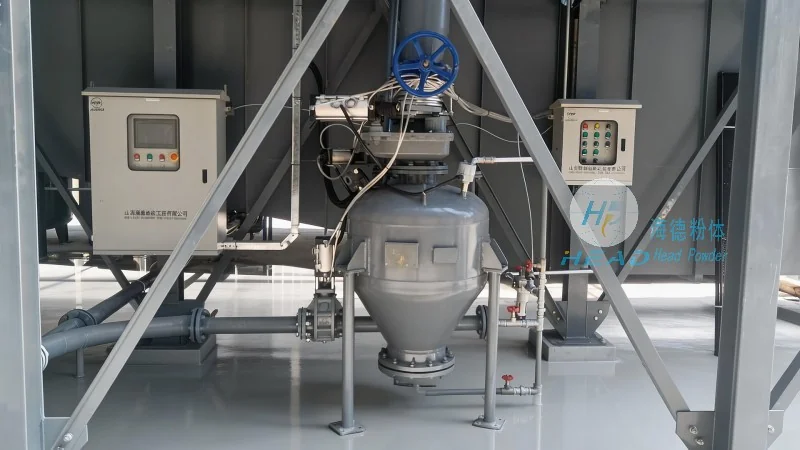
Understanding Polyvinyl Alcohol Formaldehyde and Its Transportation Needs
Polyvinyl alcohol formaldehyde, a polymer widely used in industrial applications, requires careful handling during transport due to its chemical properties and potential reactivity. The choice of transportation method depends on factors such as the volume of the material, the distance to be covered, and the specific requirements of the end-use. Shandong HeadPowder Engineering Co., Ltd. emphasizes the importance of selecting the right approach to minimize risks and optimize operational efficiency.
Common Transportation Methods for Polyvinyl Alcohol Formaldehyde
Several methods are commonly employed for the transportation of PVA-F, each with its own advantages and limitations. The primary options include pipeline transport, pump-assisted transfer, and containerized shipping. Each method is suitable for different scenarios, and the selection often hinges on the scale of the operation and the infrastructure available.
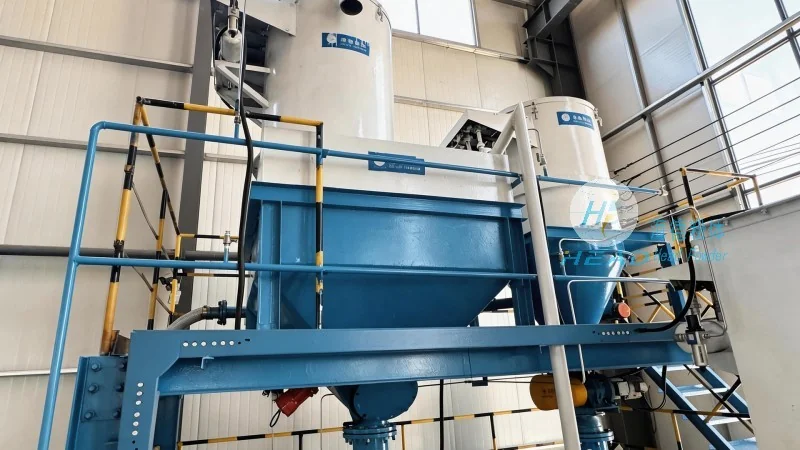
Pipeline Transport: A High-Volume Solution
Pipeline transport is a preferred method for large-scale, continuous movement of PVA-F. This approach involves the use of dedicated pipelines that connect production facilities to storage or processing sites. The system typically includes pumps and valves to control the flow, ensuring a steady and controlled delivery of the material. Shandong HeadPowder Engineering Co., Ltd. notes that pipeline transport minimizes the need for manual handling, reducing the risk of spills and exposure. However, it requires substantial investment in infrastructure and is generally limited to applications where the material is produced and consumed in close proximity.
Pump-Assisted Transfer: Flexibility for Varied Volumes
For smaller volumes or situations where pipeline infrastructure is not feasible, pump-assisted transfer is a versatile option. This method involves using pumps to move the PVA-F from one container to another or to a processing unit. Various types of pumps, such as centrifugal or positive displacement pumps, can be employed depending on the viscosity and flow characteristics of the material. The flexibility of pump-assisted transfer allows for adjustments in flow rate and direction, making it suitable for both batch and continuous operations. Shandong HeadPowder Engineering Co., Ltd. highlights that this method is particularly useful in industries where the material is used in smaller quantities or where the production process is intermittent.
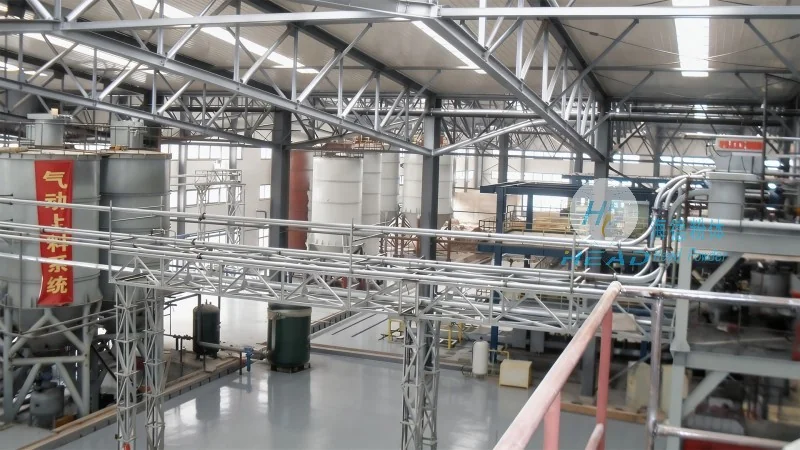
Containerized Shipping: Safe and Secure for Transport
Containerized shipping is another common method for transporting PVA-F, especially for longer distances or when moving the material to different locations. This approach involves loading the PVA-F into specialized containers, such as tank containers or bulk containers, which are designed to maintain the integrity of the chemical. The containers are equipped with valves and other safety features to prevent leaks or spills during transit. Shandong HeadPowder Engineering Co., Ltd. underscores the importance of proper labeling and documentation when using containerized shipping, as it ensures compliance with regulatory requirements and enhances safety. This method is ideal for both domestic and international transport, providing a reliable solution for moving PVA-F over extended distances.
Considerations and Best Practices in PVA-F Transportation
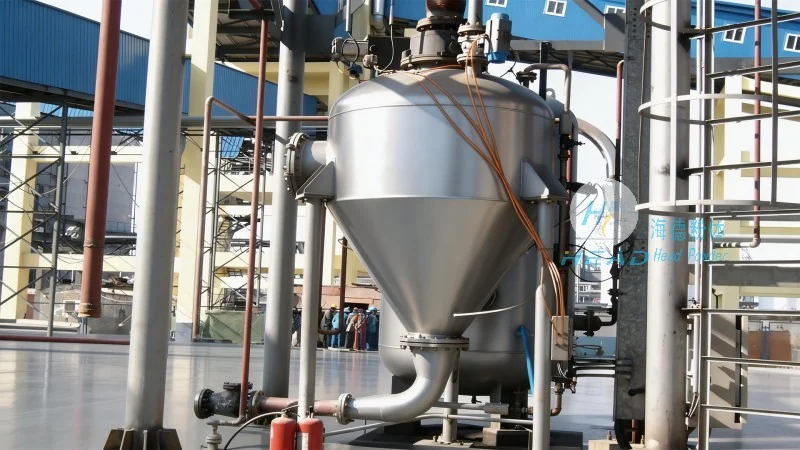
Regardless of the chosen transportation method, several considerations are essential to ensure the safety and efficiency of the process. First, proper equipment maintenance is critical to prevent malfunctions that could lead to leaks or accidents. Regular inspections of pipelines, pumps, and containers are recommended to identify and address potential issues before they escalate. Second, adherence to safety protocols is paramount. This includes wearing appropriate personal protective equipment (PPE), such as gloves and goggles, and following established handling procedures. Shandong HeadPowder Engineering Co., Ltd. advises that training personnel on the specific properties of PVA-F and the appropriate safety measures is a key component of effective transportation management.
Conclusion
In conclusion, the transportation of polyvinyl alcohol formaldehyde involves a range of methods, each tailored to specific operational needs. From pipeline transport for high-volume applications to pump-assisted transfer for flexibility and containerized shipping for longer distances, the choice of method depends on factors like scale, infrastructure, and safety requirements. Shandong HeadPowder Engineering Co., Ltd. emphasizes that selecting the right transportation approach is vital for optimizing efficiency while maintaining safety standards. By understanding the characteristics of PVA-F and the available options, industries can ensure the reliable and secure movement of this valuable chemical compound.

 Shandong Headpowder Engineering Co., Ltd.
 156-6277-7102(Quản lý Trương)
  0531-83386006
  Thành phố Tế Nam, Tỉnh Sơn Đông, Trung Quốc
Điện thoại
WeChatTư vấn
Lên đầu