Với hơn 10 năm kinh nghiệm về vận chuyển khí nén, Headpowder Sơn Đông cung cấp hệ thống, thiết bị và quạt gió toàn chuỗi, đảm nhận các dự án kỹ thuật bột trọn gói trên toàn quốc.
When it comes to the efficient handling and transportation of glass beads, various methods are employed to ensure optimal performance and reliability in industrial applications. Understanding these methods is crucial for businesses involved in the production, processing, or distribution of glass beads. This article explores the primary transportation methods used for glass beads, highlighting the key considerations and applications for each approach.
Overview of Glass Bead Transportation
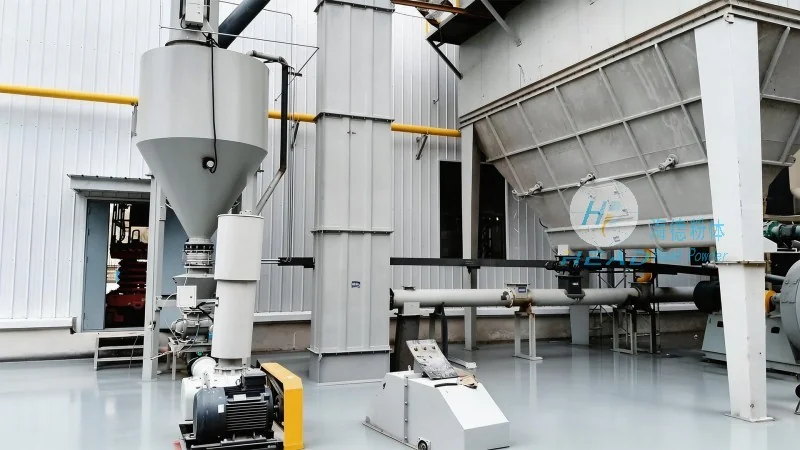
Glass beads, typically small spherical particles made from fused glass, are widely used in industries such as coatings, abrasives, and filtration. The transportation of these beads requires careful consideration of their size, density, and the environment in which they are being moved. Different transportation methods are suitable for different scenarios, ranging from small-scale operations to large industrial facilities.
Common Transportation Methods for Glass Beads
Several methods are commonly used to transport glass beads, each with its own advantages and limitations. The choice of method often depends on factors like the volume of beads, the distance they need to be moved, and the available infrastructure. Below are some of the most prevalent transportation techniques:
1. Gravity Feed Systems
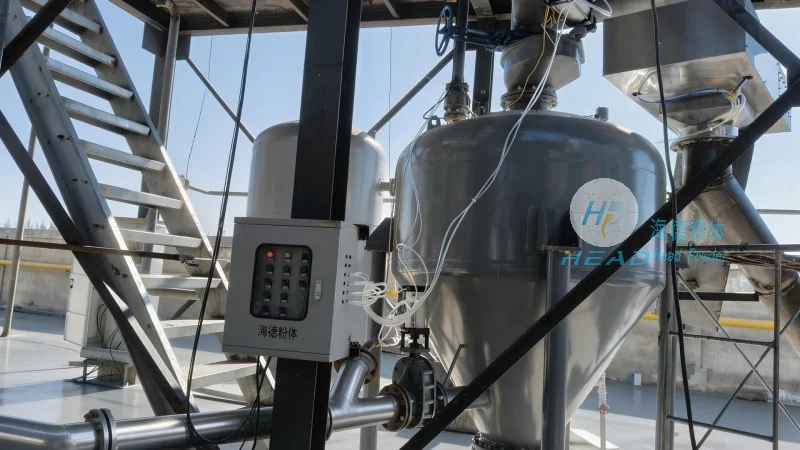
Gravity feed systems utilize the natural force of gravity to move glass beads from one location to another. These systems typically consist of a hopper or bin that holds the beads, with a sloped or inclined pipe or chute that allows the beads to flow downward under their own weight. This method is often used for short distances and low volumes, as it requires minimal energy input and is relatively simple to install. The smooth, spherical shape of glass beads facilitates smooth flow in gravity feed systems, reducing the risk of clogging or blockages. However, gravity feed systems may not be suitable for long distances or high volumes, as the flow rate can be limited by the slope and the size of the beads.
2. Mechanical Conveyors
For larger volumes and longer distances, mechanical conveyors are commonly employed. These systems use mechanical components such as belts, chains, or screws to move glass beads. Belt conveyors, for example, consist of a continuous belt that transports the beads along a path, often supported by rollers or idlers. Screw conveyors, on the other hand, use a rotating screw to push the beads forward through a tube or trough. Mechanical conveyors offer greater control over the flow rate and can handle higher volumes compared to gravity feed systems. They are also more suitable for longer distances and can be customized to fit specific operational requirements. However, they require more maintenance and energy compared to gravity feed systems, and may be more expensive to install.
3. Pneumatic Conveying
Pneumatic conveying systems use air or other gases to transport glass beads through a pipeline. This method is particularly effective for moving beads over long distances or in environments where dust control is a concern. There are two main types of pneumatic conveying: pressure and vacuum systems. In pressure systems, compressed air is used to push the beads through the pipeline, while in vacuum systems, a vacuum is created to draw the beads into the pipeline. Pneumatic conveying is often used in applications where the beads need to be transported from a central location to multiple destinations or where the process requires a dust-free environment. However, it can be more complex to design and maintain, and may require higher energy input compared to other methods.
4. Bucket Elevators
Bucket elevators are a type of mechanical conveyor that uses buckets attached to a chain or belt to lift and transport glass beads vertically. The buckets are filled with beads at the bottom of the elevator and then carried upward, releasing the beads at the top. This method is ideal for vertical transportation, such as moving beads from a lower level to an upper level in a facility. Bucket elevators can handle high volumes and are relatively reliable, but they require regular maintenance to ensure the buckets and chain or belt are in good condition. They are also more expensive to install compared to other vertical transportation methods.
5. Vibratory Conveyors
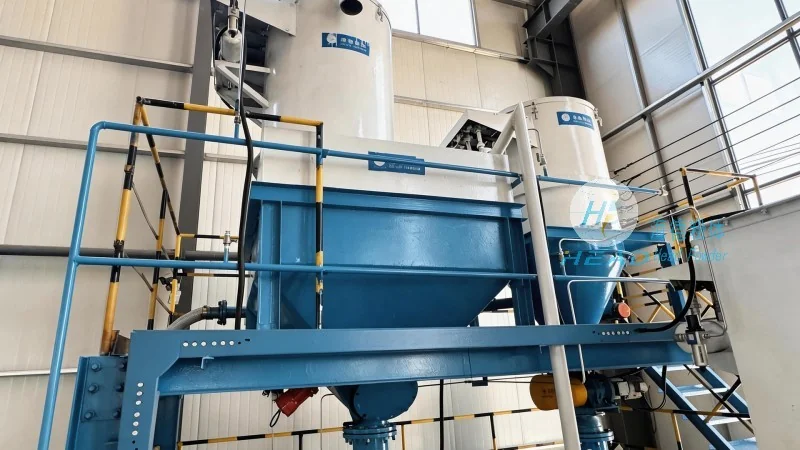
Vibratory conveyors use vibrations to move glass beads along a trough or conveyor bed. The vibrations cause the beads to move forward, often with the assistance of a sloped surface. This method is suitable for moving beads over short to medium distances and can handle a wide range of bead sizes and shapes. Vibratory conveyors are relatively simple to operate and maintain, and they can be used in various industrial settings. However, they may not be as efficient for long distances or high volumes compared to other mechanical conveyors, and the vibrations can sometimes cause wear and tear on the equipment.
Choosing the Right Transportation Method
The selection of the appropriate glass bead transportation method depends on several factors, including the volume of beads, the distance they need to be moved, the available space and infrastructure, and the specific requirements of the application. For example, gravity feed systems may be suitable for small-scale operations with short distances, while mechanical conveyors or pneumatic systems may be more appropriate for larger facilities or longer distances. It is also important to consider the cost of installation, maintenance, and energy consumption when choosing a transportation method. Additionally, the characteristics of the glass beads, such as their size, density, and shape, can influence the choice of method, as some beads may flow better in certain systems than others.
Conclusion
In conclusion, the transportation of glass beads involves a range of methods, each with its own advantages and limitations. Gravity feed systems are simple and energy-efficient for short distances, while mechanical conveyors and pneumatic systems are better suited for larger volumes and longer distances. The choice of method should be based on a careful evaluation of the specific needs of the operation, including the volume of beads, the distance to be covered, and the available resources. By selecting the appropriate transportation method, businesses can ensure the efficient and reliable handling of glass beads, which is essential for maintaining productivity and quality in industrial applications.

 Shandong Headpowder Engineering Co., Ltd.
 156-6277-7102(Quản lý Trương)
  0531-83386006
  Thành phố Tế Nam, Tỉnh Sơn Đông, Trung Quốc
Điện thoại
WeChatTư vấn
Lên đầu