Với hơn 10 năm kinh nghiệm về vận chuyển khí nén, Headpowder Sơn Đông cung cấp hệ thống, thiết bị và quạt gió toàn chuỗi, đảm nhận các dự án kỹ thuật bột trọn gói trên toàn quốc.
When it comes to the efficient and reliable transport of copper powder, selecting the right conveyance method is crucial for maintaining product quality and operational efficiency. Shandong HeadPowder Engineering Co., Ltd., a leading manufacturer based in Shandong, China, specializes in providing tailored solutions for copper powder handling. This article explores the common methods used for copper powder conveyance, highlighting their applications, advantages, and considerations.
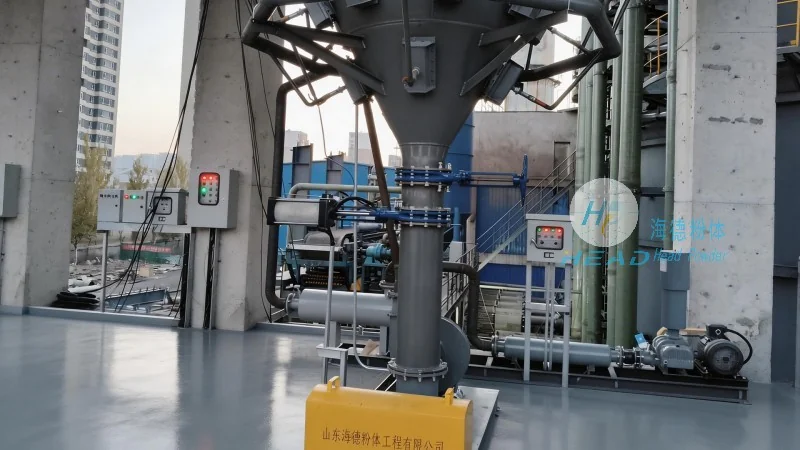
Pneumatic Conveying Systems
Pneumatic conveying is one of the most widely used methods for copper powder transport due to its ability to handle fine powders over long distances with minimal product degradation. This system utilizes compressed air or other gases to move the powder through a pipeline. There are two main types: pressure and vacuum systems. Pressure systems push the powder from a central source, while vacuum systems draw the powder into the system. The choice between them depends on factors such as the distance to be covered, the volume of material, and the need for dust control. Pneumatic conveying is particularly effective for copper powders because it minimizes contamination and allows for continuous operation, which is essential in industrial settings where consistency is paramount.
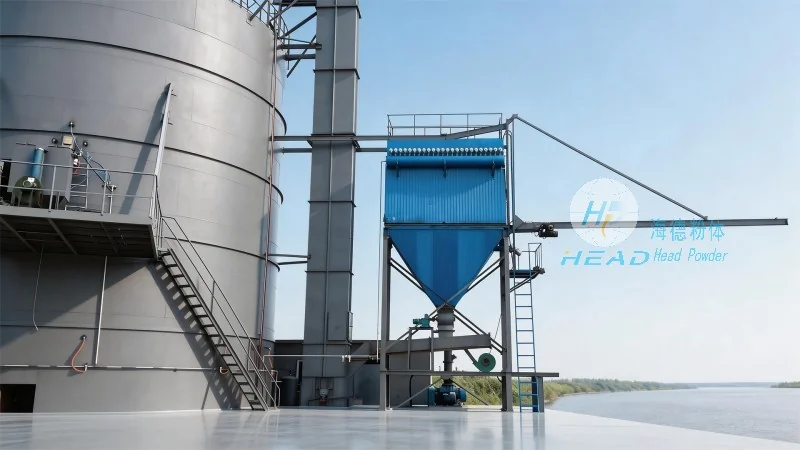
Screw Conveyors
Screw conveyors, also known as auger conveyors, are another common method for copper powder conveyance. These systems consist of a rotating helical screw inside a trough, which moves the powder forward. Screw conveyors are ideal for horizontal or slightly inclined transport and are often used in processing plants where space is limited. They are particularly suitable for copper powders that are free-flowing and non-abrasive. The design of the screw (e.g., pitch, diameter) can be customized to handle different particle sizes and flow rates. One of the key advantages of screw conveyors is their ability to mix materials, which can be beneficial in certain copper powder applications. However, they may not be as effective for very fine or cohesive powders, as these can lead to blockages or reduced efficiency.
Vibrating Conveyors
Vibrating conveyors use mechanical vibrations to move copper powder along a trough. The conveyor is typically mounted on springs and driven by an electric motor, which causes it to vibrate at a specific frequency. This vibration helps to prevent material buildup and ensures a smooth flow of the powder. Vibrating conveyors are often used for bulk material handling and are particularly effective for copper powders that are cohesive or have a tendency to stick together. They are also suitable for transporting materials over moderate distances and can be designed to handle various particle sizes. The main advantage of vibrating conveyors is their ability to handle sticky or wet copper powders without the need for additional lubrication or cleaning. However, they may require more maintenance than other systems due to the moving parts and the need to control vibration levels.
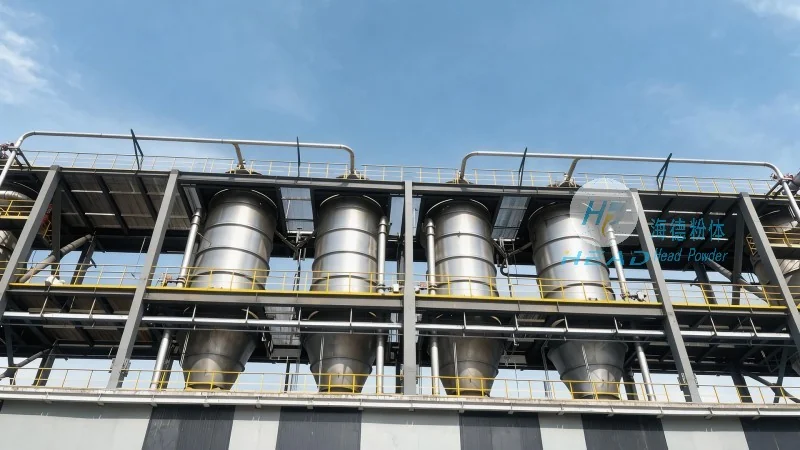
Belt Conveyors
Belt conveyors are a classic method for copper powder conveyance, especially in applications where large volumes of material need to be transported over long distances. These systems consist of a continuous belt that moves over rollers or idlers, carrying the copper powder from one point to another. Belt conveyors are highly efficient and can handle a wide range of particle sizes and flow rates. They are often used in mining and processing facilities where copper powders are extracted and processed. The key advantage of belt conveyors is their ability to transport materials at high speeds and over long distances with minimal maintenance. However, they may not be as effective for very fine powders, as these can cause the belt to wear out more quickly or lead to dust emissions. Additionally, belt conveyors require regular cleaning and maintenance to prevent material buildup and ensure smooth operation.
Hydraulic Conveying
Hydraulic conveying systems use water or other liquids to transport copper powder. The powder is mixed with the liquid to form a slurry, which is then pumped through a pipeline. This method is particularly effective for copper powders that are difficult to handle by other means, such as very fine or abrasive powders. Hydraulic conveying allows for the transport of large volumes of material over long distances with minimal energy consumption. However, it requires careful control of the slurry density and flow rate to prevent clogging or erosion of the pipeline. The main advantage of hydraulic conveying is its ability to handle high volumes of material and its low maintenance requirements. However, it may not be suitable for applications where the copper powder needs to be kept dry or where the environment is sensitive to water.

 Shandong Headpowder Engineering Co., Ltd.
 156-6277-7102(Quản lý Trương)
  0531-83386006
  Thành phố Tế Nam, Tỉnh Sơn Đông, Trung Quốc
Điện thoại
WeChatTư vấn
Lên đầu