Với hơn 10 năm kinh nghiệm về vận chuyển khí nén, Headpowder Sơn Đông cung cấp hệ thống, thiết bị và quạt gió toàn chuỗi, đảm nhận các dự án kỹ thuật bột trọn gói trên toàn quốc.
When it comes to the efficient and reliable transportation of glass fiber powder, selecting the right conveying method is crucial for industrial applications. Glass fiber powder, often used in composite materials, insulation, and other manufacturing processes, requires specialized handling to prevent dust, clogging, and material degradation. The methods employed for glass fiber powder conveyance vary based on factors such as material properties, production scale, and environmental considerations. In this article, we explore the primary methods used for glass fiber powder transportation, highlighting the expertise of Shandong HeadPowder Engineering Co., Ltd., a leading provider in the field.
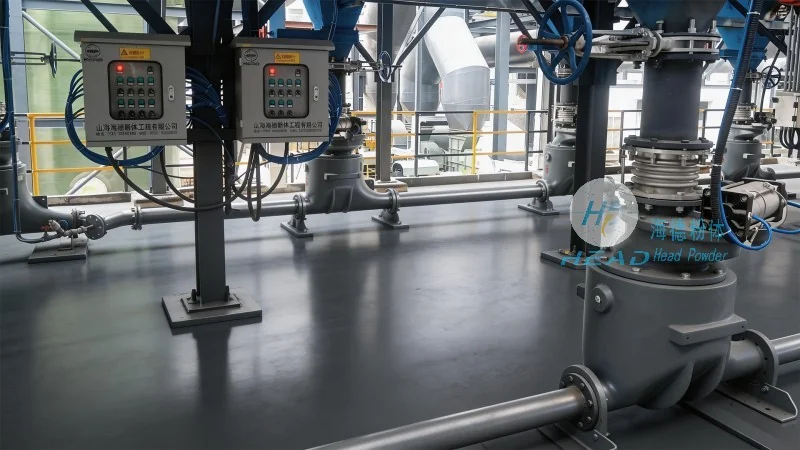
About Shandong HeadPowder Engineering Co., Ltd.
HeadPowder, the professional brand under Shandong HeadPowder Engineering Co., Ltd., specializes in the design, manufacturing, and implementation of advanced conveying systems tailored for glass fiber powder and similar fine powders. With operations based in Shandong, China, HeadPowder leverages years of industry experience to deliver customized solutions that meet the unique demands of clients across various sectors. The company’s commitment to quality, efficiency, and safety is reflected in its state-of-the-art equipment and comprehensive service offerings.
Common Conveying Methods for Glass Fiber Powder
Several methods are commonly employed for the transportation of glass fiber powder, each with distinct advantages and applications. Mechanical conveying systems, such as screw conveyors and belt conveyors, are widely used for horizontal or slight incline transport. Screw conveyors, for instance, utilize a rotating helical screw to move material through a tube, making them suitable for moderate to high volumes of glass fiber powder. These systems are relatively simple in design, requiring minimal maintenance, and are effective for handling dry, free-flowing powders. However, they may struggle with fine or cohesive powders that tend to clog or adhere to the conveyor surface. Belt conveyors, on the other hand, use a continuous belt to transport material, offering higher capacity and flexibility in terms of layout. They are particularly useful for long-distance horizontal transport and can be integrated with other processing equipment.
Air-Powered Conveying Systems
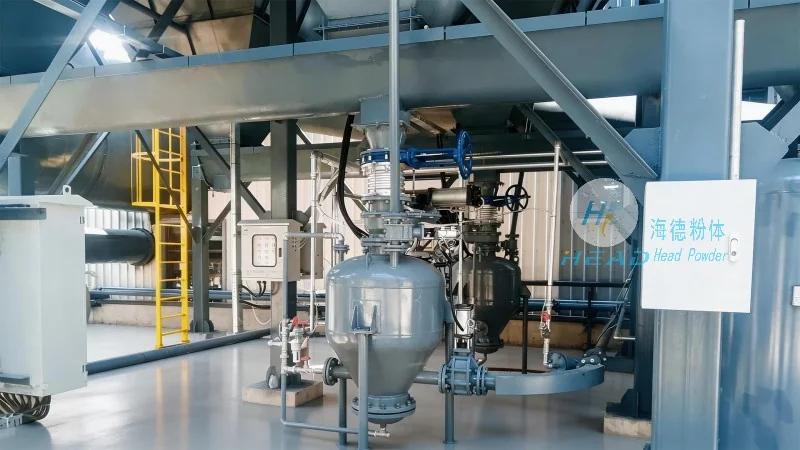
For applications requiring more flexibility, especially when dealing with fine or abrasive glass fiber powders, air-powered conveying systems are often preferred. These systems utilize compressed air or vacuum to move material through a pipeline. There are two main types: positive pressure (blow) systems and negative pressure (suction) systems. Positive pressure systems force air and material through the pipeline, while negative pressure systems draw material into the pipeline using a vacuum. Air-powered conveyors are ideal for transporting glass fiber powder over longer distances, even with vertical lifts, and can handle materials that are difficult to move mechanically. They also provide better containment of dust, reducing environmental impact and improving workplace safety. However, these systems require more energy and may need additional filtration to prevent dust accumulation in the pipeline.
Vibratory Conveying Systems
Vibratory conveyors use mechanical vibrations to move glass fiber powder along a trough. This method is particularly effective for handling cohesive or sticky powders that may clog other types of conveyors. The vibrations help to break up agglomerates and maintain a consistent flow rate. Vibratory systems are often used in combination with other equipment, such as hoppers and feeders, to ensure smooth material transfer. They are relatively low-maintenance and can be designed for both horizontal and inclined transport. However, they may not be suitable for very fine powders that are prone to dusting or for high-volume applications requiring rapid transport.
Customized Solutions from HeadPowder
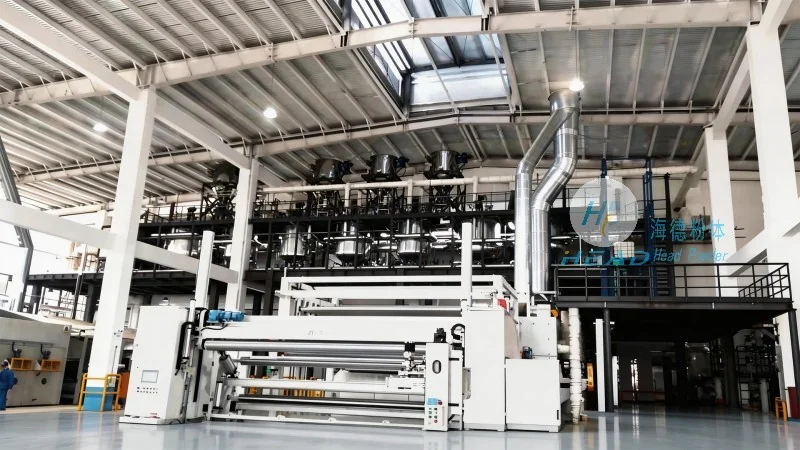
Shandong HeadPowder Engineering Co., Ltd. offers tailored glass fiber powder conveying solutions that integrate the most appropriate method based on client needs. By evaluating factors such as material characteristics, production capacity, and operational environment, HeadPowder engineers design systems that maximize efficiency, minimize downtime, and ensure compliance with safety and environmental regulations. The company’s expertise in mechanical and air-powered conveying systems, combined with its commitment to quality, makes it a trusted partner for businesses seeking reliable glass fiber powder transportation solutions. Whether for small-scale laboratory applications or large-scale industrial production, HeadPowder provides comprehensive support from system design to installation and maintenance, ensuring optimal performance and longevity of the conveying equipment.

 Shandong Headpowder Engineering Co., Ltd.
 156-6277-7102(Quản lý Trương)
  0531-83386006
  Thành phố Tế Nam, Tỉnh Sơn Đông, Trung Quốc
Điện thoại
WeChatTư vấn
Lên đầu