Với hơn 10 năm kinh nghiệm về vận chuyển khí nén, Headpowder Sơn Đông cung cấp hệ thống, thiết bị và quạt gió toàn chuỗi, đảm nhận các dự án kỹ thuật bột trọn gói trên toàn quốc.
Understanding the methods used to transport battery positive electrode materials is crucial for optimizing production efficiency and ensuring material integrity in the manufacturing process. As a leading provider in the field, Shandong HeadPowder Engineering Co., Ltd. specializes in advanced material handling solutions tailored to the unique requirements of battery manufacturing. This article explores the primary transportation methods employed in the industry, highlighting the technical aspects and practical applications of each approach.
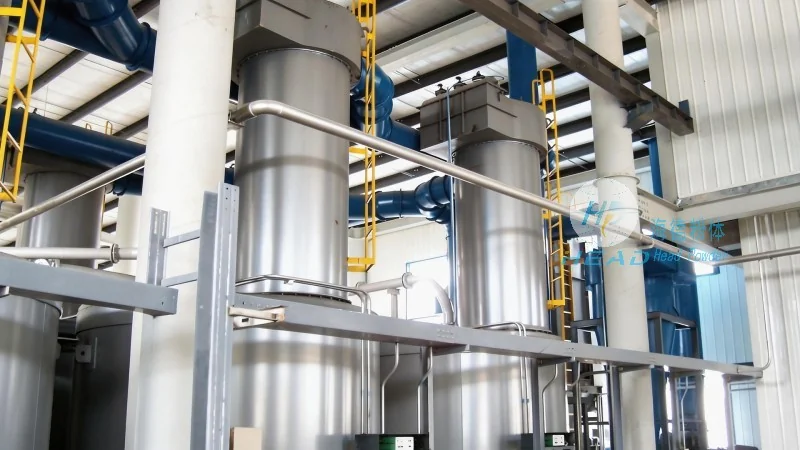
Overview of Transportation Methods for Battery Positive Electrode Materials
Battery positive electrode materials, such as lithium cobalt oxide (LCO), lithium iron phosphate (LFP), and nickel manganese cobalt oxide (NMC), require precise handling to maintain their chemical stability and prevent degradation. The choice of transportation method depends on factors like material properties, production scale, and environmental considerations. Below are the most common approaches used in the industry:
Mechanical Conveying Systems
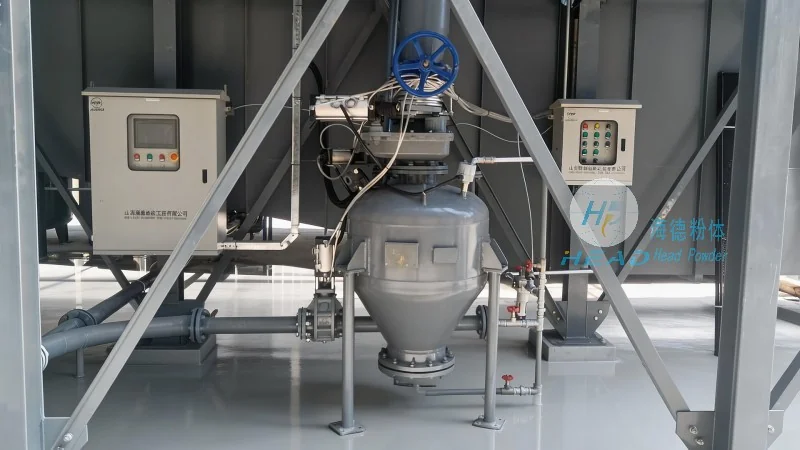
Mechanical conveying systems are widely used for transporting bulk materials in battery manufacturing. These systems typically include belt conveyors, screw conveyors, and bucket elevators. Belt conveyors are particularly effective for moving large quantities of electrode powders over short to medium distances. They offer high capacity and are suitable for handling dry, free-flowing materials. Screw conveyors, on the other hand, are ideal for vertical or inclined transport, providing consistent flow and minimal material degradation. For applications requiring precise control, such as feeding mixers or extruders, screw conveyors are often preferred. Mechanical systems are generally low-cost and easy to maintain, making them a popular choice for many manufacturers.
Air-Pressure Conveying (Pneumatic Conveying)
Air-pressure conveying, or pneumatic conveying, uses compressed air to transport materials through a pipeline. This method is highly efficient for moving fine powders and can handle both low and high concentrations of material. There are two main types: pressure and vacuum systems. Pressure systems push material through the pipeline using positive pressure, while vacuum systems draw material in using negative pressure. Pneumatic conveying offers advantages like enclosed transport, which minimizes dust exposure and environmental impact. It also allows for long-distance transport and can integrate with other processing equipment, such as mixers and dryers. However, it requires careful design to prevent material blockages and ensure consistent air flow. Shandong HeadPowder Engineering Co., Ltd. has expertise in designing pneumatic conveying systems tailored to the specific characteristics of battery electrode materials, ensuring reliable and efficient transport.
Vacuum Conveying Systems
Vacuum conveying systems are another common method for transporting fine powders, especially in applications where dust control is critical. These systems use a vacuum to draw material from a hopper or storage bin into a collection vessel. The process is typically gentle on the material, reducing the risk of agglomeration or degradation. Vacuum conveyors are often used for short to medium distances and are suitable for handling materials that are prone to caking or bridging. They are particularly effective for transporting materials from multiple sources to a central processing unit. The design of vacuum systems involves careful consideration of the material's flow properties and the required vacuum level to ensure smooth operation. As a company with deep industry experience, Shandong HeadPowder Engineering Co., Ltd. provides vacuum conveying solutions that meet the stringent requirements of battery material handling.
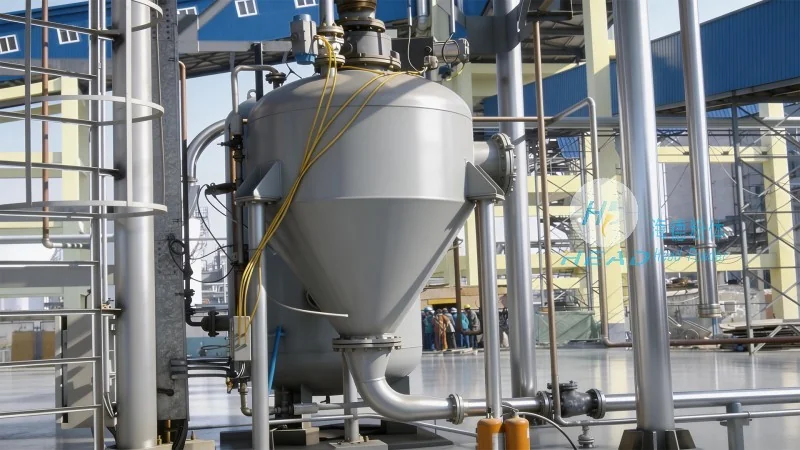
Hybrid Conveying Solutions
In some cases, manufacturers opt for hybrid conveying systems that combine mechanical and pneumatic methods to leverage the strengths of both approaches. For example, a system might use a screw conveyor to feed material into a pneumatic pipeline, or a belt conveyor to transport material to a vacuum receiver. Hybrid solutions offer flexibility and can be adapted to changing production needs. They are particularly useful in complex manufacturing environments where multiple material streams need to be integrated. Shandong HeadPowder Engineering Co., Ltd. specializes in designing hybrid conveying systems that optimize material flow, reduce downtime, and enhance overall production efficiency. By integrating advanced control technologies, these systems can also provide real-time monitoring of material levels and flow rates, ensuring consistent performance.
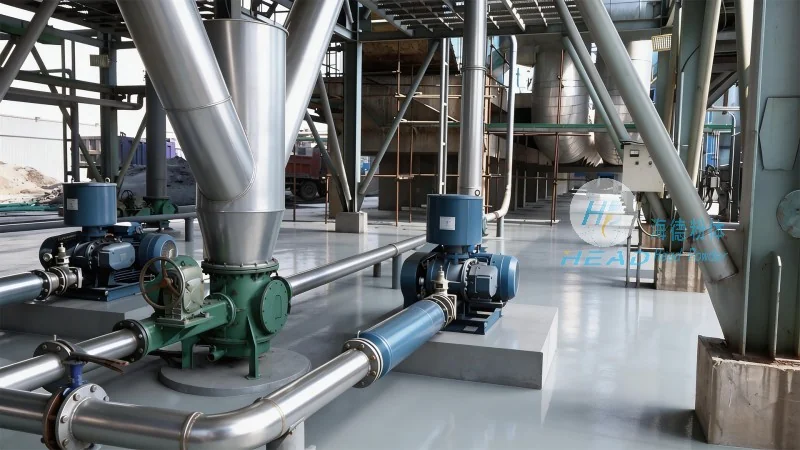
Key Considerations for Material Handling
When selecting a transportation method for battery positive electrode materials, several factors must be considered to ensure optimal performance and material integrity. First, the material's physical properties, such as particle size, moisture content, and flowability, play a critical role. Materials with high moisture content or poor flowability may require specialized equipment, such as vibratory feeders or pre-drying systems, to improve their handling characteristics. Second, the scale of production and the distance over which materials need to be transported influence the choice of system. Large-scale operations may benefit from pneumatic or hybrid systems, while smaller facilities might use mechanical conveyors. Third, environmental and safety regulations must be adhered to, as many battery materials are sensitive to moisture and can be hazardous if not handled properly. Enclosed systems, such as those used in pneumatic conveying, help minimize dust emissions and protect workers from exposure. Shandong HeadPowder Engineering Co., Ltd. takes these considerations into account when designing material handling solutions, ensuring that each system is tailored to the specific needs of the client.
Conclusion
Transporting battery positive electrode materials efficiently and safely is essential for the success of battery manufacturing operations. Whether using mechanical, pneumatic, or vacuum systems, or a combination of these methods, the goal is to maintain material quality while optimizing production processes. Shandong HeadPowder Engineering Co., Ltd. offers comprehensive material handling solutions that address the unique challenges of battery electrode materials. With a focus on innovation and customer satisfaction, the company provides reliable and efficient transportation systems that help manufacturers improve productivity and meet industry standards. By understanding the various transportation methods and selecting the appropriate system, battery manufacturers can enhance their operational efficiency and ensure the consistent quality of their products.

 Shandong Headpowder Engineering Co., Ltd.
 156-6277-7102(Quản lý Trương)
  0531-83386006
  Thành phố Tế Nam, Tỉnh Sơn Đông, Trung Quốc
Điện thoại
WeChatTư vấn
Lên đầu