Với hơn 10 năm kinh nghiệm về vận chuyển khí nén, Headpowder Sơn Đông cung cấp hệ thống, thiết bị và quạt gió toàn chuỗi, đảm nhận các dự án kỹ thuật bột trọn gói trên toàn quốc.
Gypsum powder, a widely used material in construction and industrial applications, requires efficient and reliable conveying systems to ensure smooth material handling. Traditional methods such as belt conveyors or manual handling have limitations in terms of dust control, material loss, and operational efficiency. This article explores common gypsum powder conveying methods and highlights the advantages of HeadPowder's pneumatic conveying solutions.
Traditional Gypsum Powder Conveying Methods
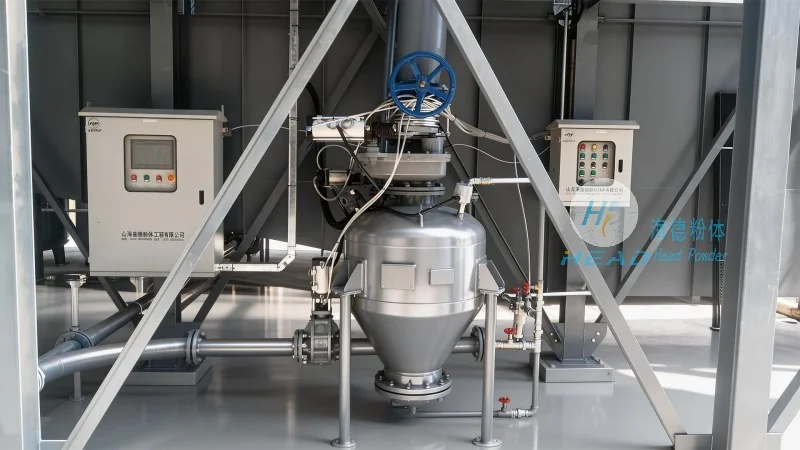
Historically, gypsum powder has been transported using various conventional methods. One common approach is the use of belt conveyors, which are suitable for horizontal or slightly inclined transport. However, belt conveyors often suffer from issues like material buildup, dust generation, and the need for regular maintenance. Another traditional method involves the use of screw conveyors, which are effective for vertical or inclined transport but can lead to material degradation and increased wear on components. Manual handling, while simple, is highly inefficient and poses significant health risks due to dust exposure.
HeadPowder's Pneumatic Conveying System: Advantages and Features
HeadPowder, a leading manufacturer based in Shandong, China, offers advanced pneumatic conveying systems tailored for gypsum powder applications. The company's solutions are designed to address the challenges associated with traditional conveying methods, providing superior performance and reliability. Key advantages of HeadPowder's pneumatic conveying system include:
Efficient Dust Control: The system utilizes enclosed pipelines and filtration systems to minimize dust emissions, ensuring a cleaner working environment and compliance with environmental regulations.
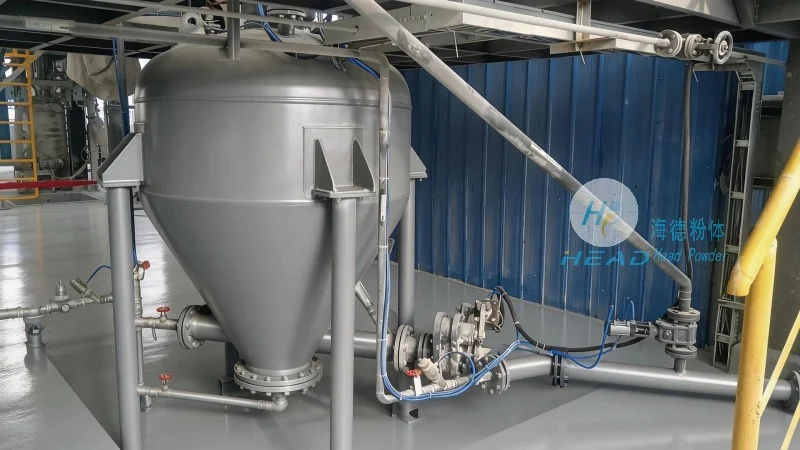
Reduced Material Loss: Pneumatic conveying minimizes material spillage and loss during transport, leading to cost savings and improved material utilization.
Versatile Application: The system can handle both dry and slightly moist gypsum powders, adapting to various production and processing requirements.
Low Maintenance: With fewer moving parts compared to mechanical conveyors, the pneumatic system requires less maintenance, reducing downtime and operational costs.
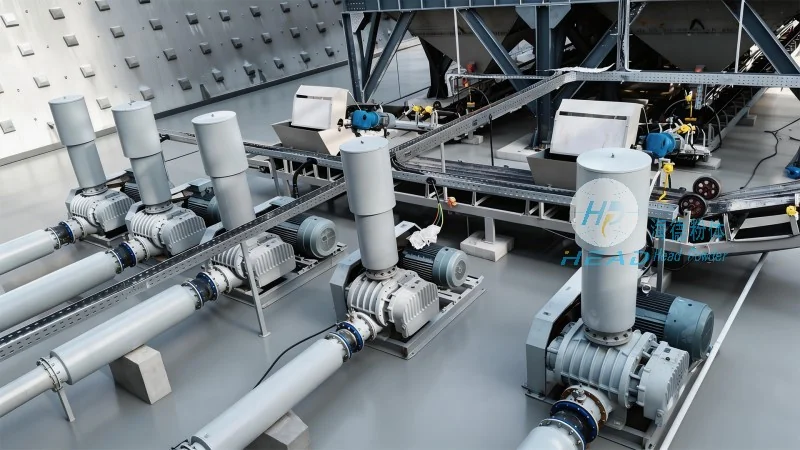
Energy Efficiency: Advanced design and optimized air flow management contribute to energy-efficient operation, lowering long-term operational expenses.
Technical Specifications and Customization Options
HeadPowder's pneumatic conveying systems are customizable to meet specific customer needs. The company offers a range of components, including positive displacement blowers, cyclone separators, and material feeders, which can be tailored to the unique characteristics of gypsum powder. Technical specifications such as air pressure, flow rate, and system size are designed to optimize performance while ensuring compatibility with existing production lines. The systems are also equipped with safety features like pressure relief valves and overcurrent protection to ensure safe operation.
Conclusion
For businesses dealing with gypsum powder, selecting the right conveying method is crucial for operational efficiency and cost-effectiveness. HeadPowder's pneumatic conveying system provides a superior alternative to traditional methods, offering enhanced performance, reduced maintenance, and improved safety. As a trusted manufacturer based in Shandong, China, HeadPowder continues to deliver innovative solutions that meet the evolving needs of the industry.

 Shandong Headpowder Engineering Co., Ltd.
 156-6277-7102(Quản lý Trương)
  0531-83386006
  Thành phố Tế Nam, Tỉnh Sơn Đông, Trung Quốc
Điện thoại
WeChatTư vấn
Lên đầu