Với hơn 10 năm kinh nghiệm về vận chuyển khí nén, Headpowder Sơn Đông cung cấp hệ thống, thiết bị và quạt gió toàn chuỗi, đảm nhận các dự án kỹ thuật bột trọn gói trên toàn quốc.
Organic fertilizer is a vital component in contemporary agricultural practices, supplying essential nutrients to soil and fostering sustainable crop growth. The efficient and reliable transport of organic fertilizer from production sites to application areas is a critical factor in optimizing agricultural operations. Various methods are utilized for conveying organic fertilizer, each with its own set of advantages and limitations. This article explores the different organic fertilizer conveying methods, with a particular focus on the advantages and features of pneumatic conveying, a technology widely recognized for its efficiency and adaptability.
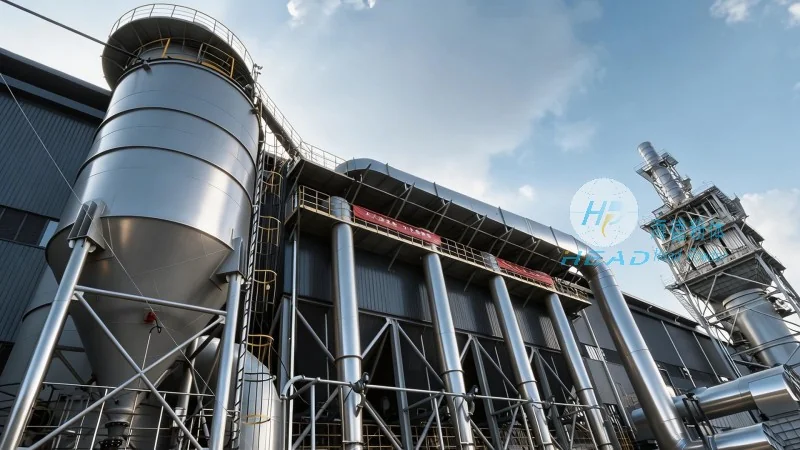
Understanding Organic Fertilizer Conveying Methods
Organic fertilizer, such as compost, manure, and other biodegradable nutrient sources, requires specialized handling due to its physical properties. Traditional conveying methods include mechanical systems like belt conveyors, screw conveyors, and bucket elevators. These methods are effective for certain applications but may encounter challenges with the variability in organic fertilizer consistency and the need for gentle handling to prevent degradation. Additionally, these systems often demand significant space and may be less suitable for long-distance or complex routing requirements.
Pneumatic Conveying: A Modern Solution for Organic Fertilizer Transport
Pneumatic conveying, also known as air conveying, is a technology that uses a stream of air to transport bulk materials through a pipeline system. This method is particularly well-suited for organic fertilizers due to its ability to handle materials with varying particle sizes and moisture content without causing damage. The core components of a pneumatic conveying system include a material feed hopper, a conveying pipeline, a fan or blower to generate the air flow, and a discharge point. The system can operate in either pressure or vacuum mode, depending on the specific application requirements.
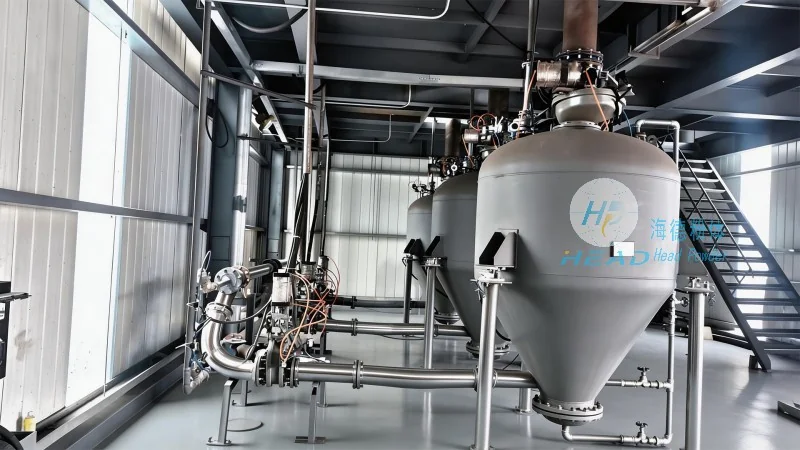
Key Advantages of Pneumatic Conveying for Organic Fertilizer
One of the primary advantages of pneumatic conveying is its ability to handle organic fertilizers with minimal degradation. Unlike mechanical systems that may cause compaction or breakage of organic matter, pneumatic systems maintain the integrity of the material, preserving its nutrient content and quality. This is critical for organic fertilizers, as their effectiveness is directly linked to the preservation of microbial activity and nutrient availability. Additionally, pneumatic conveying offers high transport efficiency, allowing for the movement of large volumes of material over long distances with minimal energy consumption compared to traditional methods.
Flexibility and Adaptability in Conveying Systems
Pneumatic conveying systems are highly flexible and can be easily integrated into existing agricultural infrastructure. They can be configured to handle complex routing requirements, including vertical and horizontal transport, as well as multiple discharge points. This adaptability makes them suitable for a wide range of applications, from small-scale farm operations to large industrial fertilizer production facilities. The modular design of pneumatic conveying systems also allows for easy expansion or modification as operational needs change, providing long-term cost-effectiveness.
Operational Efficiency and Maintenance Considerations
Efficiency is a significant benefit of pneumatic conveying systems. By using air as the conveying medium, these systems can transport organic fertilizer with less mechanical wear and lower maintenance requirements compared to traditional mechanical systems. The absence of moving parts in the pipeline reduces the risk of material blockages and wear, leading to lower downtime and operational costs. Furthermore, pneumatic systems can be equipped with advanced control technologies, such as variable frequency drives and real-time monitoring, to optimize performance and ensure consistent material flow.
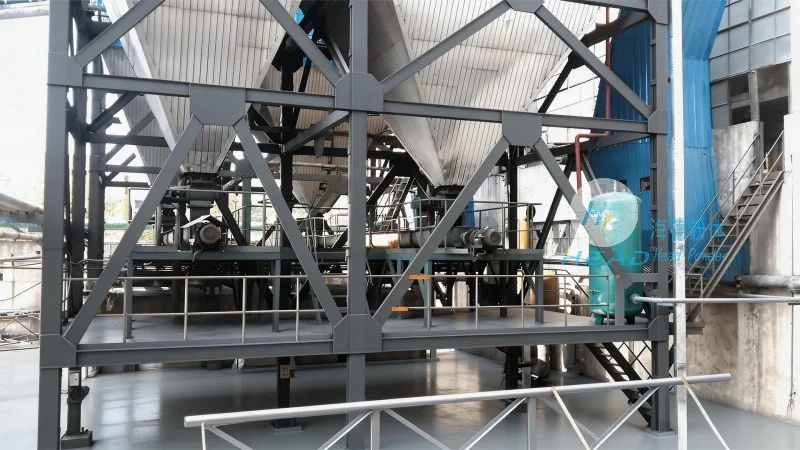
Environmental and Sustainability Benefits
From an environmental perspective, pneumatic conveying offers several sustainability advantages. By reducing the need for additional equipment and minimizing material handling steps, these systems lower the carbon footprint associated with fertilizer transport. The gentle handling of organic fertilizers also helps preserve the natural microbial populations within the material, contributing to soil health and reducing the need for synthetic additives. This aligns with the growing emphasis on sustainable agricultural practices and the demand for eco-friendly fertilizer management solutions.
Conclusion: The Role of Pneumatic Conveying in Modern Organic Fertilizer Management
In conclusion, pneumatic conveying represents a highly effective and efficient method for transporting organic fertilizers. Its ability to handle diverse material properties, maintain product quality, and adapt to various operational requirements makes it a preferred choice for modern agricultural operations. As the demand for organic fertilizers continues to grow, the adoption of advanced conveying technologies like pneumatic systems will play a crucial role in ensuring the sustainable and efficient management of these vital agricultural resources. The expertise and solutions provided by companies such as Shandong HeadPowder Engineering Co., Ltd. are instrumental in advancing these technologies and supporting the agricultural industry's transition toward more sustainable practices.

 Shandong Headpowder Engineering Co., Ltd.
 156-6277-7102(Quản lý Trương)
  0531-83386006
  Thành phố Tế Nam, Tỉnh Sơn Đông, Trung Quốc
Điện thoại
WeChatTư vấn
Lên đầu