Với hơn 10 năm kinh nghiệm về vận chuyển khí nén, Headpowder Sơn Đông cung cấp hệ thống, thiết bị và quạt gió toàn chuỗi, đảm nhận các dự án kỹ thuật bột trọn gói trên toàn quốc.
When it comes to the efficient and reliable transportation of potassium sulfate, a well-designed pneumatic conveying system is crucial. This article from Shandong HeadPowder Engineering Co., Ltd. provides a comprehensive guide on how to design a reasonable plan for such a system, ensuring optimal performance and minimal operational issues.
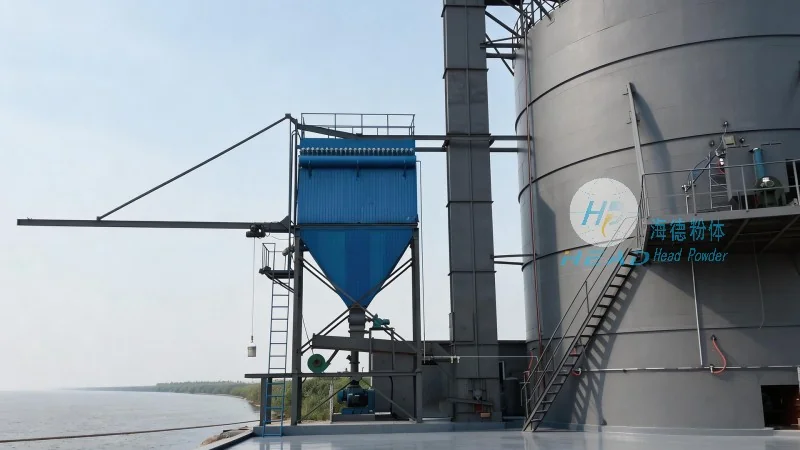
Understanding the Core Principles of Pneumatic Conveying Systems
Pneumatic conveying systems use air or other gases to transport bulk materials like potassium sulfate. The design of these systems involves several key principles that must be carefully considered to ensure efficiency and safety. The first step is to determine the appropriate conveying method, as different systems are suited for various material properties and distances. For potassium sulfate, which is typically a fine or granular material, a positive pressure system is often preferred due to its ability to handle high material loads and maintain consistent flow rates.
Key Factors in System Design for Potassium Sulfate
Several critical factors must be evaluated when designing a pneumatic conveying system for potassium sulfate. The first is the material's physical properties, including particle size, density, and flowability. These characteristics directly impact the air velocity required to move the material through the system. For example, finer particles may require higher air velocities to prevent clogging or deposition in the pipes. Additionally, the system's capacity and the distance over which the material needs to be conveyed are essential considerations. The design must ensure that the system can handle the expected throughput without excessive energy consumption or pressure drops.
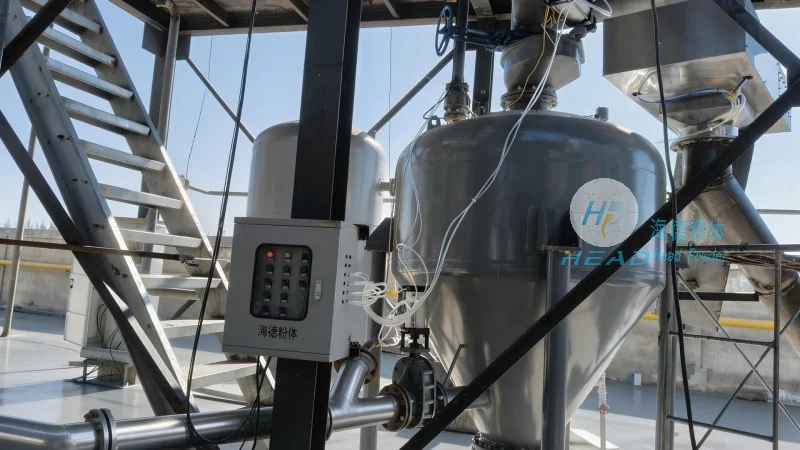
System Components and Their Role in Potassium Sulfate Conveying
A pneumatic conveying system for potassium sulfate typically consists of several key components, each playing a vital role in the overall operation. The feed hopper is the starting point, where the material is loaded and prepared for transport. It must be designed to prevent material bridging or segregation, which can affect the flow rate. The air compressor or blower provides the necessary pressure to move the material through the system. The choice of compressor type—such as rotary lobe or centrifugal—depends on the system's pressure requirements and the material's characteristics. The pipeline system, including the main and branch lines, must be carefully sized and routed to minimize pressure losses and ensure smooth material flow. The system may also include features like cyclone separators or filters to separate the material from the air and prevent contamination.
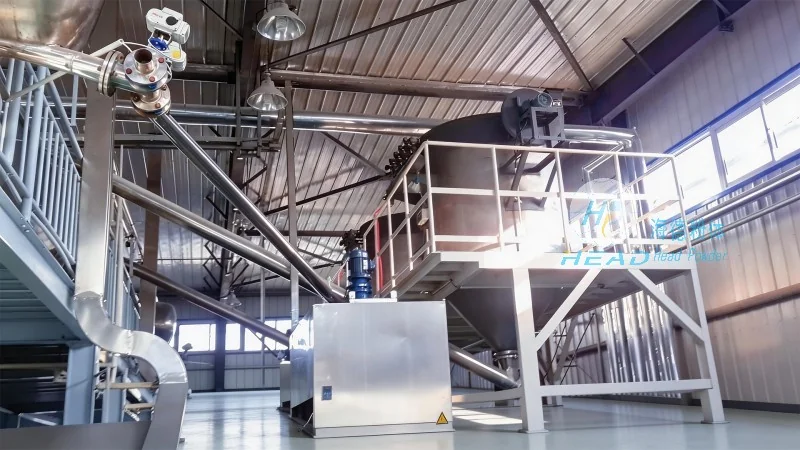
Design Considerations for Pressure and Flow Control
Effective pressure and flow control are essential for maintaining the stability and efficiency of a potassium sulfate pneumatic conveying system. The system must be designed to maintain a consistent air pressure, as fluctuations can lead to material clogging or uneven flow. This often involves using pressure regulators and control valves to adjust the air supply as needed. Flow control devices, such as orifice plates or variable speed drives, can help regulate the material flow rate, ensuring that the system operates within its optimal range. Additionally, monitoring systems, including pressure gauges and flow meters, are crucial for real-time performance tracking and troubleshooting.
Material Handling and Safety in Pneumatic Conveying
When handling potassium sulfate, safety is a top priority. The design of the system must incorporate safety features to prevent accidents and protect personnel. This includes proper ventilation to remove dust and fumes, as well as explosion-proof components if the material is prone to dust explosions. The system should also be designed to prevent material buildup, which can lead to blockages and pressure increases. Regular maintenance and cleaning procedures are essential to keep the system in good working condition and prevent issues like corrosion or wear.
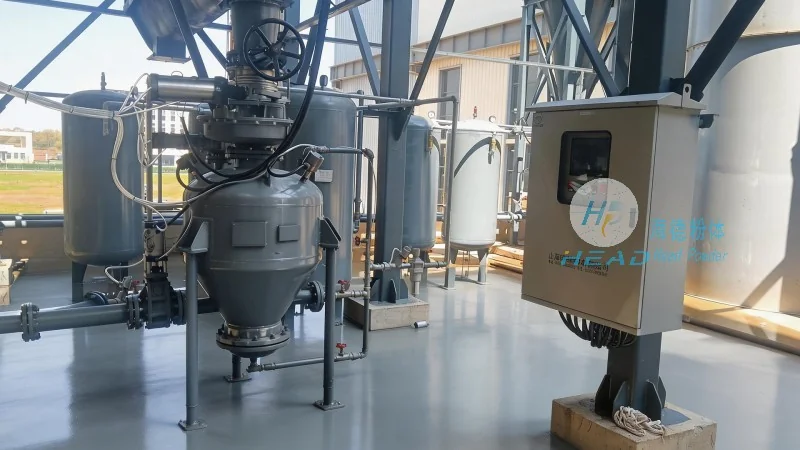
Case Study: A Successful Potassium Sulfate Pneumatic Conveying System
Shandong HeadPowder Engineering Co., Ltd. has successfully implemented several pneumatic conveying systems for potassium sulfate clients. One notable project involved designing a system for a large fertilizer manufacturer in China. The system was designed to transport potassium sulfate from a storage silo to a processing plant over a distance of 500 meters. The system used a positive pressure design with a rotary lobe compressor, and the pipeline was sized to handle the material's flow rate. The system has been in operation for over two years, with minimal downtime and high efficiency. This case study highlights the importance of proper system design and the expertise of Shandong HeadPowder Engineering Co., Ltd. in providing reliable solutions for potassium sulfate transportation.
Conclusion: Designing a Reliable Potassium Sulfate Pneumatic Conveying System
Designing a reasonable pneumatic conveying system for potassium sulfate requires a thorough understanding of the material's properties, the system's components, and the operational requirements. By carefully considering factors such as conveying method, pressure control, and safety features, a system can be designed to meet the needs of the application while ensuring efficiency and reliability. Shandong HeadPowder Engineering Co., Ltd. offers expert guidance and engineering services to help clients design and implement effective potassium sulfate pneumatic conveying systems, ensuring optimal performance and minimal operational issues.

 Shandong Headpowder Engineering Co., Ltd.
 156-6277-7102(Quản lý Trương)
  0531-83386006
  Thành phố Tế Nam, Tỉnh Sơn Đông, Trung Quốc
Điện thoại
WeChatTư vấn
Lên đầu