Với hơn 10 năm kinh nghiệm về vận chuyển khí nén, Headpowder Sơn Đông cung cấp hệ thống, thiết bị và quạt gió toàn chuỗi, đảm nhận các dự án kỹ thuật bột trọn gói trên toàn quốc.
When it comes to the efficient and reliable transportation of silicate materials, selecting the right method is crucial for industrial operations. Silicates, which include compounds like silica, alumina, and various ceramic powders, are widely used in industries such as ceramics, glass manufacturing, and chemical processing. The choice of transport method directly impacts production efficiency, material quality, and operational costs. This article provides a detailed comparison of common silicate transport methods, helping industrial professionals make informed decisions for their specific applications.
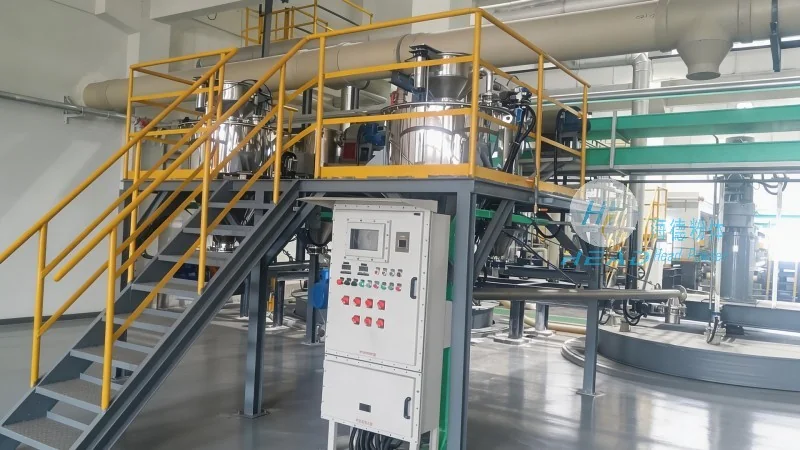
Overview of Silicate Materials and Transport Challenges
Silicate materials are typically in powder or granular form, presenting unique challenges during transportation. These challenges include preventing material segregation, minimizing dust generation, and ensuring consistent flow rates. Traditional methods like manual handling or basic conveyor systems often fall short in meeting the demands of modern industrial processes. Advanced transport solutions are therefore essential to maintain material integrity and operational efficiency.
Common Silicate Transport Methods: A Comparative Analysis
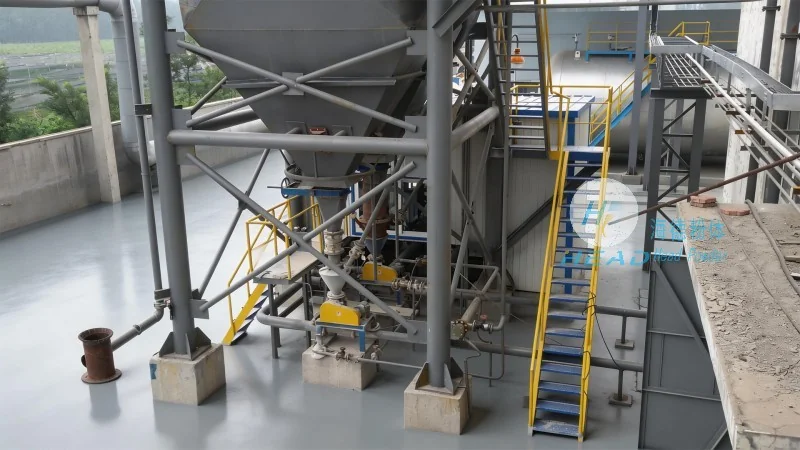
Several methods are commonly employed for silicate transport, each with distinct advantages and limitations. The selection of a method depends on factors such as material properties, production scale, and environmental considerations. Below is a detailed comparison of the most prevalent silicate transport techniques.
1. Pneumatic Conveying Systems
Pneumatic conveying is a widely used method for transporting silicate powders over short to medium distances. This technique involves using air pressure to move material through a pipeline. There are two main types: pressure and vacuum systems. Pressure systems use compressed air to push material forward, while vacuum systems use suction to draw material into the pipeline. Pneumatic conveying offers advantages such as high material handling capacity, flexibility in layout, and the ability to transport materials in closed systems, reducing dust exposure. However, it requires careful design to prevent material degradation and system blockages. The system also needs regular maintenance to ensure optimal performance.
2. Screw Conveyors
Screw conveyors, also known as auger conveyors, are another common method for silicate transport. These systems use a rotating screw to move material along a trough. Screw conveyors are suitable for horizontal or slightly inclined transport and are particularly effective for handling dry, free-flowing powders. They are relatively simple in design, making them cost-effective and easy to install. However, they have limitations in terms of material capacity and may not be suitable for very fine or cohesive powders, which can lead to blockages or uneven flow. Proper material selection and screw design are critical to avoid operational issues.
3. Belt Conveyors
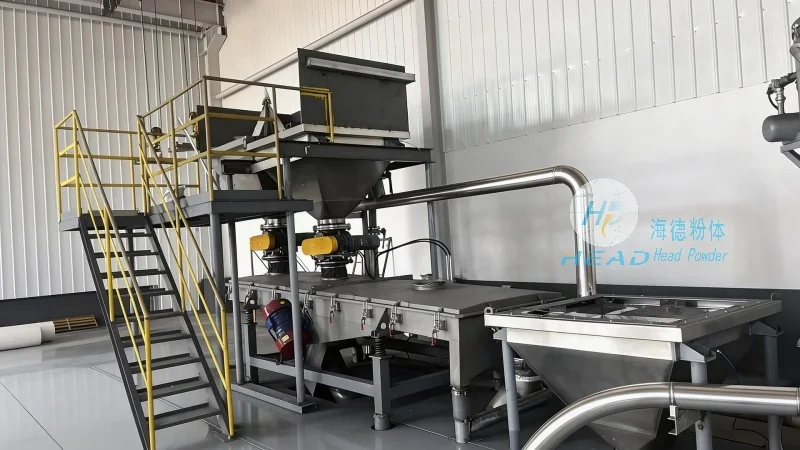
Belt conveyors are widely used in bulk material handling, including silicate transport. These systems consist of a continuous belt that moves material from one point to another. Belt conveyors are ideal for long-distance transport and can handle large volumes of material. They are robust and can operate in various environmental conditions. However, they require regular maintenance to prevent belt wear and slippage. The design must consider factors like belt tension, speed, and material loading to ensure smooth operation. Belt conveyors are particularly effective for transporting larger particles or bulkier silicate materials.
4. Hydraulic Conveying
Hydraulic conveying uses water or other fluids to transport silicate materials. This method is particularly useful for transporting fine powders over long distances. The material is suspended in the fluid and carried through pipelines. Hydraulic conveying offers advantages such as high capacity and the ability to handle abrasive materials. However, it requires additional equipment for fluid management and disposal, increasing operational complexity and costs. The system also needs to be designed to prevent material settling and ensure efficient separation of the material from the fluid.
5. Vibratory Conveyors
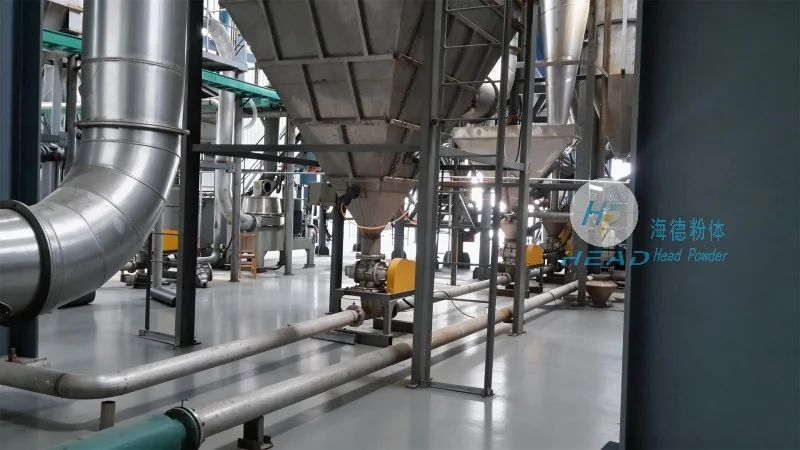
Vibratory conveyors use vibration to move silicate materials along a trough. These systems are effective for handling cohesive or sticky powders that may cause blockages in other systems. The vibration helps maintain material flow and prevents material buildup. Vibratory conveyors are relatively low-maintenance and can operate continuously without frequent stops. However, they may not be suitable for very fine powders, as excessive vibration can cause particle degradation. The design of the vibratory system, including the frequency and amplitude of vibration, is crucial for optimal performance.
Key Considerations for Selecting a Silicate Transport Method
When choosing a silicate transport method, several factors must be considered to ensure the best fit for the application. First, the physical properties of the silicate material, such as particle size, density, and flowability, play a significant role. Materials with high moisture content or cohesive properties may require specialized equipment like vibratory or pneumatic systems. Second, the scale of operation and the distance over which material needs to be transported are important. For short distances, screw or belt conveyors may be sufficient, while pneumatic or hydraulic systems are better for longer distances. Third, environmental and safety considerations are critical. Systems that minimize dust generation and exposure, such as enclosed pneumatic conveyors, are preferred in many industrial settings. Finally, the cost of installation, operation, and maintenance must be evaluated. While some methods may have lower initial costs, they may result in higher long-term expenses due to maintenance or material degradation.
Conclusion
Choosing the right silicate transport method is essential for optimizing industrial processes and ensuring material quality. Each method has its strengths and limitations, and the selection should be based on a thorough analysis of material properties, operational requirements, and cost factors. By understanding the comparative advantages of different transport systems, industrial professionals can make informed decisions that enhance efficiency, reduce costs, and improve overall operational performance. For more information on silicate transport solutions, contact Shandong HeadPowder Engineering Co., Ltd., a leading provider of industrial material handling equipment.

 Shandong Headpowder Engineering Co., Ltd.
 156-6277-7102(Quản lý Trương)
  0531-83386006
  Thành phố Tế Nam, Tỉnh Sơn Đông, Trung Quốc
Điện thoại
WeChatTư vấn
Lên đầu