Với hơn 10 năm kinh nghiệm về vận chuyển khí nén, Headpowder Sơn Đông cung cấp hệ thống, thiết bị và quạt gió toàn chuỗi, đảm nhận các dự án kỹ thuật bột trọn gói trên toàn quốc.
When it comes to managing fly ash, an essential byproduct of coal-fired power plants, selecting the right conveying method is critical for efficiency, safety, and cost-effectiveness. Fly ash, a fine powder composed of inorganic materials, must be transported from the boiler to storage or disposal sites with precision and reliability. This article provides a detailed comparison of common fly ash conveying methods, highlighting their advantages, disadvantages, and applications, with a focus on the expertise of Shandong HeadPowder Engineering Co., Ltd. (HeadPowder), a leading provider of industrial conveying solutions.
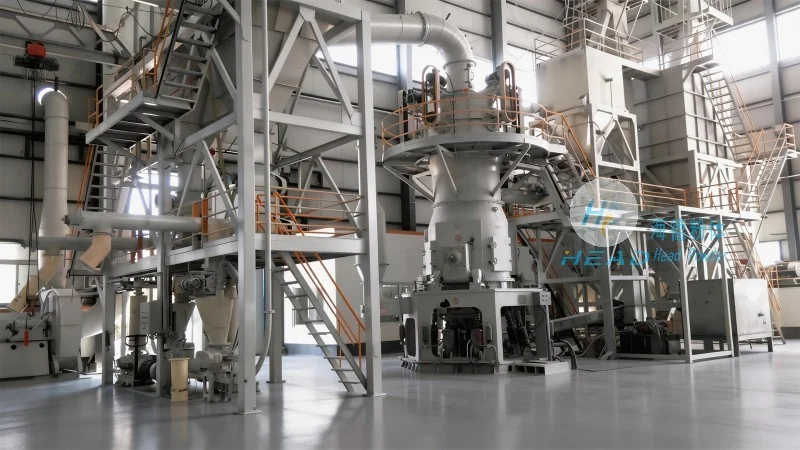
Understanding Fly Ash and Conveying Challenges
Fly ash, also known as pulverized fuel ash (PFA), is a fine particulate matter generated during the combustion of coal. It poses unique challenges for transportation due to its high moisture content, abrasive nature, and potential for dust generation. Traditional methods often struggle with material buildup, clogging, and environmental compliance. Modern conveying systems must address these challenges while ensuring minimal emissions and operational efficiency. HeadPowder specializes in designing and implementing customized solutions tailored to the specific needs of power plants and industrial facilities.
Common Fly Ash Conveying Methods
Several methods are widely used for fly ash transportation, each with distinct characteristics suited to different operational requirements. The primary options include pneumatic conveying, mechanical conveying, and hybrid systems. Each method has its own set of advantages and limitations, which are discussed below.
Pneumatic Conveying Systems
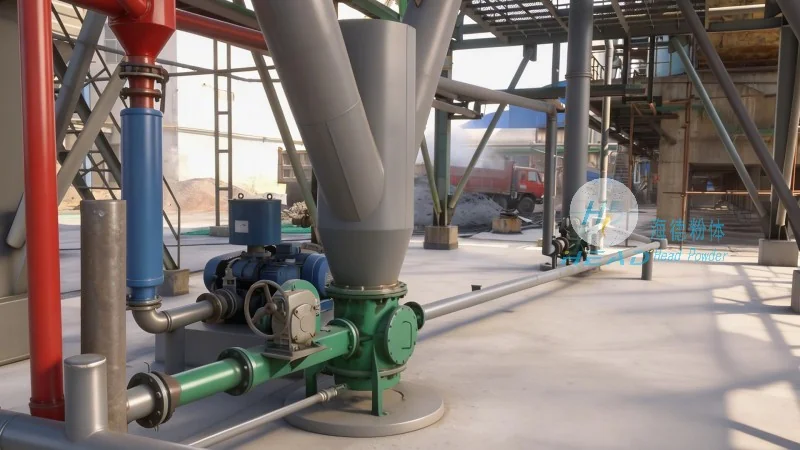
Pneumatic conveying uses air pressure to transport fly ash through a pipeline. This method is highly effective for long-distance transport and can handle both dry and wet ash, depending on the system design. There are two main types: positive displacement and negative pressure (or vacuum) systems. Positive displacement systems use a pump to force air and ash through the pipeline, ensuring consistent flow and preventing clogging. Negative pressure systems, on the other hand, create a vacuum to draw ash into the pipeline, which is suitable for short distances and lower material loads. HeadPowder offers advanced pneumatic conveying solutions that incorporate high-efficiency filters and variable speed drives to optimize performance and reduce energy consumption.
Mechanical Conveying Systems
Mechanical conveying relies on physical components such as belts, screws, and buckets to move fly ash. The most common types are belt conveyors and screw conveyors. Belt conveyors are ideal for horizontal or slightly inclined transport over long distances, with the ability to handle large volumes of material. Screw conveyors, also known as augers, are suitable for vertical or inclined transport and can operate in enclosed or semi-enclosed environments. These systems are generally more cost-effective for short to medium distances and are less susceptible to material variability compared to pneumatic systems. However, they may require more maintenance and are prone to wear from abrasive fly ash.
Hybrid Conveying Systems
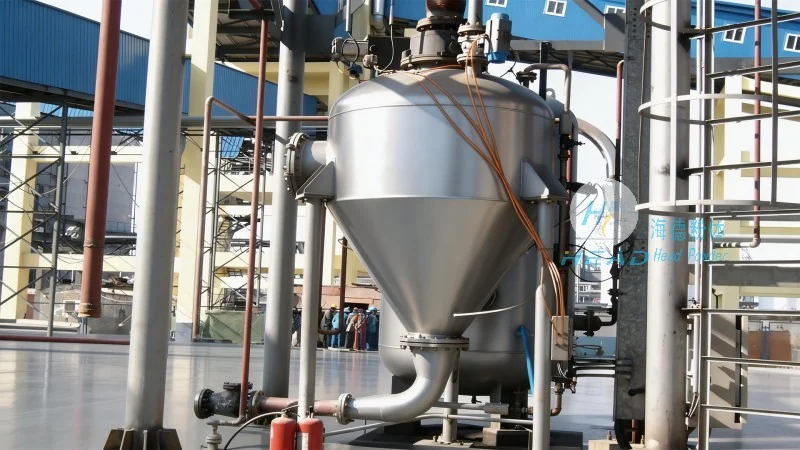
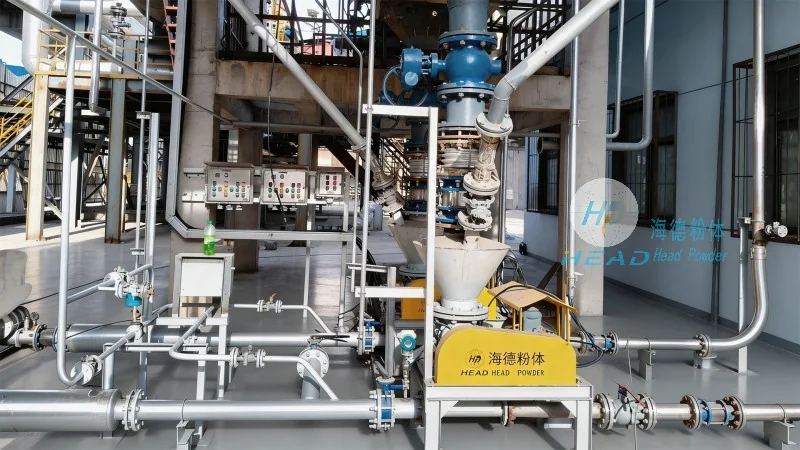
Hybrid systems combine elements of both pneumatic and mechanical conveying to leverage the strengths of each method. For example, a system might use a screw conveyor to feed material into a pneumatic pipeline, or a belt conveyor to transport ash to a vacuum receiver. This approach allows for flexibility in handling varying ash characteristics and operational conditions. HeadPowder specializes in designing hybrid solutions that optimize material flow, reduce energy costs, and enhance overall system reliability.
Key Considerations for Choosing a Conveying Method
The choice of fly ash conveying method depends on several factors, including the distance of transport, the volume of ash to be handled, the ash's physical properties (such as moisture content and particle size), and the available space and budget. Pneumatic systems are generally preferred for long distances and high-volume transport, while mechanical systems are more suitable for shorter distances and lower material loads. Environmental regulations and safety requirements also play a critical role, as systems must minimize dust emissions and ensure worker safety. HeadPowder provides comprehensive consulting services to help clients evaluate these factors and select the most appropriate conveying method for their specific application.
Advantages and Disadvantages of Each Method
Each fly ash conveying method has distinct advantages and disadvantages that must be carefully weighed. Pneumatic systems offer advantages such as high capacity, flexibility, and the ability to transport ash over long distances without the need for multiple transfer points. However, they require significant energy input and may be more expensive to install and maintain. Mechanical systems are generally more cost-effective for short distances and have lower energy consumption, but they may suffer from material buildup and wear over time. Hybrid systems provide a balance between the two, offering flexibility and efficiency while addressing the limitations of each individual method. HeadPowder's expertise lies in customizing these systems to meet the unique needs of each client, ensuring optimal performance and long-term reliability.

 Shandong Headpowder Engineering Co., Ltd.
 156-6277-7102(Quản lý Trương)
  0531-83386006
  Thành phố Tế Nam, Tỉnh Sơn Đông, Trung Quốc
Điện thoại
WeChatTư vấn
Lên đầu