Với hơn 10 năm kinh nghiệm về vận chuyển khí nén, Headpowder Sơn Đông cung cấp hệ thống, thiết bị và quạt gió toàn chuỗi, đảm nhận các dự án kỹ thuật bột trọn gói trên toàn quốc.
Magnesium hydroxide, a widely used chemical in industrial applications, presents unique challenges when it comes to material handling and transportation. Its fine particle size, hygroscopic nature, and potential for dust generation make conventional conveying methods less effective. Proper selection of a conveying system is crucial to ensure efficiency, safety, and product integrity. This article explores common conveying methods for magnesium hydroxide, with a focus on air-driven systems.
Common Conveying Methods for Magnesium Hydroxide
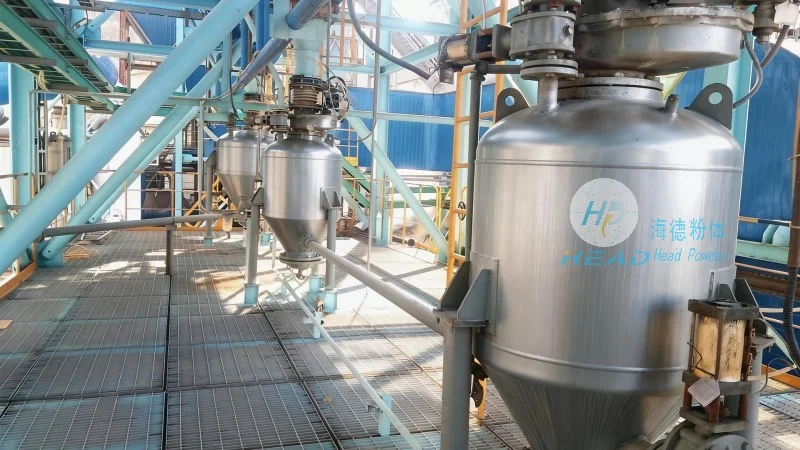
Several methods are employed to transport magnesium hydroxide, each with its own advantages and limitations. The choice of method depends on factors such as material properties, distance, and operational requirements.
- **Mechanical Conveying Systems**: These include screw conveyors, belt conveyors, and bucket elevators. While effective for bulk materials, they may struggle with fine, dusty powders like magnesium hydroxide, leading to blockages and reduced efficiency.
- **Gravity Conveying**: This method relies on the natural flow of material down a sloped pipe or chute. It is simple and low-cost but is limited by the angle of repose and the need for a suitable layout, making it less suitable for long-distance or complex routes.
- **Air-Driven Conveying**: This is a specialized method that uses compressed air to transport powders through a pipeline. It offers high efficiency, flexibility, and the ability to handle fine powders without the need for mechanical parts in contact with the material.
Air-Driven Conveying: A Detailed Overview
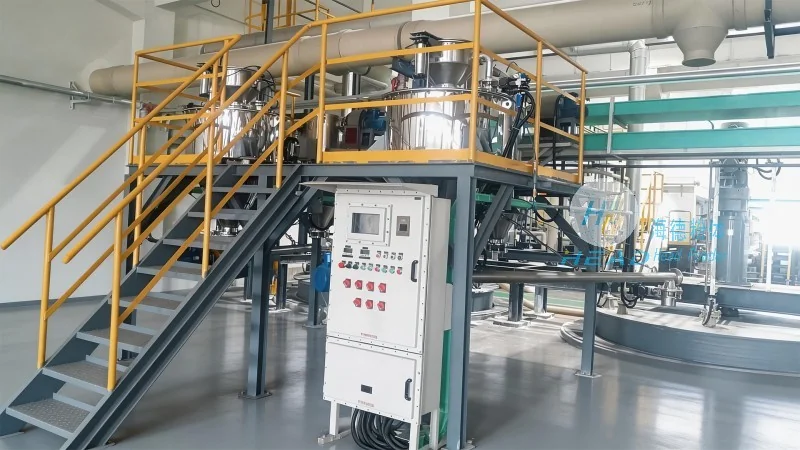
Air-driven conveying, also known as pneumatic conveying, is particularly well-suited for magnesium hydroxide due to its fine particle characteristics. This system operates by introducing compressed air into a hopper or storage vessel, creating a flow that propels the material through a pipeline to the destination. There are two main types of air-driven systems: dilute-phase and dense-phase.
- **Dilute-Phase Conveying**: In this method, the material is suspended in a high-velocity air stream, allowing for long-distance transport (up to several kilometers). It is suitable for low to medium bulk densities and is efficient for transporting fine powders.
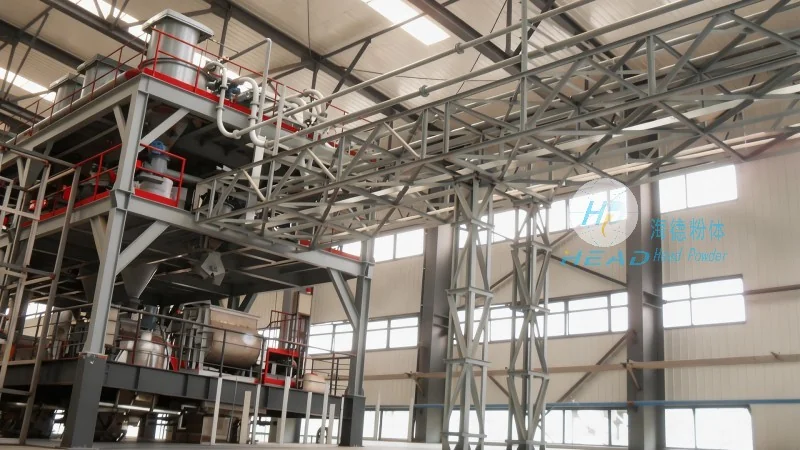
- **Dense-Phase Conveying**: This approach uses lower air velocities to move material in a more concentrated stream, reducing the risk of product degradation and ensuring a more stable flow. It is ideal for materials that are sensitive to high velocities or for applications requiring precise control over the material's velocity.
The air-driven system for magnesium hydroxide typically includes components such as a hopper, rotary valve, air compressor, filter, and receiver. The rotary valve ensures a controlled release of material into the pipeline, while the air compressor provides the necessary pressure. The filter removes any entrained dust from the air, and the receiver collects the material at the destination.
Company Profile: Shandong HeadPowder Engineering Co., Ltd.
Shandong HeadPowder Engineering Co., Ltd., operating under the brand name HeadPowder, specializes in the engineering and supply of advanced material handling solutions. With a focus on industrial chemicals like magnesium hydroxide, the company provides customized conveying systems tailored to the unique needs of each application. HeadPowder's expertise in air-driven technology ensures reliable and efficient transportation of fine powders, contributing to improved operational efficiency and product quality for clients.
Conclusion
Choosing the right conveying method for magnesium hydroxide is essential for optimizing industrial processes. While mechanical and gravity systems have their uses, air-driven conveying offers superior performance, especially for fine, hygroscopic materials. By understanding the characteristics of magnesium hydroxide and the capabilities of different conveying systems, industries can select the most appropriate method to ensure safe, efficient, and cost-effective material handling. HeadPowder, with its expertise in air-driven technology, provides reliable solutions that meet the demands of modern industrial applications.

 Shandong Headpowder Engineering Co., Ltd.
 156-6277-7102(Quản lý Trương)
  0531-83386006
  Thành phố Tế Nam, Tỉnh Sơn Đông, Trung Quốc
Điện thoại
WeChatTư vấn
Lên đầu