Với hơn 10 năm kinh nghiệm về vận chuyển khí nén, Headpowder Sơn Đông cung cấp hệ thống, thiết bị và quạt gió toàn chuỗi, đảm nhận các dự án kỹ thuật bột trọn gói trên toàn quốc.
When designing a pneumatic conveying system for PVC particles, it is crucial to consider multiple factors that ensure efficiency, reliability, and cost-effectiveness. The system's performance directly impacts production continuity and operational costs, making a well-thought-out design essential for industrial applications. This article provides a comprehensive guide to designing a reasonable PVC particle pneumatic conveying system, focusing on key aspects that contribute to optimal system performance.
Key Design Considerations for PVC Particle Pneumatic Conveying
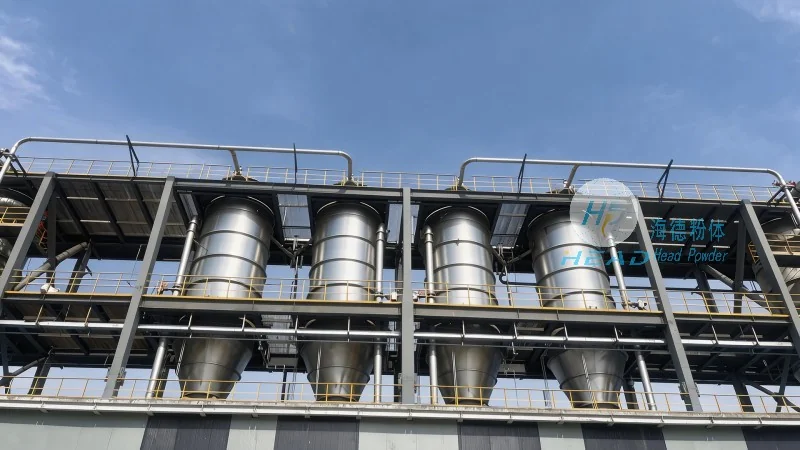
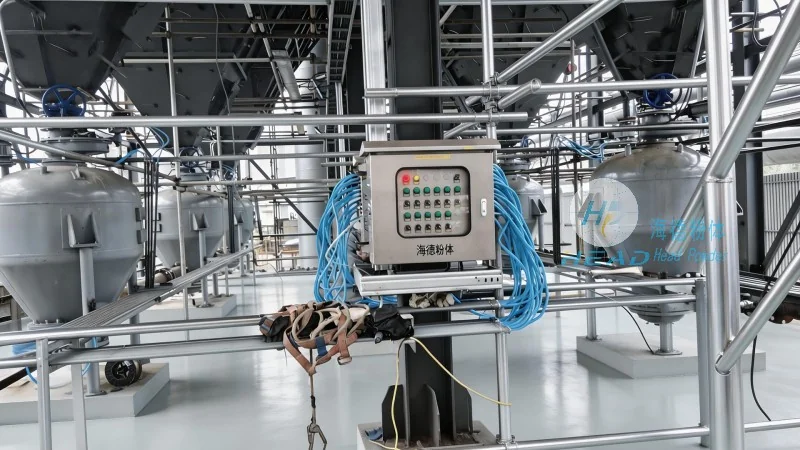
Several critical factors must be evaluated during the design phase to ensure the system meets operational requirements. The first consideration is the type of pneumatic conveying system, which can be categorized into pressure and vacuum systems. For PVC particles, pressure systems are often preferred due to their ability to handle abrasive materials and maintain consistent flow rates. The choice of system type influences the entire design, including pipeline layout, material selection, and energy consumption. Additionally, the particle size, density, and flow characteristics of PVC must be analyzed to determine the appropriate air velocity and pressure levels. These parameters are vital for preventing particle segregation, ensuring uniform conveying, and minimizing system wear.
System Components and Their Role in PVC Particle Conveying
The pneumatic conveying system for PVC particles typically consists of several key components, each playing a specific role in the conveying process. The primary components include the material feed hopper, air compressor, conveying pipeline, and material separator. The feed hopper is designed to store and feed PVC particles into the system, ensuring a steady supply of material. The air compressor provides the necessary pressure or vacuum to move the particles through the pipeline. The conveying pipeline, often made of corrosion-resistant materials like stainless steel or special plastics, must be sized and routed to minimize pressure drop and ensure efficient flow. The material separator, such as a cyclone or bag filter, is used to separate the conveyed particles from the air stream, allowing for material recovery and air filtration. Each component must be selected and configured based on the specific characteristics of the PVC particles and the operational conditions of the system.
Design Process and Engineering Support from HeadPowder
Designing a pneumatic conveying system for PVC particles requires specialized engineering expertise to address the unique challenges posed by these materials. Shandong HeadPowder Engineering Co., Ltd., a leading provider of pneumatic conveying solutions, offers comprehensive design services tailored to the needs of industrial clients. The company's team of experienced engineers uses advanced computational fluid dynamics (CFD) and system modeling tools to simulate the conveying process and optimize system performance. This approach ensures that the final design meets the client's specific requirements, including flow rates, pressure limits, and material handling capabilities. HeadPowder's engineering support includes site surveys, material analysis, and system testing to validate the design before implementation. By leveraging their expertise, clients can achieve a well-designed system that minimizes downtime, reduces maintenance costs, and enhances overall productivity.
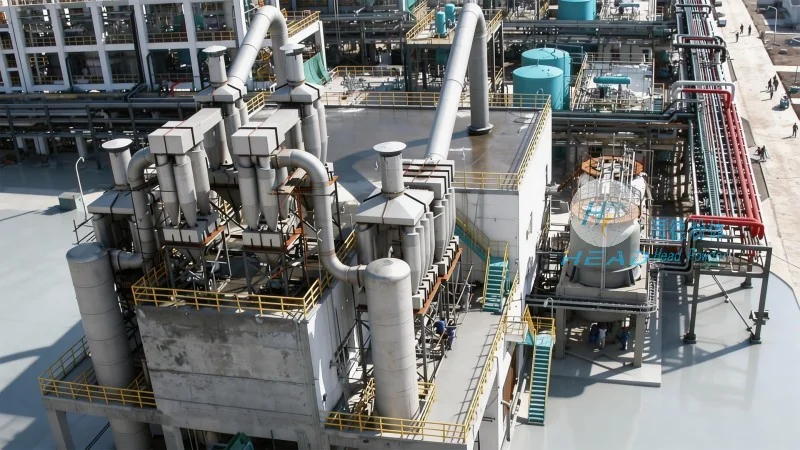
Addressing Common Challenges in PVC Particle Pneumatic Conveying
Despite the advantages of pneumatic conveying, several challenges may arise during operation, particularly with PVC particles. One common issue is particle segregation, where larger or lighter particles separate from the main flow, leading to uneven material distribution. This can be mitigated by using appropriate hopper designs and flow control devices. Another challenge is system wear, caused by the abrasive nature of PVC particles, which can damage pipeline components and reduce system lifespan. To address this, HeadPowder recommends using high-quality, wear-resistant materials for pipeline and component construction. Additionally, air leakage and pressure drop can affect system efficiency, requiring regular maintenance and proper sealing of components. By addressing these challenges through proper design and maintenance, the pneumatic conveying system can operate reliably and efficiently for extended periods.
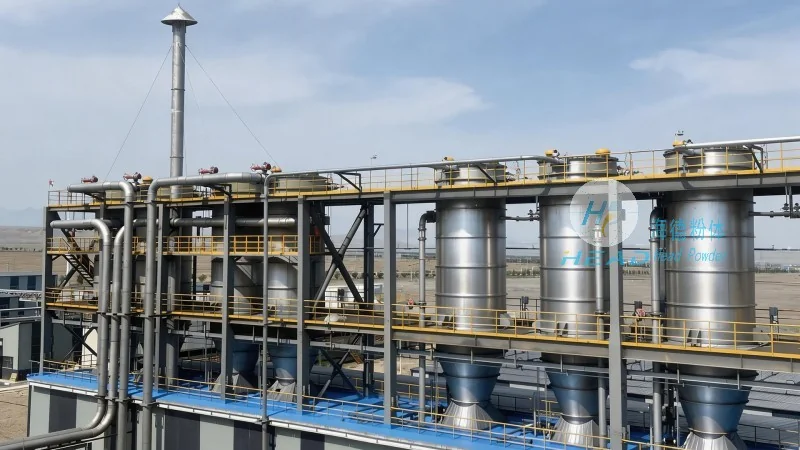
Conclusion: Achieving Optimal Performance with a Well-Designed System
Designing a reasonable PVC particle pneumatic conveying system involves a systematic approach that considers material properties, operational requirements, and engineering best practices. By focusing on key design considerations, selecting appropriate system components, and leveraging expert engineering support, industrial clients can achieve a system that meets their production needs while minimizing costs and maximizing efficiency. Shandong HeadPowder Engineering Co., Ltd. provides the necessary expertise and solutions to help clients design and implement effective pneumatic conveying systems for PVC particles, ensuring long-term operational success. With their commitment to quality and customer satisfaction, HeadPowder is a trusted partner for industrial pneumatic conveying solutions.

 Shandong Headpowder Engineering Co., Ltd.
 156-6277-7102(Quản lý Trương)
  0531-83386006
  Thành phố Tế Nam, Tỉnh Sơn Đông, Trung Quốc
Điện thoại
WeChatTư vấn
Lên đầu