Với hơn 10 năm kinh nghiệm về vận chuyển khí nén, Headpowder Sơn Đông cung cấp hệ thống, thiết bị và quạt gió toàn chuỗi, đảm nhận các dự án kỹ thuật bột trọn gói trên toàn quốc.
Coated sand, a critical material in the foundry industry, requires efficient and reliable conveying systems to ensure smooth production processes. The choice of conveying method depends on various factors such as production scale, material properties, and operational environment. This article explores the common methods used for coated sand conveyance, highlighting the key considerations and applications of each approach.
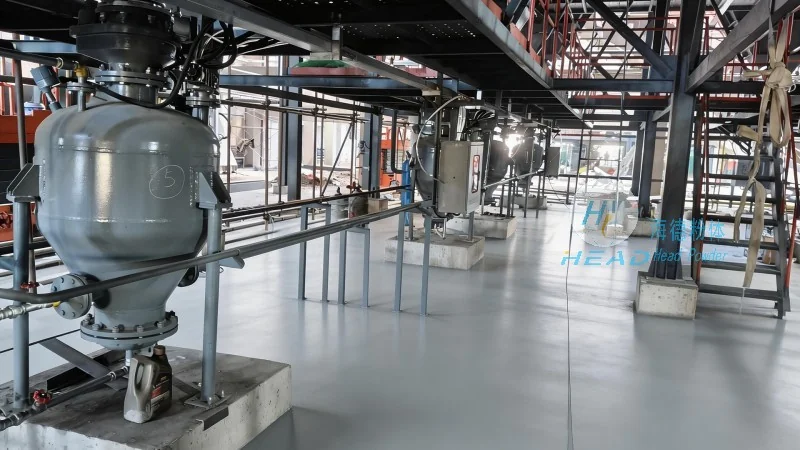
1. Gravity Conveying Systems
Gravity conveying is a widely used method for transporting coated sand due to its simplicity and cost-effectiveness. This system utilizes the natural force of gravity to move sand from one point to another, typically through inclined chutes or hoppers. The design of gravity conveyors is straightforward, involving minimal mechanical components, which reduces maintenance requirements and operational costs. For example, in foundries with horizontal or slightly inclined layouts, gravity chutes can effectively transport sand from storage bins to molding machines. The smooth surface of coated sand allows it to flow easily along the chute, minimizing friction and ensuring consistent flow rates. However, gravity conveying is limited by the need for a suitable topography and may not be suitable for vertical or steep inclines, where additional mechanical assistance is required.
2. Mechanical Conveying Systems
Mechanical conveying systems provide greater flexibility and control over coated sand movement compared to gravity methods. These systems employ various mechanical components, such as conveyors, buckets, or screw conveyors, to transport sand. One common type is the belt conveyor, which uses a continuous belt to move sand horizontally or at a slight incline. Belt conveyors are particularly effective for transporting large volumes of coated sand over long distances, as they can maintain consistent flow rates and handle varying material loads. Another option is the bucket elevator, which uses a series of buckets attached to a rotating chain or belt to lift sand vertically. Bucket elevators are ideal for vertical transport, allowing coated sand to be moved from lower to higher levels in the foundry. Screw conveyors, on the other hand, use a rotating screw to push sand along a trough, making them suitable for both horizontal and inclined transport. Mechanical conveyors offer precise control over speed and direction, enabling foundries to adjust the conveying rate based on production needs. This adaptability is crucial for maintaining optimal molding processes and preventing material buildup or spillage.
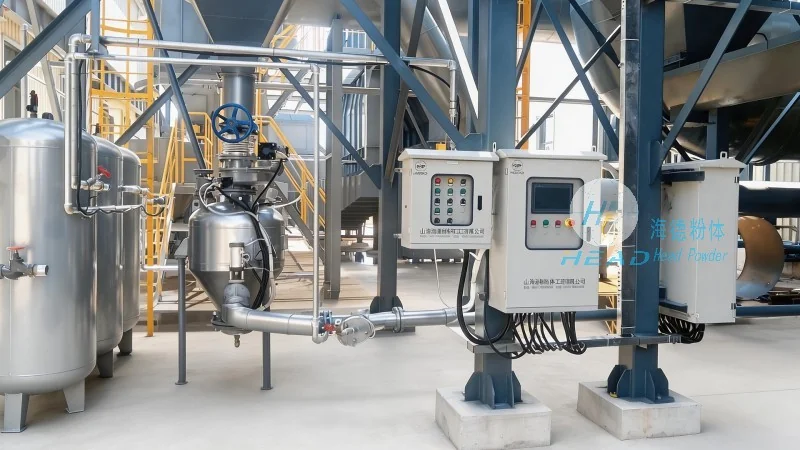
3. Pneumatic Conveying Systems
Pneumatic conveying systems use air or gas to transport coated sand through a pipeline network. This method is particularly advantageous for applications requiring dust-free or enclosed transport, as it prevents contamination and minimizes environmental impact. There are two main types of pneumatic conveyors: dilute-phase and dense-phase. Dilute-phase systems use high-velocity air to suspend sand particles in the air stream, allowing them to be transported over long distances with minimal pressure drop. Dense-phase systems, in contrast, use lower air velocities and higher material concentrations, resulting in a more controlled and stable flow. Pneumatic conveyors are ideal for transporting coated sand in environments where dust control is critical, such as in clean rooms or when handling sensitive materials. They also offer the ability to transport sand from multiple sources to a single destination, enhancing operational efficiency. However, pneumatic systems require more energy compared to gravity or mechanical conveyors and may be more complex to install and maintain. The choice between dilute and dense-phase systems depends on the specific requirements of the foundry, including distance, material characteristics, and desired flow rates.
4. Hydraulic Conveying Systems
Hydraulic conveying systems utilize water or other fluids to transport coated sand through a pipeline. This method is commonly used in applications where the sand needs to be mixed with water or other additives, such as in the preparation of molding sands. The hydraulic system typically consists of a pump, a pipeline, and a control valve, which regulates the flow of sand and water. The sand is suspended in the fluid and transported to the desired location, where it can be used directly in the molding process. Hydraulic conveyors are particularly effective for transporting wet or sticky coated sand, as the fluid helps to maintain a consistent flow and prevent clogging. They are also suitable for long-distance transport, as the fluid provides sufficient pressure to move the material through the pipeline. However, hydraulic systems require regular maintenance to prevent corrosion and ensure proper fluid circulation. The presence of water in the system also necessitates additional considerations for dust control and material drying, as excess moisture can affect the properties of the coated sand.
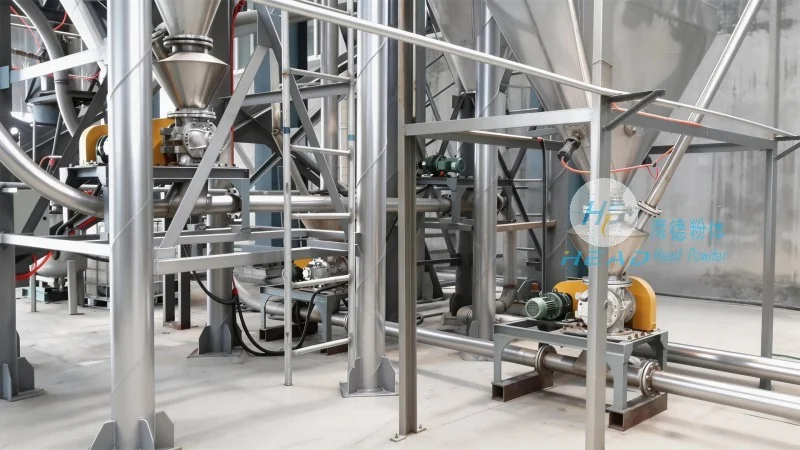
5. Combination Conveying Systems
In many foundries, a combination of the above methods is used to achieve optimal coated sand transport. For example, a gravity chute may be used to transport sand from a storage bin to a mechanical conveyor, which then moves it to the molding area. Pneumatic or hydraulic systems may be employed for specific sections where dust control or mixing is required. The integration of multiple conveying methods allows foundries to address the diverse needs of their operations, ensuring efficient and reliable sand transport throughout the production process. This approach requires careful planning and coordination to ensure smooth transitions between different systems and maintain consistent material flow. By combining the advantages of each method, foundries can optimize their coated sand conveying processes, reducing downtime and improving overall productivity.

 Shandong Headpowder Engineering Co., Ltd.
 156-6277-7102(Quản lý Trương)
  0531-83386006
  Thành phố Tế Nam, Tỉnh Sơn Đông, Trung Quốc
Điện thoại
WeChatTư vấn
Lên đầu