Với hơn 10 năm kinh nghiệm về vận chuyển khí nén, Headpowder Sơn Đông cung cấp hệ thống, thiết bị và quạt gió toàn chuỗi, đảm nhận các dự án kỹ thuật bột trọn gói trên toàn quốc.
Electric powder, also known as phenolic resin powder, is widely used in various industrial applications due to its excellent electrical insulation properties and mechanical strength. Efficient and reliable material handling is crucial for industries that process electric powder, as it ensures consistent production quality and operational safety. Among the various conveying methods available, pneumatic conveying stands out as a preferred choice for electric powder transportation due to its ability to handle fine powders with minimal dust generation and low risk of contamination.
Overview of Electric Powder Conveying Methods
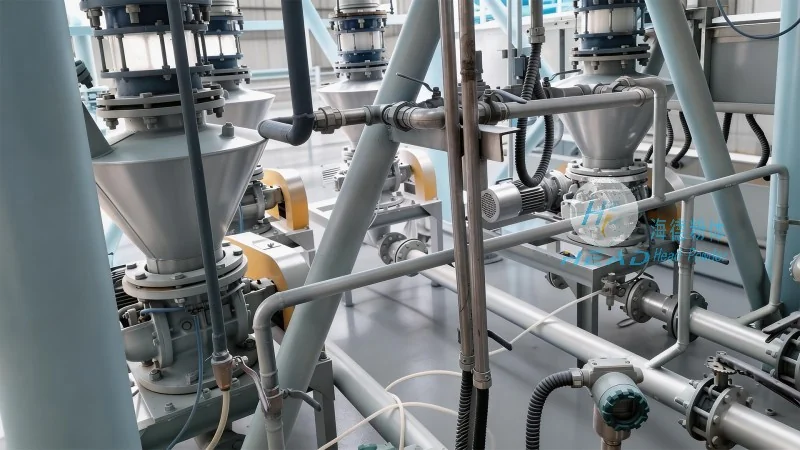
Electric powder, typically a fine granular material, requires specialized handling techniques to prevent agglomeration, dust explosion risks, and material loss. Conventional conveying methods such as belt conveyors or screw conveyors may not be suitable for electric powder due to their limitations in controlling particle flow and preventing static buildup. Therefore, industries often opt for more advanced systems that address these challenges effectively. The primary methods used for electric powder conveyance include mechanical, gravity, and pneumatic systems, each with distinct advantages and applications.
Pneumatic Conveying: The Preferred Method for Electric Powder
Pneumatic conveying, also known as air conveying, is a technology that uses compressed air to transport bulk materials like electric powder through a pipeline system. This method offers several advantages over traditional mechanical conveyors, making it ideal for electric powder applications. One of the key benefits is the ability to handle fine powders without the need for additional equipment like hoppers or feeders. The air flow in the pipeline creates a drag force that pulls the powder particles along, ensuring smooth and continuous movement. Pneumatic conveying also minimizes the risk of material degradation and contamination, as the material remains enclosed within the pipeline, reducing exposure to external factors.
Key Components of Electric Powder Pneumatic Conveying Systems
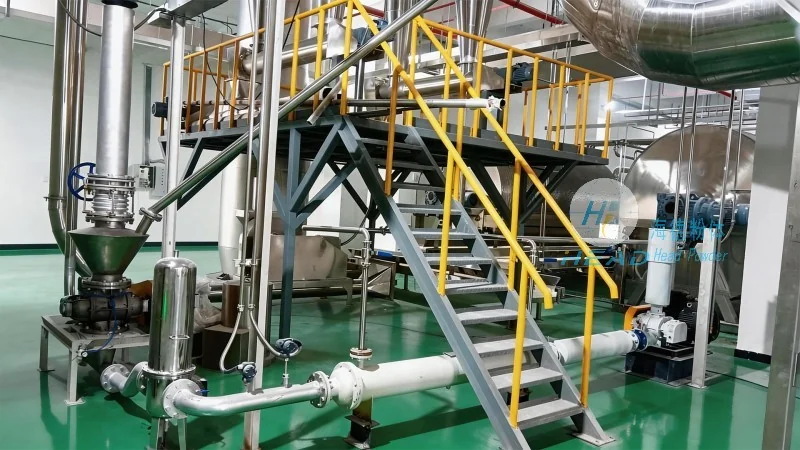
An electric powder pneumatic conveying system typically consists of several essential components that work together to achieve efficient material transport. The main components include a blower or compressor to generate the necessary air pressure, a hopper or storage tank to hold the electric powder, a feeder to control the material flow rate, and a pipeline network to direct the material to the destination. The blower provides the motive force, while the feeder ensures a consistent feed rate, preventing overloading or underfeeding that could affect system performance. The pipeline design, including the use of flexible hoses or rigid pipes, is critical for maintaining the integrity of the conveying system and minimizing pressure losses.
Advantages of Pneumatic Conveying for Electric Powder
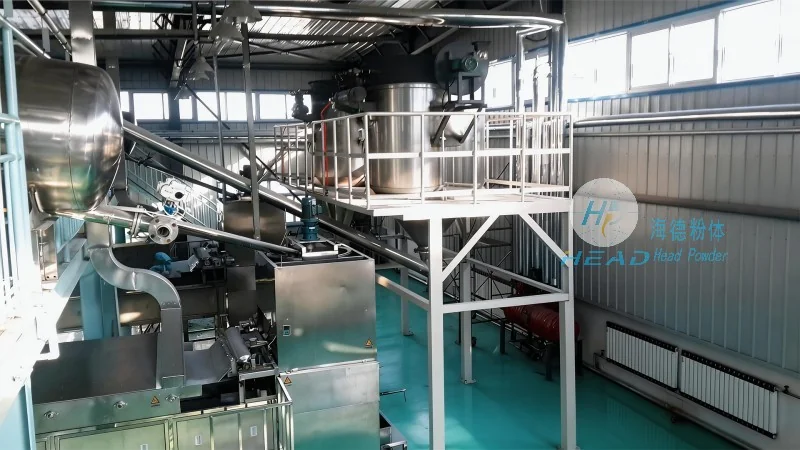
Compared to other conveying methods, pneumatic conveying offers numerous benefits for electric powder handling. One of the most significant advantages is the ability to handle fine powders with high efficiency. The air flow in the system can transport particles as small as 10 microns, which is often challenging for mechanical conveyors. This makes pneumatic conveying suitable for applications where the powder needs to be transported over long distances or through complex layouts. Another advantage is the reduced risk of dust explosion. By enclosing the material in the pipeline, the system prevents the accumulation of dust clouds, which are a major hazard in electric powder processing. Additionally, pneumatic conveying systems are relatively easy to install and maintain, with fewer moving parts compared to mechanical conveyors, leading to lower operational costs and higher reliability.
Applications of Electric Powder Pneumatic Conveying
The versatility of pneumatic conveying systems makes them suitable for a wide range of applications involving electric powder. In the manufacturing of electrical components, such as insulators and connectors, pneumatic conveying is used to transport the powder from storage to processing equipment like mixers and extruders. The consistent flow of material ensures that the production process runs smoothly, with minimal downtime due to material shortages or blockages. In the chemical industry, electric powder is used as a raw material for various products, and pneumatic conveying is employed to transport it from storage facilities to production lines. The ability to handle large volumes of material efficiently makes this method ideal for high-volume production environments. Furthermore, in research and development laboratories, pneumatic conveying systems are used to transport small quantities of electric powder for testing and analysis, providing a controlled and safe method for handling the material.
Considerations for Implementing Electric Powder Pneumatic Conveying
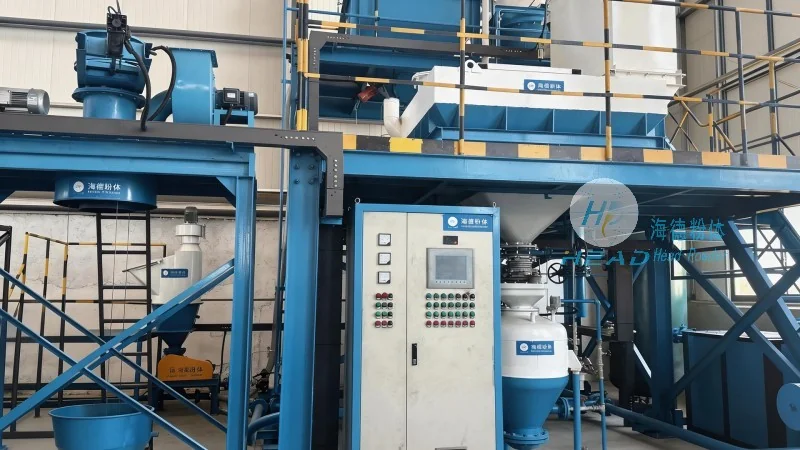
While pneumatic conveying offers many advantages, there are several factors to consider when implementing such a system for electric powder. The first consideration is the material's properties, such as particle size, density, and moisture content. These factors affect the air velocity required for effective conveying and the system's overall efficiency. For example, finer powders may require higher air velocities to prevent blockages, while coarser powders can be conveyed at lower velocities. Another important consideration is the system's capacity and scalability. The design of the pipeline and blower must be matched to the production requirements to ensure that the system can handle the expected material flow rates without excessive energy consumption. Additionally, the system's maintenance and operational costs should be evaluated to ensure that it is cost-effective in the long term. Regular maintenance of the blower, feeder, and pipeline is essential to prevent system failures and ensure consistent performance.
Conclusion
In conclusion, pneumatic conveying is a highly effective method for handling electric powder, offering advantages such as efficient material transport, reduced contamination risk, and improved safety. The system's ability to handle fine powders and complex layouts makes it a preferred choice for industries that process electric powder. By understanding the key components and considerations of pneumatic conveying systems, manufacturers can implement an efficient and reliable material handling solution that meets their production needs. As a leading provider of electric powder conveying solutions, Shandong HeadPowder Engineering Co., Ltd. specializes in designing and manufacturing customized pneumatic conveying systems tailored to the specific requirements of electric powder applications. With years of experience in the industry, the company ensures that its systems are built to the highest standards, providing reliable performance and long-term value to its clients.

 Shandong Headpowder Engineering Co., Ltd.
 156-6277-7102(Quản lý Trương)
  0531-83386006
  Thành phố Tế Nam, Tỉnh Sơn Đông, Trung Quốc
Điện thoại
WeChatTư vấn
Lên đầu