Với hơn 10 năm kinh nghiệm về vận chuyển khí nén, Headpowder Sơn Đông cung cấp hệ thống, thiết bị và quạt gió toàn chuỗi, đảm nhận các dự án kỹ thuật bột trọn gói trên toàn quốc.
When it comes to designing an efficient and reliable polystyrene pneumatic conveying system, several key factors must be considered to ensure optimal performance and longevity. The process involves a comprehensive analysis of material properties, operational requirements, and environmental conditions to develop a tailored solution that meets specific industrial needs.
Understanding the Core Principles of Polystyrene Pneumatic Conveying
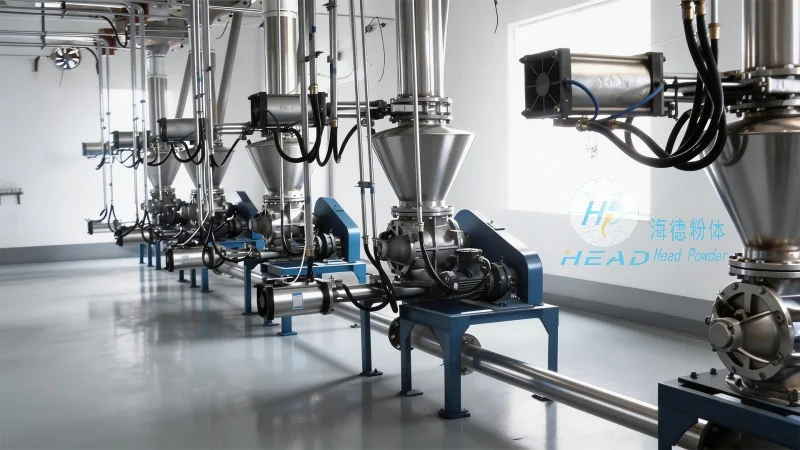
Polystyrene, a lightweight and versatile plastic, presents unique challenges when handled via pneumatic conveying. Its low bulk density and tendency to generate static electricity require specialized design considerations. A well-designed system must address issues such as material flow, air velocity, and pressure differentials to prevent blockages and ensure consistent material transport. The choice of conveying method—whether dilute phase or dense phase—depends on the material's characteristics and the distance it needs to travel.
Key Design Elements for an Effective System
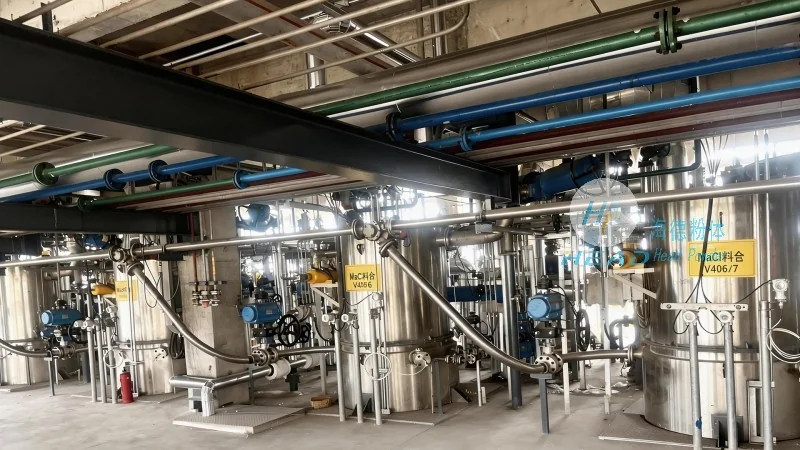
Several critical components contribute to the success of a polystyrene pneumatic conveying system. The system typically includes a hopper for material storage, a feeder to control the flow rate, a conveying line with appropriate ductwork, and a receiver for the discharged material. The selection of these components is crucial, as each part must be matched to the material's properties and the system's operational parameters. For instance, the hopper design should minimize material bridging and ensure uniform feeding, while the feeder must provide consistent material delivery to maintain stable air flow.
Material Handling Considerations for Polystyrene
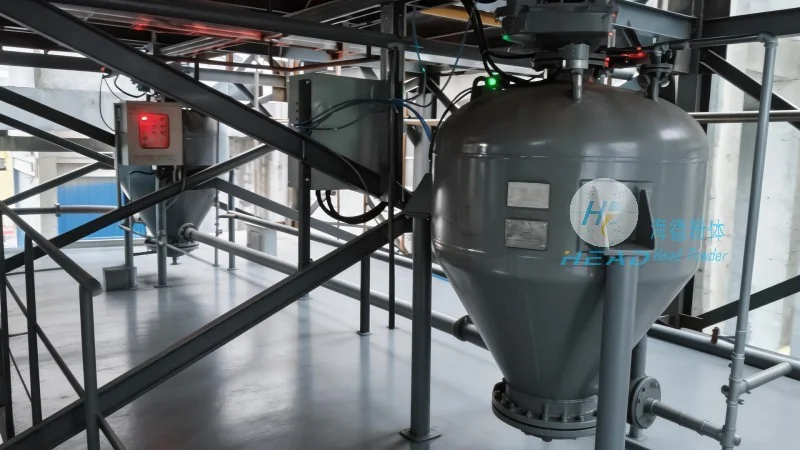
Polystyrene's low density and tendency to generate static electricity necessitate careful attention to material handling. The system must incorporate grounding and anti-static measures to prevent static buildup, which can lead to material discharge issues or equipment damage. Additionally, the use of appropriate air filters and moisture control is essential to maintain material quality and prevent degradation during transport. The design must also account for the material's susceptibility to temperature changes, as polystyrene can become brittle or soften under extreme conditions, affecting its flow characteristics.
System Integration and Maintenance
Integrating the polystyrene pneumatic conveying system with existing industrial processes requires careful planning to ensure seamless operation. The system must be compatible with other equipment, such as storage silos, processing units, or packaging machinery. Regular maintenance is also vital to ensure long-term reliability. This includes checking for wear and tear on components, cleaning air filters, and inspecting for any signs of material buildup or blockages. Proper maintenance not only extends the system's lifespan but also minimizes downtime and operational costs.
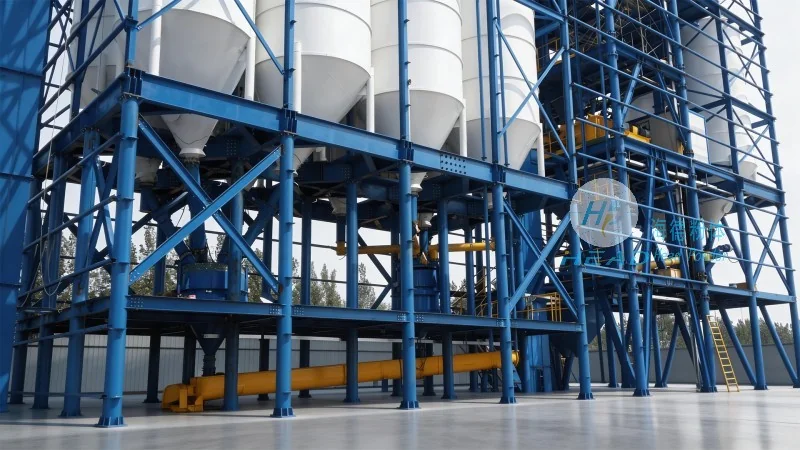
Case Study: Successful Implementation by Shandong HeadPowder Engineering Co., Ltd.
Shandong HeadPowder Engineering Co., Ltd., a leading provider of pneumatic conveying solutions, has successfully implemented numerous polystyrene conveying systems for clients across various industries. By leveraging their expertise in material science and engineering, the company designs customized systems that address the unique challenges of polystyrene handling. For example, one client required a system to transport polystyrene pellets from a storage silo to a molding machine over a distance of 50 meters. The HeadPowder team designed a dilute phase system with a high-capacity feeder and optimized ductwork to ensure smooth material flow. The system has since operated reliably, with minimal maintenance and consistent material delivery, demonstrating the effectiveness of their design approach.
Conclusion: Optimizing Polystyrene Pneumatic Conveying Systems
Designing a reasonable polystyrene pneumatic conveying system involves a holistic approach that considers material properties, operational requirements, and maintenance needs. By addressing key design elements, such as hopper design, feeder selection, and anti-static measures, engineers can develop systems that are efficient, reliable, and cost-effective. Companies like Shandong HeadPowder Engineering Co., Ltd. play a crucial role in providing expert guidance and tailored solutions to meet the specific needs of industrial clients, ensuring successful implementation and long-term performance of polystyrene pneumatic conveying systems.

 Shandong Headpowder Engineering Co., Ltd.
 156-6277-7102(Quản lý Trương)
  0531-83386006
  Thành phố Tế Nam, Tỉnh Sơn Đông, Trung Quốc
Điện thoại
WeChatTư vấn
Lên đầu