Với hơn 10 năm kinh nghiệm về vận chuyển khí nén, Headpowder Sơn Đông cung cấp hệ thống, thiết bị và quạt gió toàn chuỗi, đảm nhận các dự án kỹ thuật bột trọn gói trên toàn quốc.
For industrial applications involving the handling of calcium hydroxide, selecting an appropriate pneumatic conveying system is crucial for efficiency, safety, and cost-effectiveness. This article outlines key considerations and steps for designing a well-structured calcium hydroxide pneumatic conveying system, presented by Shandong HeadPowder Engineering Co., Ltd., a leading provider in the field.
Understanding the Importance of System Design
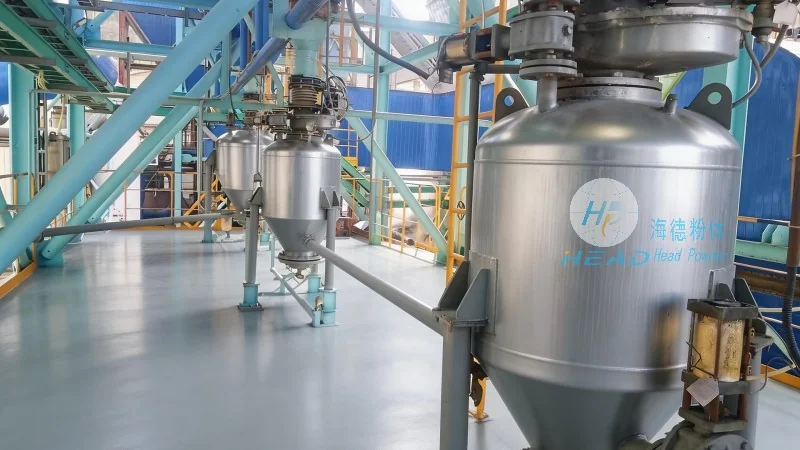
Calcium hydroxide, commonly known as slaked lime, is widely used in various industries such as construction, water treatment, and chemical manufacturing. Its handling requires specialized equipment due to its dusty nature and potential health hazards. A properly designed pneumatic conveying system ensures that calcium hydroxide is transported safely and efficiently from storage to processing units, minimizing dust emissions and operational risks.
Key Components of a Pneumatic Conveying System
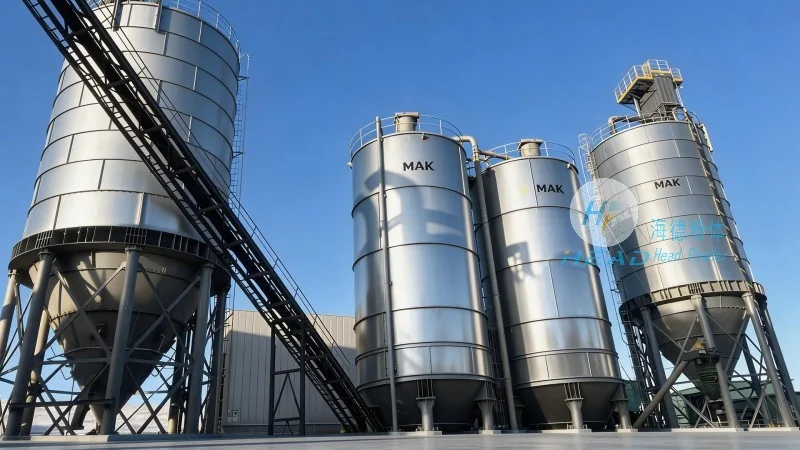
The core components of a calcium hydroxide pneumatic conveying system typically include a hopper for material storage, a feeder to control the flow rate, a conveying line (usually made of stainless steel or other corrosion-resistant materials), a dust collector to capture airborne particles, and a receiver for the material at the destination. The choice of components depends on the system's capacity, the distance of material transport, and the specific requirements of the application.
Design Considerations for System Efficiency
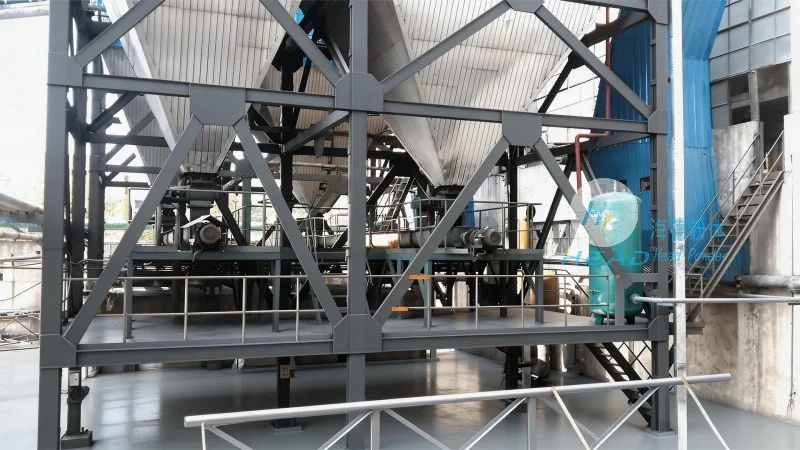
When designing a calcium hydroxide pneumatic conveying system, several factors must be considered to ensure optimal performance. First, the system's capacity must match the production rate of the calcium hydroxide. This involves calculating the required air flow rate and pressure to move the material through the conveying line without clogging or excessive energy consumption. Second, the material's properties, such as its density, particle size, and moisture content, influence the selection of equipment like the feeder and the type of air flow (positive or negative pressure). Third, the distance and layout of the conveying line affect the system's design, including the number of bends and the required air pressure to maintain material transport.
Safety and Environmental Compliance
Given the health risks associated with calcium hydroxide dust, safety and environmental compliance are paramount in system design. The system should incorporate effective dust collection mechanisms to prevent airborne particles from entering the workplace. Additionally, proper ventilation and filtration systems are essential to protect both personnel and the environment. Compliance with local regulations regarding dust emissions and material handling is also a critical aspect of the design process.
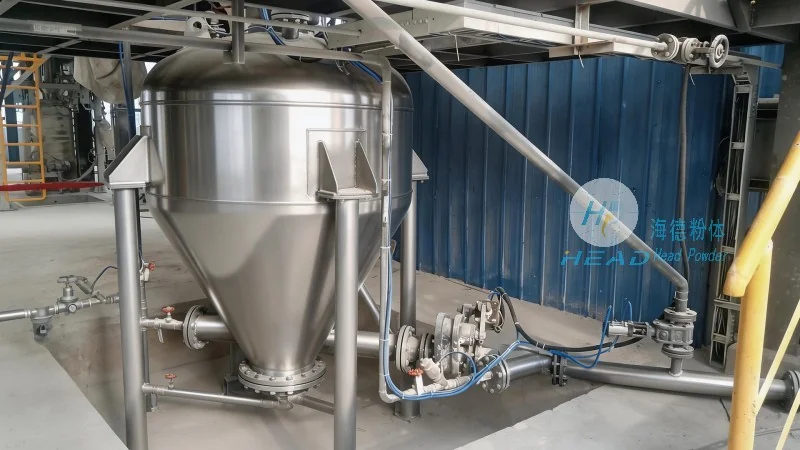
HeadPowder's Expertise in Pneumatic Conveying Solutions
Shandong HeadPowder Engineering Co., Ltd. specializes in providing customized pneumatic conveying solutions tailored to the unique needs of calcium hydroxide applications. With years of experience in the industry, the company's engineers work closely with clients to assess their specific requirements, from material characteristics to operational constraints. HeadPowder offers comprehensive design services, including system analysis, component selection, and installation support, ensuring that the final system meets both performance and safety standards.
Conclusion
Designing a reasonable calcium hydroxide pneumatic conveying system requires a thorough understanding of material properties, system components, and operational requirements. By considering factors such as capacity, material characteristics, and safety regulations, industries can achieve efficient and safe material handling. Shandong HeadPowder Engineering Co., Ltd. stands ready to assist clients in developing tailored solutions that enhance productivity while adhering to industry best practices.

 Shandong Headpowder Engineering Co., Ltd.
 156-6277-7102(Quản lý Trương)
  0531-83386006
  Thành phố Tế Nam, Tỉnh Sơn Đông, Trung Quốc
Điện thoại
WeChatTư vấn
Lên đầu