Với hơn 10 năm kinh nghiệm về vận chuyển khí nén, Headpowder Sơn Đông cung cấp hệ thống, thiết bị và quạt gió toàn chuỗi, đảm nhận các dự án kỹ thuật bột trọn gói trên toàn quốc.
When it comes to designing a pneumatic conveying system for chlorinated polyethylene (CPE), a thorough and systematic approach is essential to ensure efficiency, reliability, and cost-effectiveness. The unique properties of CPE, such as its chemical resistance and specific physical characteristics, require careful consideration at every stage of the design process. This guide outlines key factors and best practices to help engineers and facility managers develop a well-structured plan for CPE pneumatic conveying systems.
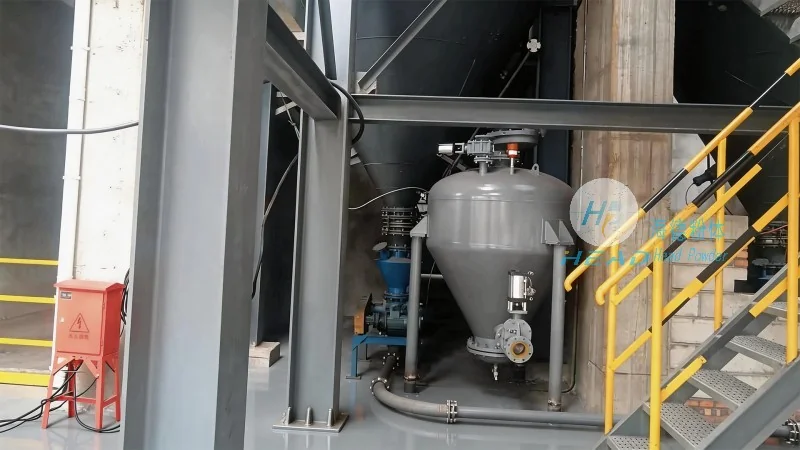
Understanding the Material: Chlorinated Polyethylene Properties
Before diving into system design, it is crucial to understand the characteristics of chlorinated polyethylene. CPE is a thermoplastic polymer with enhanced chemical resistance and improved flexibility compared to standard polyethylene. Its density, particle size distribution, and flowability can vary significantly depending on the manufacturing process and intended application. These properties directly impact the selection of conveying equipment, such as the type of feeder, pipeline diameter, and air pressure requirements. For instance, CPE particles may be more abrasive or have a higher moisture content in some formulations, which could affect the wear on system components and the need for additional filtration or drying steps.
Key Design Considerations for Pneumatic Conveying Systems
The success of a CPE pneumatic conveying system hinges on several critical design elements. First, the system must be tailored to the specific throughput requirements—whether it’s a low-volume, intermittent operation or a high-capacity, continuous process. The required conveying distance and elevation changes also play a vital role in determining the air velocity, pipeline size, and energy consumption. Engineers must consider the pressure drop across the system, which is influenced by the length of the pipeline, bends, and fittings. Properly sizing the air compressor and selecting the appropriate type (e.g., positive displacement or centrifugal) is essential to maintain consistent airflow and prevent system bottlenecks.
System Components and Their Role in CPE Conveying
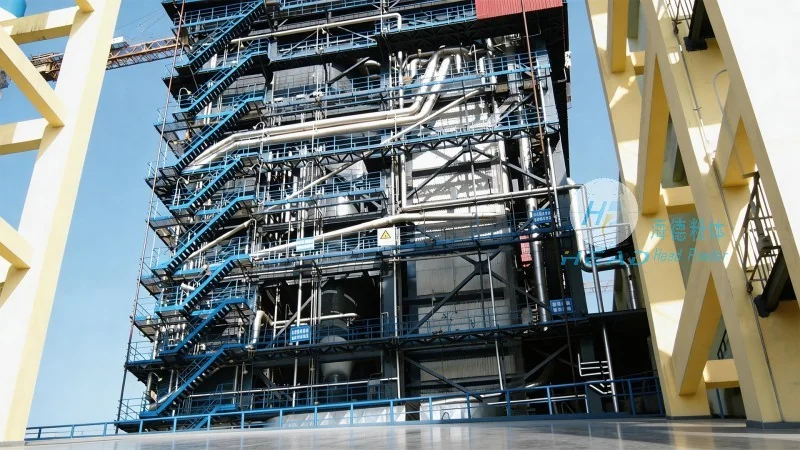
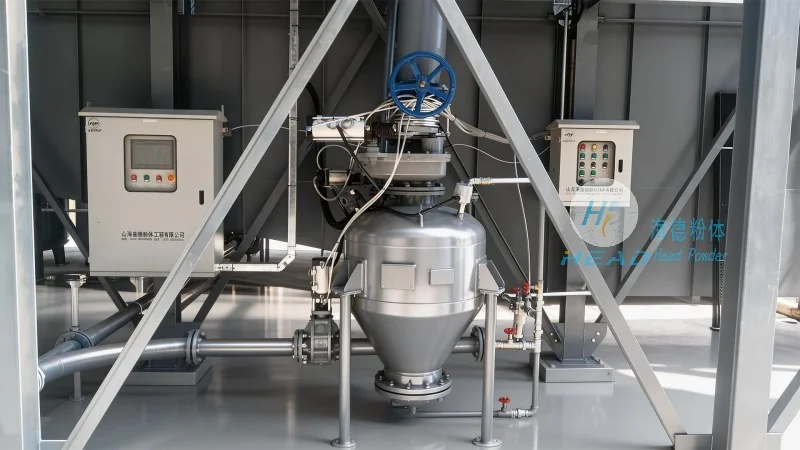
A typical CPE pneumatic conveying system includes several key components: a material feeder to control the flow rate, a pipeline network to transport the material, an air source to generate the conveying air, and a separation unit to collect the material at the destination. The feeder, often a rotary valve or a screw feeder, must be designed to handle the specific flow characteristics of CPE, ensuring consistent and controlled discharge. The pipeline material is typically stainless steel or corrosion-resistant plastic to withstand the chemical properties of CPE and prevent degradation over time. The air source, usually an industrial air compressor, must provide sufficient pressure and volume to achieve the desired conveying velocity. The separation unit, such as a cyclone or a bag filter, is critical for recovering the material and maintaining air quality, especially when dealing with fine CPE particles that can cause dust issues.
Design Process: From Analysis to Implementation
The design process for a CPE pneumatic conveying system typically follows a structured workflow. It begins with a comprehensive analysis of the material properties, operational requirements, and site constraints. Engineers then use computational fluid dynamics (CFD) or empirical formulas to model the system and predict performance. This includes calculating the required air velocity, pressure drop, and energy consumption. The next step involves selecting the appropriate components based on the model results, considering factors like cost, durability, and maintenance. Prototyping and testing may be conducted to validate the design and make adjustments as needed. Finally, the system is installed and commissioned, with regular monitoring and maintenance to ensure long-term reliability.
Ensuring Safety and Compliance in CPE Conveying
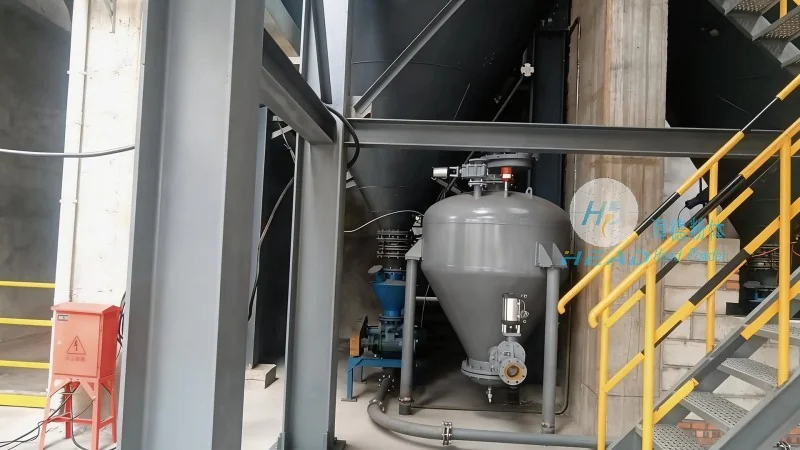
Given the potential hazards associated with CPE (e.g., dust explosions or chemical exposure), safety is a top priority in system design. Engineers must follow industry standards, such as NFPA 654 for dust explosion prevention, and incorporate safety features like explosion vents, spark detection systems, and proper ventilation. The system should also be designed to minimize dust generation and ensure proper material containment. Regular maintenance, including cleaning of filters and pipelines, is essential to prevent buildup and maintain performance. By adhering to safety protocols and regular inspections, facilities can ensure the safe and efficient operation of CPE pneumatic conveying systems.
Case Study: A Successful CPE Pneumatic Conveying System by Shandong HeadPowder Engineering Co., Ltd.
Shandong HeadPowder Engineering Co., Ltd., a leading provider of material handling solutions, recently completed a project for a client in China. The client required a high-capacity CPE pneumatic conveying system to transport bulk CPE from a storage silo to a processing plant over a distance of 200 meters. The system was designed to handle 10 tons per hour of CPE with a particle size range of 0.5 to 2 mm. HeadPowder engineers conducted a thorough analysis of the CPE properties, including its density (approximately 0.95 g/cm³) and flowability, and selected a positive displacement blower with a pressure of 0.8 MPa. The pipeline was made of stainless steel with a diameter of 150 mm, and a rotary valve feeder was used to control the material flow. The system was equipped with a cyclone separator and a bag filter to ensure efficient material recovery and air filtration. After commissioning, the system achieved a conveying efficiency of over 95% and operated reliably for over 8,000 hours without major issues. This case study highlights the importance of tailored design and professional engineering in achieving successful CPE pneumatic conveying operations.
Conclusion: The Importance of Expert Design in CPE Pneumatic Conveying
Designing a reasonable chlorinated polyethylene pneumatic conveying system requires a deep understanding of the material properties, operational requirements, and system components. By following a systematic approach and considering all key factors, engineers can develop a plan that maximizes efficiency, minimizes costs, and ensures long-term reliability. The expertise of companies like Shandong HeadPowder Engineering Co., Ltd. plays a critical role in delivering customized solutions that meet the specific needs of clients. Whether for industrial or commercial applications, a well-designed CPE pneumatic conveying system is essential for smooth material handling and operational success.

 Shandong Headpowder Engineering Co., Ltd.
 156-6277-7102(Quản lý Trương)
  0531-83386006
  Thành phố Tế Nam, Tỉnh Sơn Đông, Trung Quốc
Điện thoại
WeChatTư vấn
Lên đầu