Với hơn 10 năm kinh nghiệm về vận chuyển khí nén, Headpowder Sơn Đông cung cấp hệ thống, thiết bị và quạt gió toàn chuỗi, đảm nhận các dự án kỹ thuật bột trọn gói trên toàn quốc.
When it comes to the efficient and reliable transportation of polyethylene pellets, a well-designed pneumatic conveying system is paramount. The design process requires a deep understanding of material properties, operational requirements, and the specific application context. This article aims to guide you through the key considerations and steps involved in creating a rational polyethylene pellet pneumatic conveying system plan, highlighting the expertise of Shandong HeadPowder Engineering Co., Ltd. as a leading provider in this field.
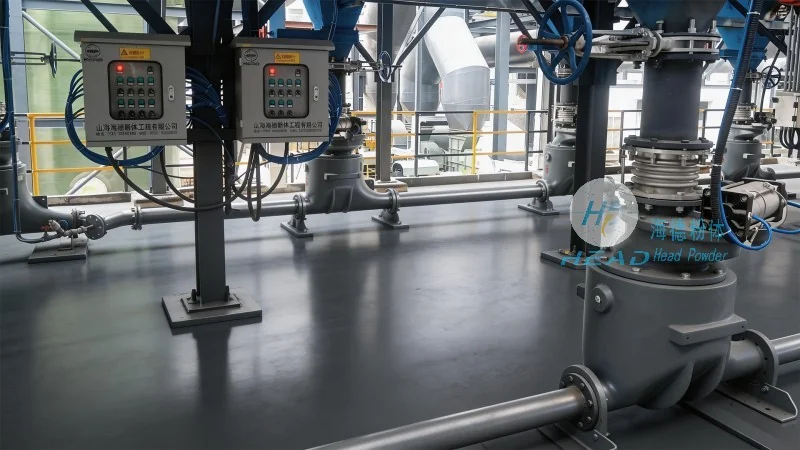
Understanding the Core Principles of Polyethylene Pellet Pneumatic Conveying
Before diving into the design specifics, it's essential to grasp the fundamental principles that govern pneumatic conveying systems. Polyethylene pellets, with their characteristic size and density, demand a system that can handle the material's flow characteristics effectively. The system must ensure minimal degradation of the pellets, maintain consistent pressure and flow rates, and prevent blockages or system inefficiencies. Key factors include the selection of the right type of conveying system—such as pressure or vacuum systems—and the appropriate choice of components like cyclones, filters, and control valves.
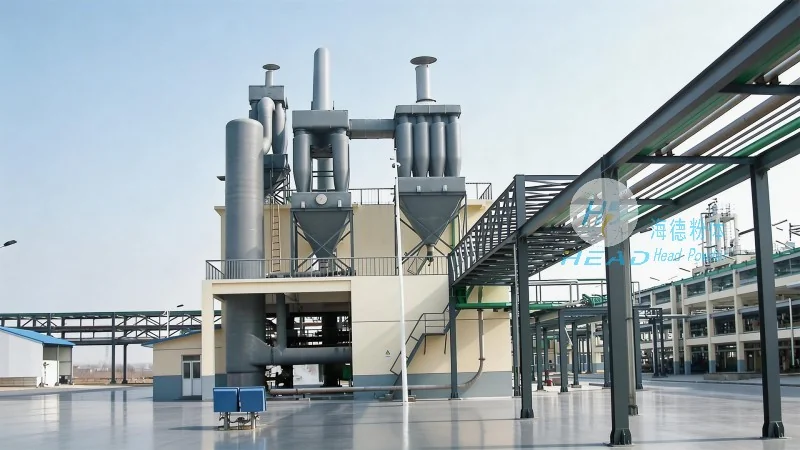
Key Design Considerations for Polyethylene Pellet Pneumatic Conveying
Designing a successful polyethylene pellet pneumatic conveying system involves several critical considerations. First, the material's physical properties, such as particle size distribution, bulk density, and moisture content, directly impact the system's performance. These factors influence the required air velocity, pressure drop, and equipment sizing. Second, the system's operational environment, including the distance between the source and destination, the number of transfer points, and the need for dust control, must be carefully evaluated. Third, the integration of the system with existing infrastructure and the need for scalability or future expansion should be considered from the outset. Shandong HeadPowder Engineering Co., Ltd. emphasizes a holistic approach, ensuring that all these factors are addressed to deliver a system that meets both current and future operational needs.
Step-by-Step Design Process for a Polyethylene Pellet Pneumatic Conveying System
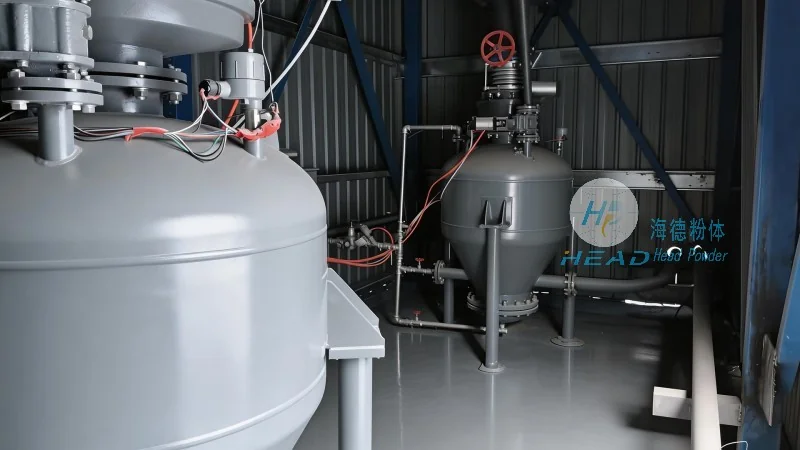
The design process for a polyethylene pellet pneumatic conveying system typically follows a structured methodology. The first step involves a thorough analysis of the material characteristics and the operational requirements. This includes determining the required conveying capacity, the distance to be covered, and the desired flow rate. Next, the type of pneumatic conveying system is selected based on the analysis—whether a pressure system (using a positive displacement blower or compressor) or a vacuum system (using a vacuum pump) is more suitable. Following this, the key components are sized and selected, including the air compressor or vacuum pump, the conveying line diameter, the cyclone separator, and the dust collection system. The system's control logic is then developed to ensure smooth operation, including pressure monitoring, flow control, and safety interlocks. Finally, the system is simulated and optimized to ensure efficiency and reliability. HeadPowder Engineering leverages advanced engineering tools and decades of industry experience to execute this process with precision, ensuring that each design meets the highest standards of performance and durability.
Ensuring Efficiency and Reliability in Polyethylene Pellet Pneumatic Conveying
Efficiency and reliability are the hallmarks of a well-designed polyethylene pellet pneumatic conveying system. The system must minimize energy consumption while maintaining consistent material flow. This is achieved through the optimization of air velocity, pressure drop, and component selection. For instance, using the right size of conveying line reduces energy waste while ensuring adequate flow. The cyclone separator and dust collection system are critical for maintaining air quality and preventing material buildup, which can lead to system downtime. Regular maintenance and monitoring are also essential to ensure long-term reliability. Shandong HeadPowder Engineering Co., Ltd. provides comprehensive support, including system maintenance plans and technical assistance, to ensure that the system operates at peak efficiency throughout its lifecycle.
Conclusion: Partnering with HeadPowder for Your Polyethylene Pellet Pneumatic Conveying Needs
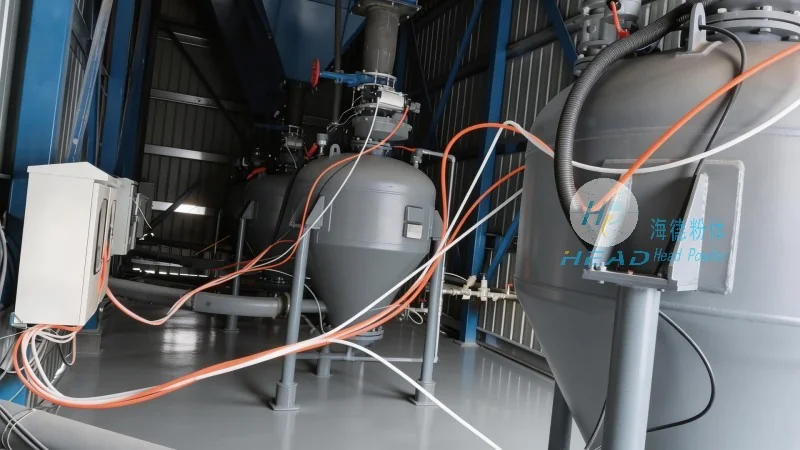
Designing a rational polyethylene pellet pneumatic conveying system is a complex task that requires expertise, experience, and a customer-centric approach. Shandong HeadPowder Engineering Co., Ltd. stands out as a trusted partner in this domain, offering tailored solutions that address the unique challenges of polyethylene pellet transportation. By combining advanced engineering principles with practical industry insights, HeadPowder Engineering delivers systems that are not only efficient and reliable but also scalable and adaptable to evolving operational demands. Whether you are setting up a new facility or upgrading an existing system, partnering with HeadPowder ensures that your polyethylene pellet pneumatic conveying needs are met with excellence and professionalism.

 Shandong Headpowder Engineering Co., Ltd.
 156-6277-7102(Quản lý Trương)
  0531-83386006
  Thành phố Tế Nam, Tỉnh Sơn Đông, Trung Quốc
Điện thoại
WeChatTư vấn
Lên đầu