Với hơn 10 năm kinh nghiệm về vận chuyển khí nén, Headpowder Sơn Đông cung cấp hệ thống, thiết bị và quạt gió toàn chuỗi, đảm nhận các dự án kỹ thuật bột trọn gói trên toàn quốc.
Seaweed powder, a valuable resource in the food, pharmaceutical, and cosmetic industries, requires efficient and reliable handling from storage to processing. The choice of conveying method significantly impacts operational efficiency, product quality, and safety. Among the various options available, pneumatic conveying stands out as a preferred solution for transporting seaweed powder due to its versatility and effectiveness. This article explores common seaweed powder conveying methods, with a focus on the benefits and applications of pneumatic systems, presented by Shandong HeadPowder Engineering Co., Ltd., a leading provider of specialized powder handling solutions.
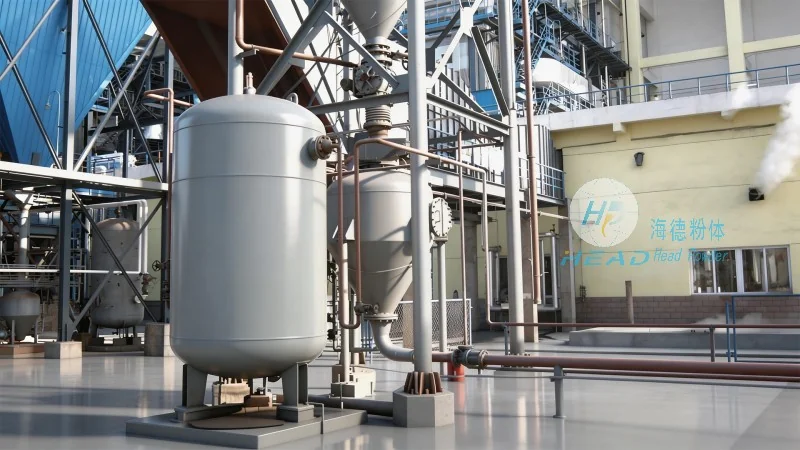
Seaweed Powder Pneumatic Conveying: An Overview
Pneumatic conveying, also known as air conveying, utilizes pressurized or vacuum air to transport dry bulk materials like seaweed powder through a closed pipeline system. This method offers a non-contact, dust-free, and hygienic way to move powders, making it ideal for sensitive products. Unlike mechanical conveyors, which rely on belts or buckets, pneumatic systems minimize product contamination and mechanical wear, preserving the quality of seaweed powder throughout the process. The technology has evolved to include both positive pressure (where air is blown into the system) and negative pressure (where air is drawn out) designs, each suited to different operational needs and distances.
Key Advantages of Pneumatic Conveying for Seaweed Powder
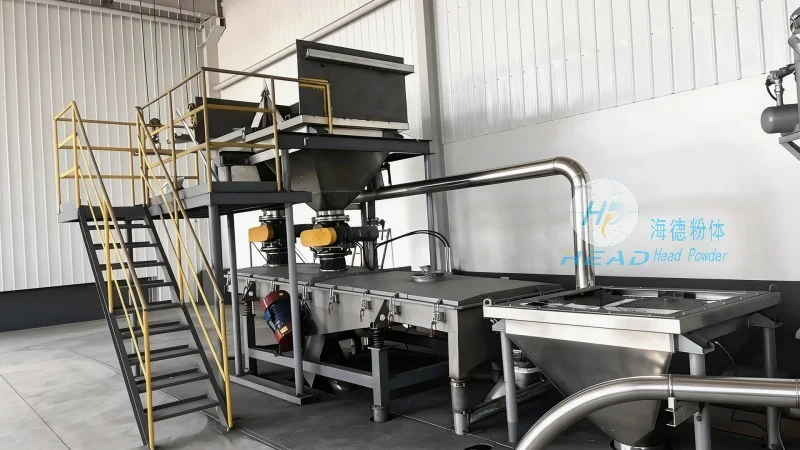
One of the primary advantages of pneumatic conveying for seaweed powder is its ability to handle fine, cohesive powders without the risk of clogging or blockages. The air flow maintains the powder in suspension, ensuring smooth and continuous transport. Additionally, this method reduces the need for manual handling, enhancing workplace safety and reducing labor costs. For long-distance or multi-level transfers, pneumatic systems are more efficient than traditional methods, as they can cover distances of several hundred meters with minimal pressure drop. The hygienic design of these systems, often featuring stainless steel components and easy-to-clean pipelines, aligns with the stringent requirements of the food and pharmaceutical sectors, where product purity is paramount.
Application Scenarios in Seaweed Powder Handling
Pneumatic conveying is widely used in seaweed powder processing facilities for various applications. For instance, it can be employed to transfer raw seaweed powder from bulk storage silos to processing lines, ensuring a consistent feed rate. In manufacturing plants, the system can move finished seaweed powder products from production areas to packaging units, maintaining product integrity. Furthermore, in research and development settings, pneumatic conveying allows for precise measurement and mixing of seaweed powder with other ingredients, facilitating quality control and product development. The flexibility of pneumatic systems also enables integration with existing infrastructure, minimizing the need for extensive facility modifications.
How Pneumatic Conveying Systems Work
The operation of a pneumatic conveying system for seaweed powder involves several key components. The system typically includes a blower or vacuum pump to generate the necessary air pressure, a hopper or feeder to introduce the powder into the pipeline, and a series of pipes and valves to direct the flow. In positive pressure systems, the blower pushes air and powder through the pipeline, while in negative pressure systems, the vacuum pump draws air and powder from the source. The design of the pipeline, including the use of bends, elbows, and filters, is critical to maintaining efficient flow and preventing particle deposition. Filters are essential to remove any fine particles or moisture from the air, ensuring the system operates smoothly and prolonging component life. The control system, which monitors pressure, flow rate, and other parameters, allows operators to adjust the conveying process in real-time, optimizing performance and reducing downtime.
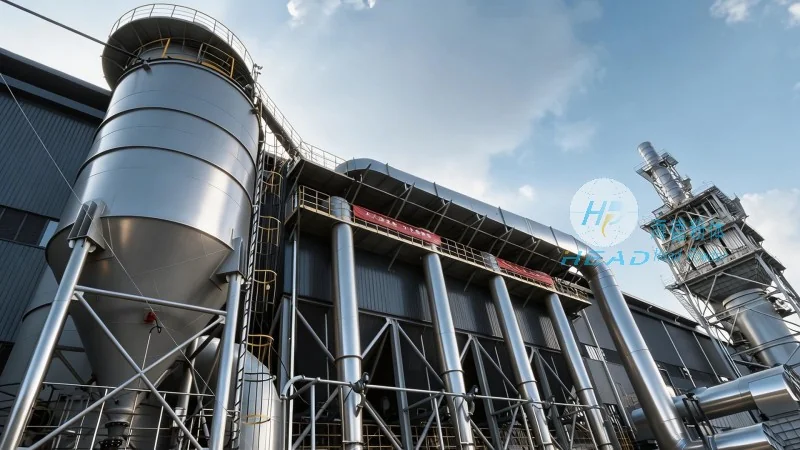
Customization and Integration with Existing Facilities
Shandong HeadPowder Engineering Co., Ltd. specializes in designing and manufacturing customized pneumatic conveying systems tailored to the specific needs of seaweed powder handling operations. The company’s engineers work closely with clients to assess their current facilities, production volumes, and operational requirements, ensuring the system is optimized for efficiency and cost-effectiveness. Customization options may include the selection of appropriate blower capacity, pipeline diameter, and material of construction (such as stainless steel or food-grade plastics) to meet hygiene and durability standards. Integration with existing equipment, such as storage silos or processing machinery, is handled with precision to ensure seamless operation. The company’s expertise in both positive and negative pressure systems allows for flexible solutions, whether the application requires short-distance, high-volume transport or long-distance, low-volume transfer. Additionally, the inclusion of features like dust collection and air filtration enhances the overall safety and environmental compliance of the system.
For businesses in the seaweed powder industry seeking reliable and efficient conveying solutions, pneumatic systems offer a superior alternative to traditional methods. By leveraging the expertise of companies like Shandong HeadPowder Engineering Co., Ltd., operators can enhance their operational efficiency, maintain product quality, and ensure compliance with industry standards. The investment in a well-designed pneumatic conveying system not only improves the overall handling process but also contributes to long-term cost savings and operational stability.

 Shandong Headpowder Engineering Co., Ltd.
 156-6277-7102(Quản lý Trương)
  0531-83386006
  Thành phố Tế Nam, Tỉnh Sơn Đông, Trung Quốc
Điện thoại
WeChatTư vấn
Lên đầu