Với hơn 10 năm kinh nghiệm về vận chuyển khí nén, Headpowder Sơn Đông cung cấp hệ thống, thiết bị và quạt gió toàn chuỗi, đảm nhận các dự án kỹ thuật bột trọn gói trên toàn quốc.
When designing a pneumatic conveying system for sodium bicarbonate, it is crucial to consider several key factors to ensure efficiency, reliability, and cost-effectiveness. The system must be tailored to the specific characteristics of the material, including its density, flowability, and potential for dust generation. Additionally, the system should align with operational requirements such as throughput capacity, distance of material transport, and environmental regulations. This article outlines the essential steps and considerations for developing a well-structured sodium bicarbonate pneumatic conveying system plan, as provided by Shandong HeadPowder Engineering Co., Ltd. (headpowder).
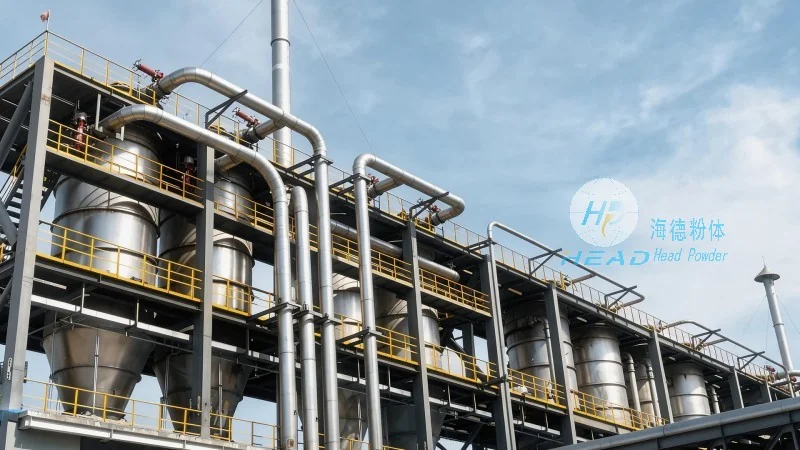
Key Design Considerations for Sodium Bicarbonate Pneumatic Conveying Systems
Before initiating the design process, it is vital to conduct a thorough analysis of the sodium bicarbonate properties. Sodium bicarbonate, also known as baking soda, is a white crystalline powder with a relatively low bulk density compared to other powders. Its flowability can be influenced by moisture content, particle size distribution, and the presence of clumps. Understanding these characteristics helps in selecting the appropriate conveying method and equipment. For instance, if the material is prone to bridging or agglomeration, a positive pressure system with a rotary airlock or feeder may be more suitable than a negative pressure system.
System Components and Their Functions
A typical sodium bicarbonate pneumatic conveying system consists of several critical components, each playing a specific role in the material transport process. The main components include the material hopper, feeder, air compressor, conveying line, and receiver. The material hopper serves as the storage vessel, providing a consistent feed to the system. The feeder, often a rotary airlock or a screw feeder, controls the flow rate of the material into the conveying line. The air compressor generates the necessary pressure or vacuum to move the material through the system. The conveying line, usually made of stainless steel or plastic, transports the material and air mixture. The receiver collects the material at the destination point, separating it from the air.
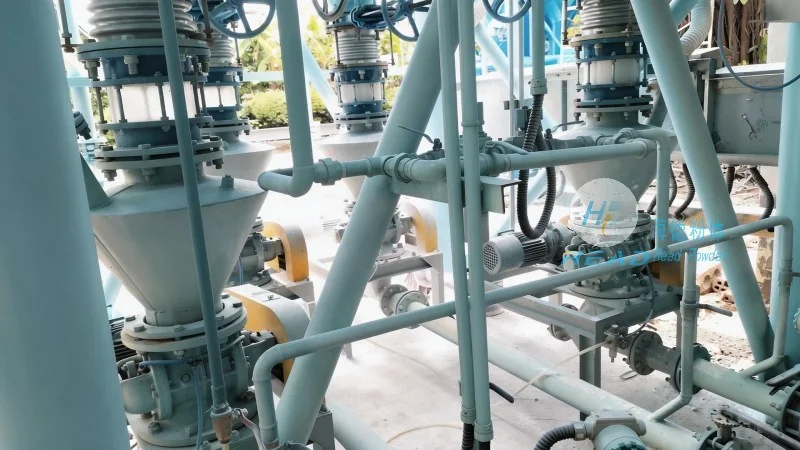
Selection of Conveying Method: Positive vs. Negative Pressure
The choice between positive pressure and negative pressure systems significantly impacts the system's performance and maintenance requirements. Positive pressure systems use compressed air to push the material through the line, while negative pressure systems use vacuum to pull the material. For sodium bicarbonate, a positive pressure system is often preferred due to its ability to handle higher material loads and reduce the risk of dust leakage. However, negative pressure systems are suitable for applications where dust control is a primary concern or when the material is to be transported over longer distances without significant pressure drops.
Material Handling and Feeder Selection
The feeder is a critical component that directly affects the system's stability and efficiency. For sodium bicarbonate, a rotary airlock feeder is commonly used because it can handle a wide range of particle sizes and flow rates without causing blockages. The feeder's speed can be adjusted to control the material feed rate, ensuring a consistent flow into the conveying line. Additionally, the feeder should be equipped with a seal to prevent air leakage and maintain the system's pressure. Proper maintenance of the feeder, such as regular cleaning and inspection of the rotary valve, is essential to avoid system downtime and material loss.
Air Compressor and System Pressure Management
The air compressor is responsible for providing the necessary air pressure to move the material. The choice of compressor type, such as rotary screw or centrifugal, depends on the system's capacity and pressure requirements. For sodium bicarbonate systems, a rotary screw compressor is often preferred due to its efficiency and ability to handle varying load conditions. The system's pressure must be carefully managed to ensure that the material is conveyed at an optimal velocity without causing excessive wear on the conveying line or components. Pressure regulators and filters are essential to maintain consistent air quality and prevent contaminants from entering the system.
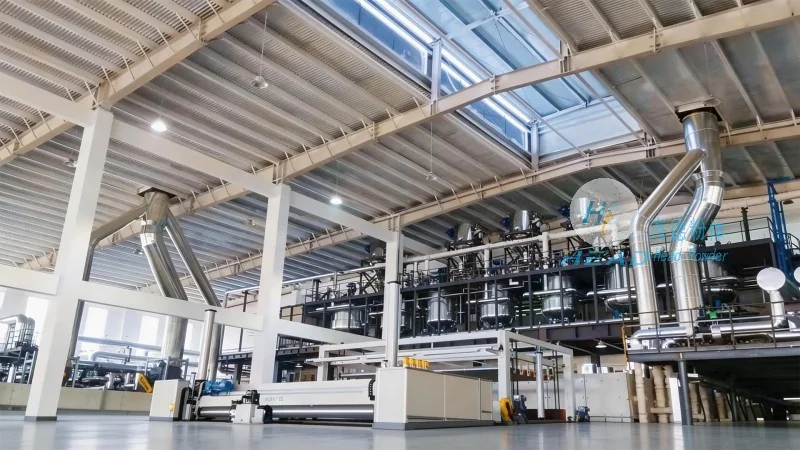
Conveying Line Design and Material Flow Optimization
The design of the conveying line is crucial for minimizing pressure drop and ensuring smooth material flow. The line should be sized appropriately based on the material's properties and the system's capacity. For sodium bicarbonate, a line diameter of 2 to 4 inches is commonly used for small to medium-scale applications. The line should be equipped with bends and elbows that are designed to minimize turbulence and pressure loss. Additionally, the use of inline mixers or air cannons can help to break up clumps and improve material flow, especially when dealing with cohesive or sticky powders. Regular inspection and cleaning of the line are necessary to prevent buildup and maintain system efficiency.
Receiver and Material Discharge
The receiver is the final component of the system, responsible for collecting the conveyed material. It should be designed to handle the material's characteristics, such as its bulk density and flowability. For sodium bicarbonate, a hopper or a bin with a discharge valve is commonly used. The receiver should be equipped with a dust collection system to prevent air leakage and maintain a clean environment. The discharge valve, such as a rotary valve or a gate valve, controls the flow of material from the receiver to the next process step. Proper maintenance of the receiver and discharge valve is essential to avoid material blockages and ensure smooth operation.
System Integration and Control
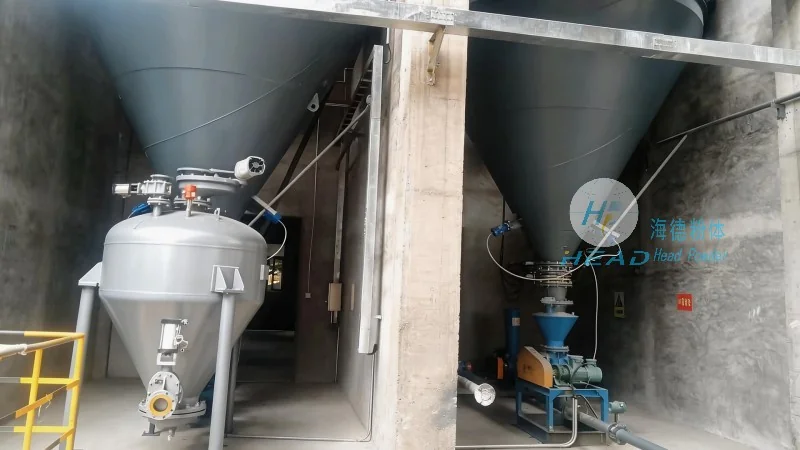
Integrating the pneumatic conveying system with other process equipment is essential for seamless operation. The system should be equipped with sensors and controls to monitor parameters such as pressure, flow rate, and material level. These controls can help to optimize the system's performance and prevent issues such as overfilling or underfilling. For example, a pressure sensor can detect a drop in system pressure, indicating a blockage or a need to adjust the feeder speed. A level sensor in the receiver can alert operators when the material level is low, prompting refilling. Proper integration and control of the system ensure that it operates efficiently and reliably, minimizing downtime and maintenance costs.
Maintenance and Troubleshooting
Maintaining a pneumatic conveying system for sodium bicarbonate requires regular inspection and maintenance to ensure long-term performance. Key maintenance tasks include cleaning the feeder and conveying line, inspecting the compressor and filters, and checking the receiver and discharge valve. Regular maintenance can help to prevent issues such as blockages, air leaks, and wear on components. Troubleshooting is also an important aspect of system operation. Common issues include pressure drops, material bridging, and dust leakage. By identifying the root cause of these problems, operators can take corrective actions to restore the system's efficiency. For example, if a pressure drop is observed, the cause could be a blockage in the line, which can be cleared by inspecting and cleaning the line. If dust leakage is detected, the seals on the feeder or receiver may need to be replaced or adjusted.
Conclusion
Designing a reasonable sodium bicarbonate pneumatic conveying system requires a comprehensive understanding of the material properties, operational requirements, and system components. By considering factors such as material flowability, system pressure, and component selection, engineers can develop a system that is efficient, reliable, and cost-effective. Proper maintenance and control of the system are essential to ensure long-term performance and minimize downtime. With the right design and maintenance approach, a pneumatic conveying system can effectively handle sodium bicarbonate, meeting the needs of various industrial applications.

 Shandong Headpowder Engineering Co., Ltd.
 156-6277-7102(Quản lý Trương)
  0531-83386006
  Thành phố Tế Nam, Tỉnh Sơn Đông, Trung Quốc
Điện thoại
WeChatTư vấn
Lên đầu