Với hơn 10 năm kinh nghiệm về vận chuyển khí nén, Headpowder Sơn Đông cung cấp hệ thống, thiết bị và quạt gió toàn chuỗi, đảm nhận các dự án kỹ thuật bột trọn gói trên toàn quốc.
When it comes to the efficient handling and transportation of lithium oxide, selecting the right conveying method is crucial for industrial operations. Lithium oxide (Li₂O), a key component in various chemical and industrial applications, requires specialized handling due to its properties and the need for maintaining purity and safety during transport. This article explores common methods for conveying lithium oxide, with a focus on air-driven (pneumatic) conveying systems, which are widely adopted in the industry for their effectiveness and adaptability.
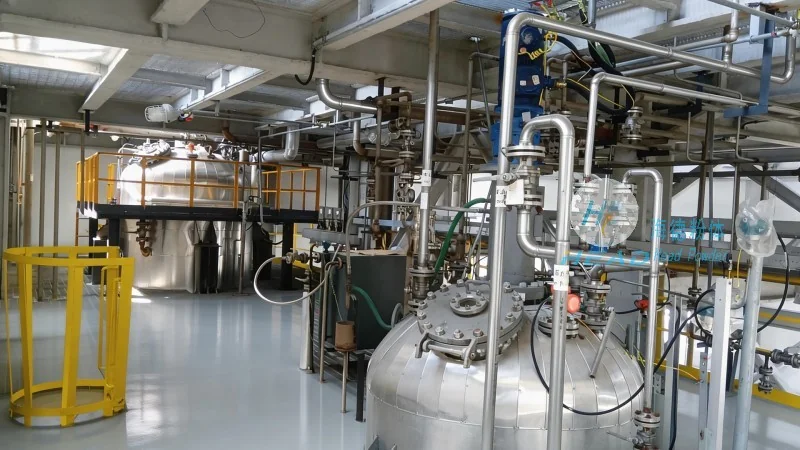
Understanding Lithium Oxide and Conveying Requirements
Lithium oxide is a white, crystalline solid that is highly reactive and sensitive to moisture and air. Its fine particle size can lead to dust formation and inhalation risks, making material handling a critical concern. Conveying systems must be designed to minimize dust exposure, prevent contamination, and ensure consistent flow rates. The choice of conveying method directly impacts operational efficiency, safety, and product quality. For industries dealing with lithium oxide, especially in bulk processing, the selection of an appropriate conveying system is a critical decision that affects overall production performance.
Common Conveying Methods for Lithium Oxide
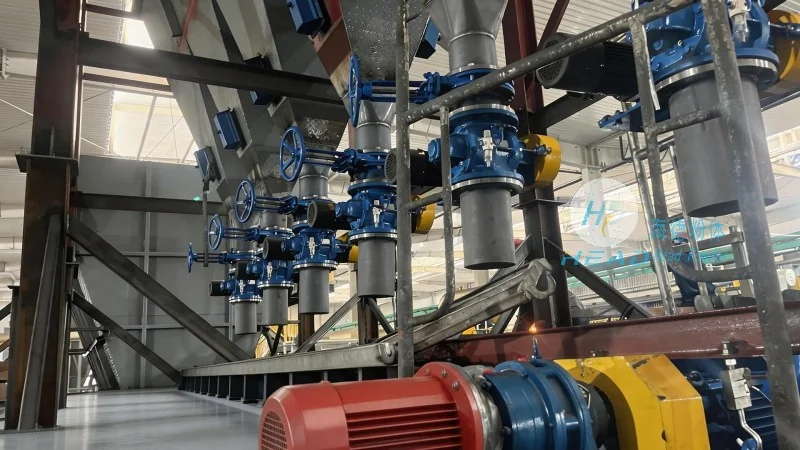
Several methods are employed for the transport of lithium oxide, each with its own advantages and limitations. Primary approaches include mechanical conveying systems like screw conveyors, belt conveyors, and bucket elevators, as well as pneumatic conveying systems. Among these, air-driven conveying has emerged as a preferred solution for many applications due to its ability to handle fine powders and provide a dust-free environment. Mechanical systems are often used for shorter distances and less sensitive materials, but they may not be suitable for lithium oxide due to the risk of particle degradation or contamination.
Air-Driven (Pneumatic) Conveying: A Detailed Overview
Air-driven conveying systems utilize compressed air to transport material through a pipeline. This method is particularly effective for lithium oxide because it can handle fine powders without mechanical contact, reducing the risk of particle attrition and contamination. The system typically consists of a blower, a hopper for material storage, and a series of pipes with inlets and outlets. Compressed air creates a flow that pulls or pushes the material through the system, depending on the design. For lithium oxide, positive pressure (pressure) systems are often preferred as they can handle longer distances and larger volumes while maintaining material integrity. Key components include the air compressor, material feeders, and control valves, all designed to handle lithium oxide's specific characteristics.
Advantages of Air-Driven Conveying for Lithium Oxide
Implementing air-driven conveying for lithium oxide offers several significant benefits. First, it provides a dust-free and enclosed environment, essential for maintaining product purity and safety. Unlike mechanical systems that generate dust, pneumatic conveying minimizes exposure risks and reduces the need for additional dust control measures. Second, the system is highly flexible, allowing changes in flow rates and direction without major modifications. This adaptability is valuable in dynamic industrial settings. Third, air-driven systems can handle long distances and multiple transfer points, making them suitable for large-scale operations. The ability to transport lithium oxide over considerable distances while preserving quality and preventing contamination is a major advantage. Additionally, these systems are relatively easy to install and maintain, contributing to lower operational costs over time.
Considerations and Best Practices for Lithium Oxide Conveying
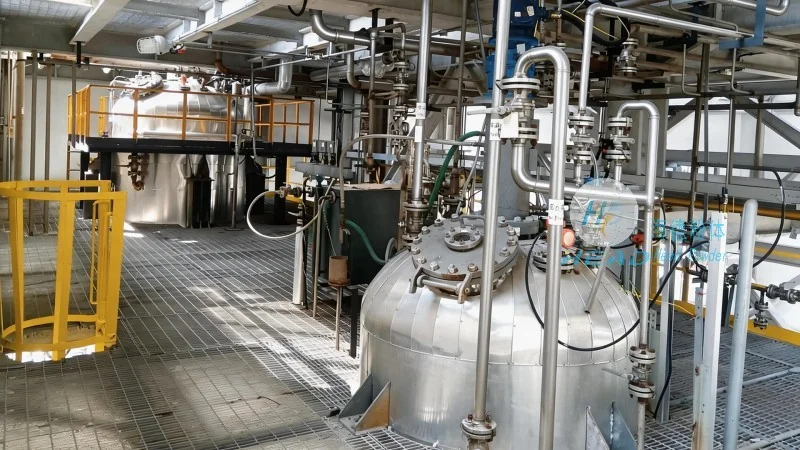
While air-driven conveying is advantageous, certain considerations must be addressed to ensure optimal performance. Material properties, such as moisture content and particle size distribution, significantly impact system efficiency. Lithium oxide is hygroscopic, meaning it can absorb moisture from the air, potentially causing clumping or caking. Proper moisture control is essential to prevent disruptions in flow. The design must also account for potential material buildup or blockages, especially in long pipelines. Regular maintenance and cleaning of system components are necessary to prevent clogging and ensure consistent operation. The use of appropriate materials for equipment construction, such as corrosion-resistant metals or specialized plastics, is also important to avoid contamination from the system itself.
Conclusion: Choosing the Right Conveying Solution for Lithium Oxide
In conclusion, the selection of an appropriate conveying method for lithium oxide is critical to industrial success. Air-driven (pneumatic) conveying stands out as a highly effective solution due to its ability to handle fine powders, maintain product purity, and provide a safe working environment. The advantages of this method, including flexibility, long-distance transport capability, and ease of maintenance, make it a preferred choice for many industries dealing with lithium oxide. However, careful consideration of material properties, system design, and operational requirements is essential to ensure optimal performance. By understanding the specific needs of lithium oxide and the capabilities of different conveying systems, industrial operators can select the most suitable solution to enhance efficiency, safety, and product quality. As a leading provider in the field, Shandong HeadPowder Engineering Co., Ltd. specializes in designing and implementing advanced conveying systems tailored to the unique demands of lithium oxide and other fine materials, ensuring reliable and efficient material handling solutions for their clients.

 Shandong Headpowder Engineering Co., Ltd.
 156-6277-7102(Quản lý Trương)
  0531-83386006
  Thành phố Tế Nam, Tỉnh Sơn Đông, Trung Quốc
Điện thoại
WeChatTư vấn
Lên đầu