Với hơn 10 năm kinh nghiệm về vận chuyển khí nén, Headpowder Sơn Đông cung cấp hệ thống, thiết bị và quạt gió toàn chuỗi, đảm nhận các dự án kỹ thuật bột trọn gói trên toàn quốc.
When it comes to the transportation of epoxy resin, selecting the right method is crucial for ensuring efficiency, safety, and product integrity. Epoxy resin, a versatile and widely used material in various industries, requires careful handling during transport to maintain its properties and prevent contamination. The methods of epoxy resin transportation can vary based on factors such as the resin's viscosity, the distance or volume of the shipment. Understanding these methods helps businesses optimize their logistics and supply chain operations.
Common Methods of Epoxy Resin Transportation
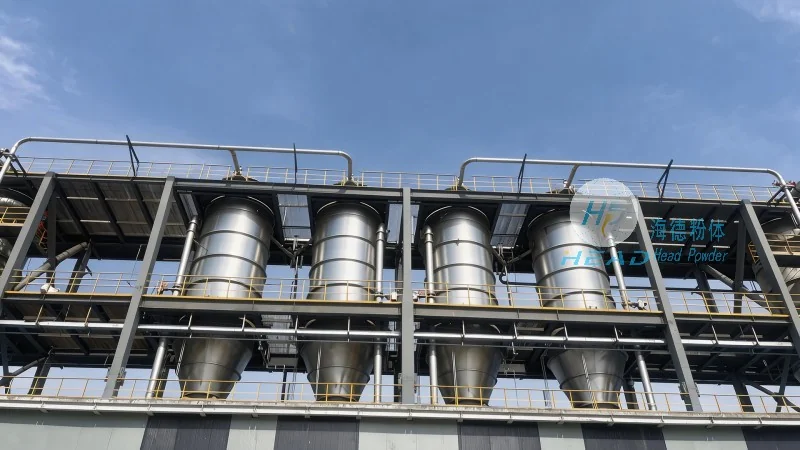
Epoxy resin can be transported using several methods, each suitable for different scenarios and requirements. The choice of method depends on factors like the resin's viscosity, the distance of transport, and the volume being moved. Here are some of the most common methods used in the industry:
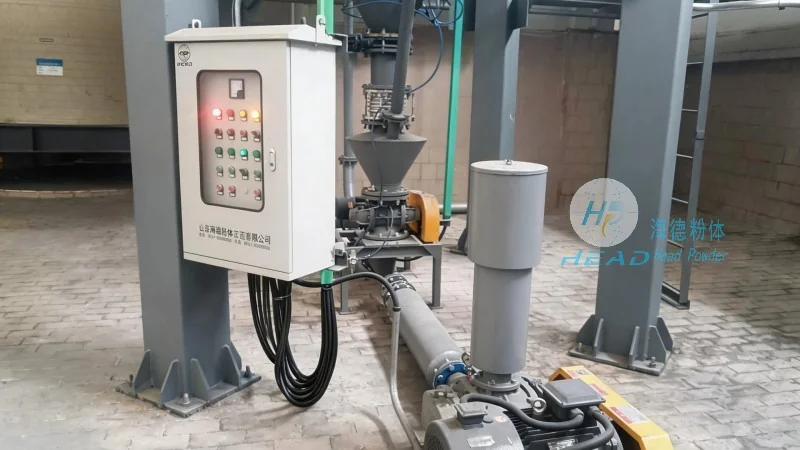
Pipeline Transportation
Pipeline transportation is a popular method for moving large volumes of epoxy resin, especially in industrial settings where continuous flow is required. This method involves pumping the resin through a network of pipes, which can be underground or above ground. The pipeline system is typically equipped with valves, pumps, and monitoring equipment to ensure smooth and controlled flow. For companies like Shandong HeadPowder Engineering Co., Ltd., pipeline transportation allows for efficient and automated delivery of epoxy resin to production facilities, reducing labor costs and minimizing the risk of spills or leaks. The system can be designed to handle different resin types, including high-viscosity formulations, by adjusting pump speeds and pipe diameters. This method is particularly effective for long-distance transport within a plant or between adjacent industrial sites, providing a reliable and consistent supply of resin.
Pump-Sending (Pressure-Driven Transport)
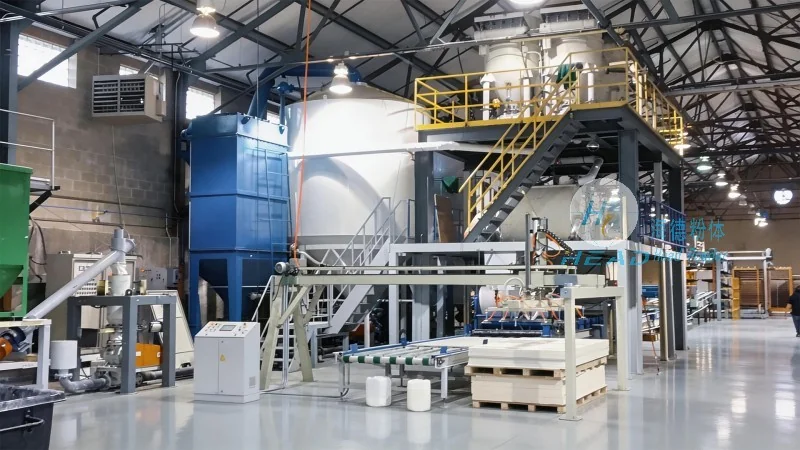
Pump-sending, also known as pressure-driven transport, is another common method for moving epoxy resin, especially when dealing with medium to high viscosity resins. This method uses positive displacement pumps or centrifugal pumps to push the resin through hoses or pipes. Positive displacement pumps, such as gear pumps or piston pumps, are ideal for high-viscosity resins as they maintain a consistent flow rate regardless of pressure changes. Centrifugal pumps are often used for lower viscosity resins and larger volumes. The pump system is typically connected to a storage tank, where the resin is held under pressure before being pumped to the destination. This method allows for precise control over the flow rate and pressure, ensuring that the resin reaches the application point with the right consistency. For Shandong HeadPowder Engineering Co., Ltd., pump-sending is a versatile solution that can be adapted to various production needs, from small-scale laboratory applications to large industrial batches. The company's expertise in pump technology ensures that the equipment is optimized for different epoxy resin formulations, minimizing downtime and maximizing productivity.
Truck and Tanker Transport
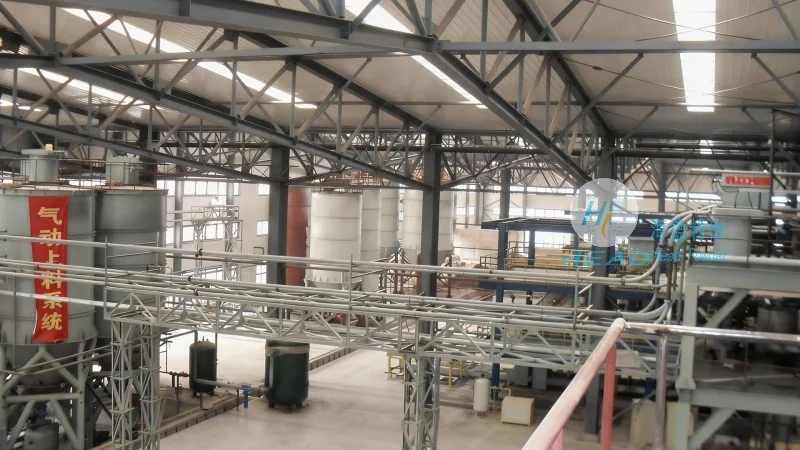
Truck and tanker transport is a widely used method for transporting epoxy resin over medium to long distances. This method involves loading the resin into specialized tankers, which are designed to handle the material's properties, such as its viscosity and potential for chemical reactions. The tankers are equipped with agitators to keep the resin mixed and prevent sedimentation during transport. The trucks are also fitted with pressure relief valves and temperature control systems to maintain the resin's stability. For companies like Shandong HeadPowder Engineering Co., Ltd., truck and tanker transport is essential for delivering epoxy resin to customers located outside the immediate vicinity of the production facility. This method allows for flexibility in delivery schedules and can accommodate both bulk and smaller quantities. The company ensures that all tankers are regularly inspected and maintained to meet safety standards, reducing the risk of accidents during transport. The use of professional drivers and adherence to traffic regulations further enhances the safety and reliability of this transportation method.
Containerized Transport
Containerized transport is another option for epoxy resin transportation, particularly for international shipments or when moving large volumes of resin. This method involves loading the resin into specialized containers, such as ISO tanks or bulk containers, which are designed to protect the material from external factors like temperature changes and contamination. The containers are equipped with valves and pressure relief systems to control the flow of resin during loading and unloading. Containerized transport allows for efficient handling and storage of the resin, as the containers can be stacked and transported on trucks, ships, or trains. For Shandong HeadPowder Engineering Co., Ltd., containerized transport is beneficial for exporting epoxy resin to global markets, as it provides a standardized and secure way to move the product. The company ensures that all containers are properly labeled and documented to comply with international shipping regulations, ensuring smooth customs clearance and delivery. This method is particularly useful for companies that need to transport large quantities of resin over long distances, as it reduces the number of handling steps and minimizes the risk of product damage.

 Shandong Headpowder Engineering Co., Ltd.
 156-6277-7102(Quản lý Trương)
  0531-83386006
  Thành phố Tế Nam, Tỉnh Sơn Đông, Trung Quốc
Điện thoại
WeChatTư vấn
Lên đầu