Với hơn 10 năm kinh nghiệm về vận chuyển khí nén, Headpowder Sơn Đông cung cấp hệ thống, thiết bị và quạt gió toàn chuỗi, đảm nhận các dự án kỹ thuật bột trọn gói trên toàn quốc.
When it comes to the transportation of ammonium chloride, selecting the right conveying method is crucial for ensuring efficiency, safety, and cost-effectiveness in industrial operations. Ammonium chloride (NH₄Cl) is a widely used chemical in various industries, including agriculture, pharmaceuticals, and chemical manufacturing. Its handling requires careful consideration of the material's properties, such as its granular or crystalline form, moisture content, and potential for dust generation. Different conveying methods are available, each with its own set of advantages and disadvantages. This article provides a detailed comparison of common ammonium chloride conveying methods, helping industrial professionals make informed decisions based on their specific operational needs.
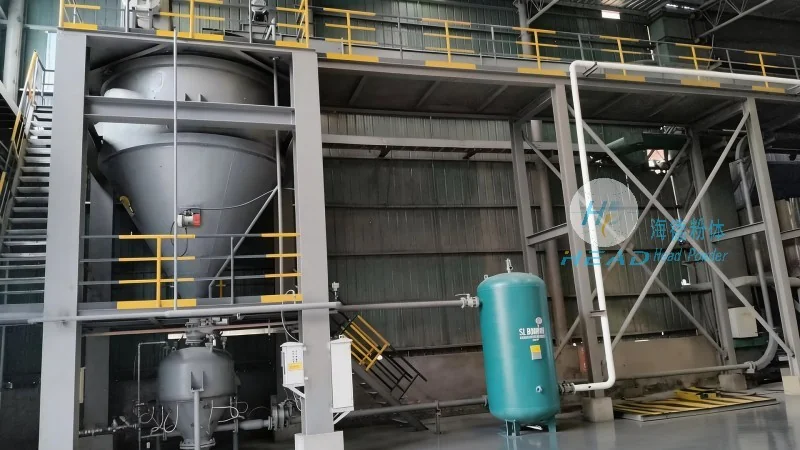
1. Pneumatic Conveying Systems: The Air-Driven Solution
Pneumatic conveying systems use compressed air to transport ammonium chloride particles through a pipeline. This method is particularly suitable for handling fine or dusty materials and can be categorized into two main types: pressure and vacuum systems. In pressure systems, air is introduced at the inlet, creating a positive pressure that pushes the material forward. Vacuum systems, on the other hand, create a negative pressure at the discharge end, drawing the material into the pipeline. One of the key advantages of pneumatic conveying is its ability to handle materials that are difficult to move with mechanical systems, such as those with high moisture content or sticky properties. It also allows for enclosed transportation, reducing dust exposure and improving workplace safety. However, pneumatic systems have some drawbacks. They require significant energy input due to the need for compressed air, which can increase operational costs. Additionally, the system's efficiency can be affected by the material's particle size and density, as larger or heavier particles may not be conveyed as effectively. Maintenance of the air filtration and separation equipment is also necessary to prevent clogging and ensure consistent performance.
2. Mechanical Conveyors: The Traditional Powerhouse
Mechanical conveyors, such as belt conveyors, screw conveyors, and bucket elevators, are widely used for ammonium chloride transportation. These systems rely on mechanical power to move the material through a system of rollers, belts, or screws. Belt conveyors are commonly used for horizontal or slightly inclined transport, providing a continuous and reliable method for moving bulk materials. Screw conveyors, also known as augers, are ideal for vertical or inclined transport and can handle materials with varying moisture levels. They are particularly effective for transporting ammonium chloride in its granular form, as the screw's rotation pushes the material forward. The main advantage of mechanical conveyors is their simplicity and low energy consumption compared to pneumatic systems. They are generally more cost-effective for short to medium distances and do not require compressed air. Additionally, they can handle a wide range of material types and are relatively easy to install and maintain. However, mechanical conveyors have limitations. They are not suitable for handling very fine or dusty materials, as the material may fall through the conveyor belt or cause excessive wear. The risk of material degradation or contamination is also higher with mechanical systems, as the material comes into direct contact with the conveyor components. Furthermore, mechanical conveyors may require regular lubrication and part replacement to maintain optimal performance.
3. Hydraulic Conveying: The High-Pressure Alternative
Hydraulic conveying systems use high-pressure water or slurry to transport ammonium chloride. This method is often used in mining and mineral processing applications but can also be applied to chemical handling. The material is mixed with water to form a slurry, which is then pumped through a pipeline under high pressure. The high pressure ensures that the material is transported efficiently over long distances. One of the primary advantages of hydraulic conveying is its ability to handle very fine or abrasive materials, as the slurry protects the pipeline from wear and tear. It also allows for the transportation of materials with high moisture content, which may be difficult to handle with other methods. However, hydraulic systems have significant drawbacks. They require a large amount of water, which can increase water usage and disposal costs. The system also needs to be equipped with efficient filtration and separation equipment to remove solids from the water, preventing clogging and maintaining flow. Additionally, the high pressure can lead to increased energy consumption and higher maintenance costs for pumps and pipelines. The risk of leaks and water contamination is also a concern, as hydraulic systems are more complex and require more maintenance than pneumatic or mechanical systems.
4. Comparison of Conveying Methods: Key Factors to Consider
When selecting a conveying method for ammonium chloride, several factors must be considered to ensure the best fit for the operation. The first factor is the material's properties, including particle size, density, and moisture content. Fine or dusty materials are better suited for pneumatic or hydraulic systems, while larger or bulkier materials may be handled more effectively with mechanical conveyors. The second factor is the distance and layout of the transportation route. Short distances may be suitable for mechanical or pneumatic systems, while long distances may require hydraulic or specialized pneumatic systems. The third factor is the operational cost, including energy consumption, maintenance, and equipment costs. Mechanical systems are generally the most cost-effective for short distances, while pneumatic systems may be more suitable for enclosed and dust-free environments. The fourth factor is safety and environmental considerations. Pneumatic systems provide better dust control and safety, while mechanical systems may require additional dust suppression measures. The fifth factor is the material's handling requirements, such as whether it needs to be transported in a dry or wet state. Hydraulic systems are ideal for wet or slurry applications, while mechanical systems are better for dry materials.
5. Conclusion: Choosing the Right Conveying Method for Ammonium Chloride
Choosing the right conveying method for ammonium chloride is a critical decision that impacts operational efficiency, safety, and cost. Pneumatic conveying offers enclosed transportation and dust control but requires high energy input. Mechanical conveyors provide simplicity and low energy consumption but may not handle fine materials well. Hydraulic conveying is suitable for wet or abrasive materials but requires significant water usage and maintenance. The best choice depends on the specific operational needs, including the material's properties, transportation distance, and budget constraints. By carefully evaluating these factors, industrial professionals can select the most appropriate conveying method to ensure safe and efficient handling of ammonium chloride. Shandong HeadPowder Engineering Co., Ltd., a leading provider of chemical handling solutions, offers a range of conveying systems tailored to meet the unique needs of industrial applications. With years of experience in the industry, the company provides expert guidance and customized solutions to help clients optimize their ammonium chloride transportation processes.

 Shandong Headpowder Engineering Co., Ltd.
 156-6277-7102(Quản lý Trương)
  0531-83386006
  Thành phố Tế Nam, Tỉnh Sơn Đông, Trung Quốc
Điện thoại
WeChatTư vấn
Lên đầu