Với hơn 10 năm kinh nghiệm về vận chuyển khí nén, Headpowder Sơn Đông cung cấp hệ thống, thiết bị và quạt gió toàn chuỗi, đảm nhận các dự án kỹ thuật bột trọn gói trên toàn quốc.
Phenolic powder, a crucial material in various industrial applications, requires efficient and reliable conveying systems to ensure smooth production processes. The choice of conveying method significantly impacts operational efficiency, material quality, and overall cost-effectiveness. This article provides a detailed comparison of common phenolic powder conveying methods, highlighting their advantages and disadvantages, to assist industries in selecting the most suitable solution for their specific needs.
Introduction to Phenolic Powder Conveying
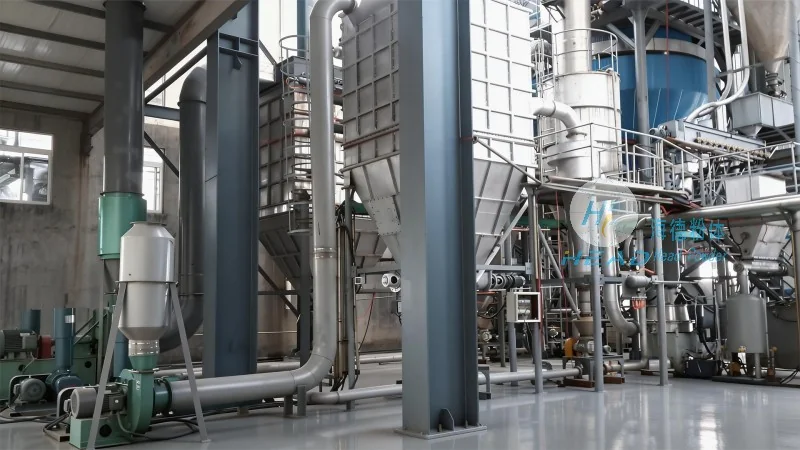
Phenolic powder, also known as Bakelite powder, is widely used in manufacturing processes due to its excellent electrical insulation properties and mechanical strength. Proper handling and conveying of this material are essential to prevent dust accumulation, maintain product integrity, and ensure worker safety. Conveying systems for phenolic powder must be designed to handle fine powders, minimize dust generation, and provide consistent flow rates. The following sections will explore several common conveying methods and evaluate their performance in these aspects.
1. Screw Conveyors for Phenolic Powder
Screw conveyors, also called auger conveyors, are among the most widely used equipment for transporting bulk materials, including phenolic powder. These systems consist of a rotating screw (auger) inside a U-shaped or cylindrical trough, which moves the material forward through rotation. For phenolic powder, screw conveyors offer several advantages. They are relatively simple in design, easy to install, and can handle a wide range of powder types with minimal maintenance. The enclosed design of screw conveyors effectively contains dust, reducing the risk of airborne contamination and improving workplace safety. Additionally, screw conveyors can operate continuously, providing a steady flow of material to downstream processes. However, screw conveyors also have limitations when used with phenolic powder. The rotating screw can cause friction and heat generation, which may affect the material's properties, especially if the powder is sensitive to temperature changes. Moreover, the risk of material bridging or clogging is higher with fine powders like phenolic powder, requiring regular cleaning and maintenance to prevent operational disruptions. The cost of installation and maintenance for screw conveyors can also be a factor, particularly for large-scale applications.
2. Pneumatic Conveying Systems
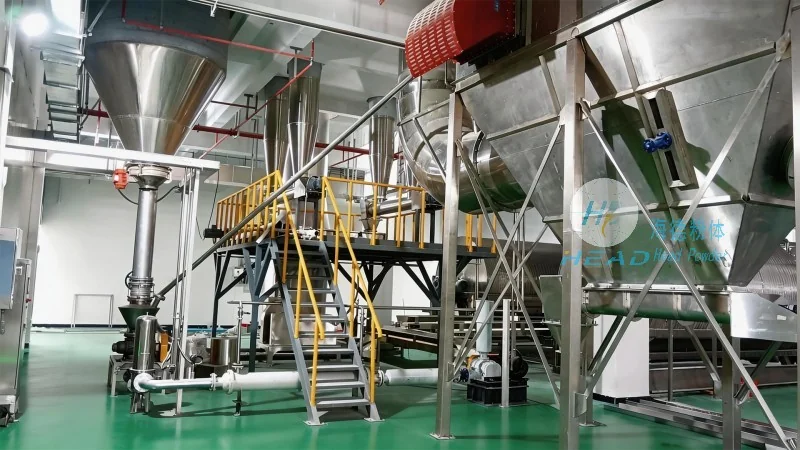
Pneumatic conveying systems use air or other gases to transport phenolic powder through a pipeline network. These systems are categorized into two main types: pressure and vacuum. Pressure systems use compressed air to push the powder forward, while vacuum systems use a vacuum to draw the material into the pipeline. Pneumatic conveying offers several benefits for phenolic powder handling. It provides a fully enclosed system, eliminating dust emissions and ensuring environmental compliance. The flexibility of pneumatic systems allows for complex routing, enabling material to be transported over long distances or around obstacles. This method is particularly effective for transporting fine powders, as the air flow helps to keep the particles suspended and prevents clogging. Pneumatic conveying also allows for the integration of multiple processing steps, such as mixing or drying, within the conveying line. However, pneumatic systems have significant drawbacks when applied to phenolic powder. The high air velocities required to move fine powders can lead to increased energy consumption, making them less cost-effective for large volumes. Additionally, the risk of material degradation due to friction and heat is higher in pneumatic systems compared to other methods. The system also requires careful design to prevent pressure surges or vacuum fluctuations, which can cause material spillage or equipment damage. Maintenance of pneumatic components, such as filters and pumps, is more complex and costly compared to other conveying systems.
3. Belt Conveyors for Phenolic Powder
Belt conveyors are another common method for transporting phenolic powder, especially in applications requiring long-distance or high-volume material movement. These systems consist of a continuous belt that moves over rollers or pulleys, carrying the powder from one location to another. Belt conveyors offer several advantages for phenolic powder handling. They can transport large quantities of material over extended distances with minimal maintenance, making them suitable for large-scale industrial operations. The enclosed design of belt conveyors helps to contain dust and improve safety. The system is also relatively simple to operate and can be integrated with other equipment, such as hoppers or storage silos. However, belt conveyors have limitations when used with fine powders like phenolic powder. The risk of material spillage or dust accumulation on the belt is higher, requiring regular cleaning and maintenance to prevent operational issues. The system is also less flexible in terms of routing compared to pneumatic or screw conveyors, as the belt must be re-routed or replaced for changes in material flow. Additionally, the initial cost of installation for belt conveyors can be higher, particularly for large-scale applications. The maintenance of belts and rollers also adds to the overall operational cost.
4. Bucket Elevators for Vertical Conveying
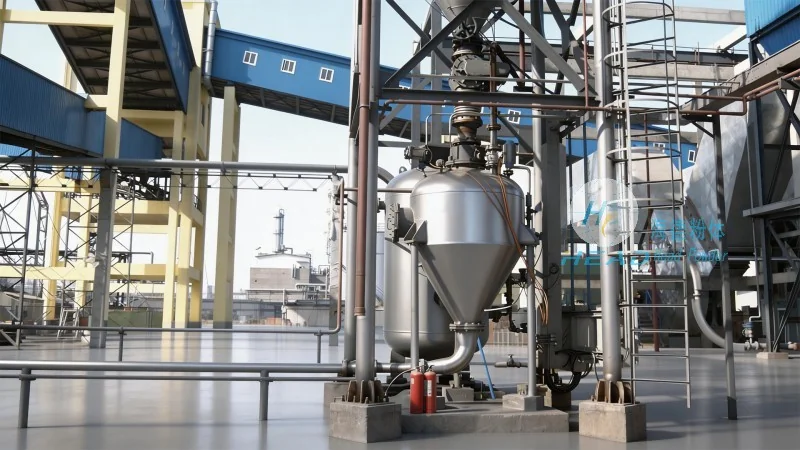
Bucket elevators are specifically designed for vertical transport of bulk materials, including phenolic powder. These systems consist of a vertical or inclined conveyor with a series of buckets attached to a chain or belt, which lifts the material from a lower to a higher level. Bucket elevators offer several advantages for vertical phenolic powder conveying. They provide a high-capacity, continuous flow of material, making them ideal for applications requiring vertical movement, such as material transfer between storage silos and processing equipment. The enclosed design of bucket elevators effectively contains dust, ensuring safety and compliance. The system is also relatively simple to maintain, as the buckets and chain are designed to handle abrasive materials like phenolic powder. However, bucket elevators have significant limitations when used with fine powders. The risk of material bridging or clogging is higher in vertical systems, as the material must be lifted against gravity. This can lead to operational disruptions and increased maintenance needs. The system also requires careful design to prevent material spillage or belt slip, which can cause equipment damage. The initial cost of installation for bucket elevators can be higher compared to other conveying methods, particularly for large-scale applications. The maintenance of buckets and chains is also more complex, as they are subject to wear and tear from the abrasive powder.
5. Comparison and Selection Criteria
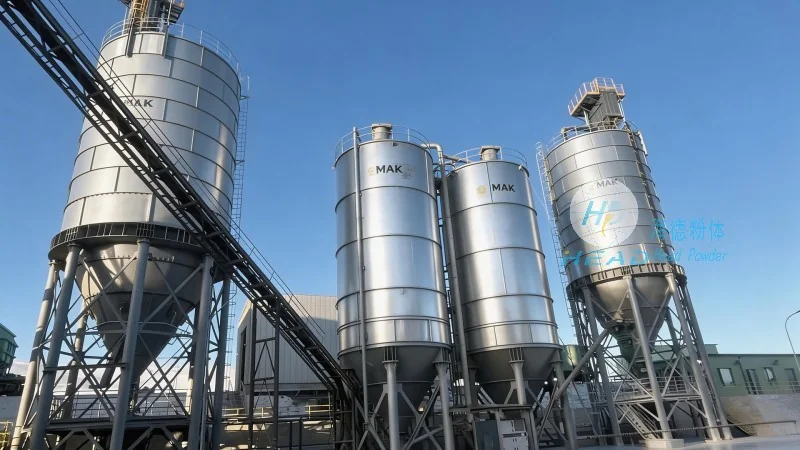
When selecting a phenolic powder conveying method, several factors must be considered to ensure the most suitable choice. The primary factors include material properties, such as particle size, moisture content, and abrasiveness, as well as operational requirements like distance, capacity, and environmental regulations. The choice of conveying method should also consider the cost of installation, maintenance, and energy consumption. For example, screw conveyors may be suitable for short-distance, low-volume applications with minimal dust concerns, while pneumatic systems are better for long-distance or fine powder handling with strict environmental requirements. Belt conveyors are ideal for large-scale, horizontal material movement, and bucket elevators are necessary for vertical transport. The specific needs of the industry and the characteristics of the phenolic powder will ultimately determine the most effective conveying solution. It is recommended to consult with equipment manufacturers, such as Shandong HeadPowder Engineering Co., Ltd., to evaluate the best conveying method for individual applications and ensure optimal performance and cost-effectiveness.
Conclusion
Efficient and reliable phenolic powder conveying is essential for maintaining production efficiency and product quality in industrial applications. The comparison of common conveying methods—screw conveyors, pneumatic systems, belt conveyors, and bucket elevators—highlights the trade-offs between advantages and disadvantages in terms of design, operation, and cost. By carefully evaluating material properties and operational requirements, industries can select the most suitable conveying method to meet their specific needs. Proper maintenance and regular inspection of the chosen system are also crucial to ensure long-term performance and minimize operational disruptions. With the expertise of companies like Shandong HeadPowder Engineering Co., Ltd., industries can achieve optimal phenolic powder handling solutions tailored to their unique requirements.

 Shandong Headpowder Engineering Co., Ltd.
 156-6277-7102(Quản lý Trương)
  0531-83386006
  Thành phố Tế Nam, Tỉnh Sơn Đông, Trung Quốc
Điện thoại
WeChatTư vấn
Lên đầu