Với hơn 10 năm kinh nghiệm về vận chuyển khí nén, Headpowder Sơn Đông cung cấp hệ thống, thiết bị và quạt gió toàn chuỗi, đảm nhận các dự án kỹ thuật bột trọn gói trên toàn quốc.
When it comes to the efficient handling and transportation of calcium carbonate limestone powder, selecting the right conveying method is crucial for industrial operations. This article explores various effective methods used in the industry, focusing on the technical aspects and practical applications that ensure smooth material flow. The following discussion will cover key approaches that help businesses optimize their powder handling processes. As a leading provider in the field, Shandong HeadPowder Engineering Co., Ltd. (commonly known as HeadPowder) specializes in advanced powder handling solutions tailored to meet the diverse needs of industrial clients.
Overview of Common Conveying Techniques
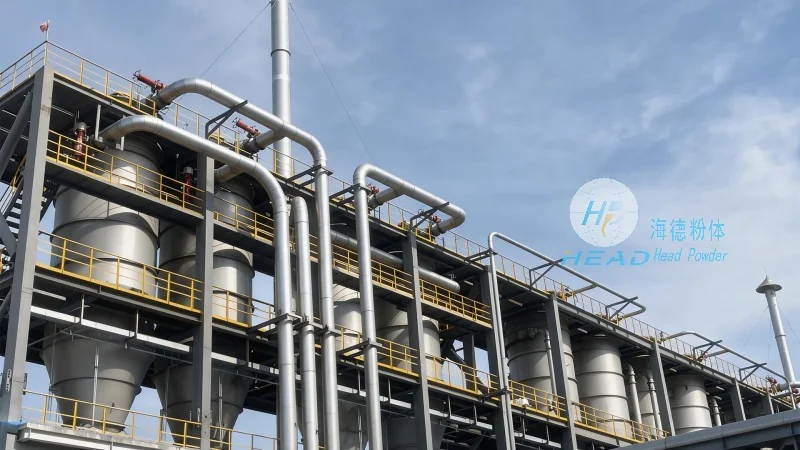
Conveying calcium carbonate limestone powder involves moving the fine powder from one location to another within a facility or between different stages of production. The choice of method depends on factors such as the powder's properties, the distance to be covered, and the required flow rate. Common techniques include pneumatic conveying, mechanical conveying, and hybrid systems. Each method has its advantages and limitations, which are important to consider when designing a powder handling system.
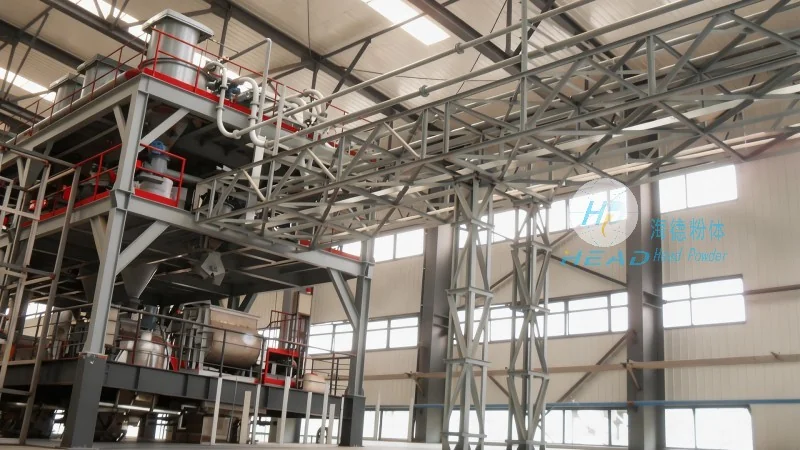
Pneumatic Conveying Systems
Pneumatic conveying is a widely used method for transporting calcium carbonate limestone powder due to its ability to handle fine powders over moderate distances. This technique involves using air or other gases to move the powder through a pipeline. There are two main types of pneumatic conveying: pressure and vacuum systems. Pressure systems use compressed air to push the powder forward, while vacuum systems use a vacuum to draw the powder into the pipeline. The choice between these systems depends on the specific application and the characteristics of the powder. For example, pressure systems are often used for short to medium distances, while vacuum systems are suitable for longer distances or when the powder needs to be collected from multiple points.
Mechanical Conveying Methods
Mechanical conveying methods are another common approach for calcium carbonate limestone powder handling. These systems use mechanical components such as belts, screws, and buckets to move the powder. Belt conveyors are widely used for horizontal or slightly inclined transport, while screw conveyors are effective for vertical or inclined transport. Bucket elevators are used for vertical lifting of the powder. The selection of a mechanical conveying system depends on the powder's bulk density, flowability, and the required capacity. Mechanical systems are generally more cost-effective for short distances and lower flow rates compared to pneumatic systems.
Hybrid Conveying Systems
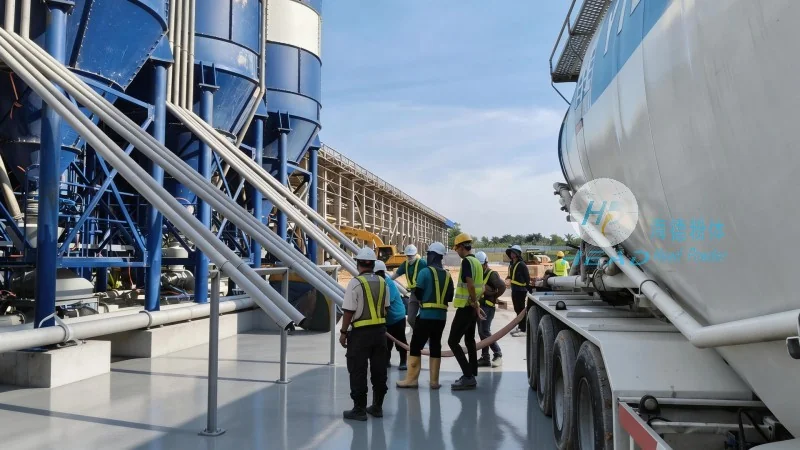
Hybrid conveying systems combine pneumatic and mechanical components to leverage the advantages of both methods. These systems are often used for complex powder handling applications where a single method may not be sufficient. For example, a hybrid system might use a pneumatic conveyor to transport the powder from a storage silo to a processing unit, and then use a mechanical conveyor to move the powder to a final destination. This approach allows for flexibility and efficiency in handling varying flow rates and distances. Hybrid systems are particularly useful in large-scale industrial operations where multiple powder handling tasks need to be integrated.
Key Considerations for Choosing a Conveying Method
When selecting a conveying method for calcium carbonate limestone powder, several factors need to be considered. The first is the powder's properties, such as its particle size, moisture content, and flowability. These properties affect the system's design and performance. The second factor is the distance and layout of the facility. The third is the required flow rate and capacity. The fourth is the cost and maintenance requirements. By carefully evaluating these factors, businesses can choose the most suitable conveying method that meets their operational needs and budget constraints.
Conclusion
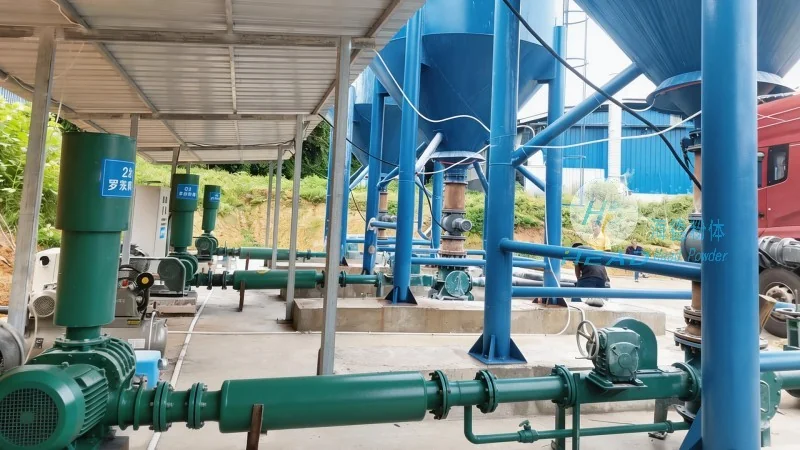
In conclusion, the choice of calcium carbonate limestone powder conveying method depends on various factors, including the powder's properties, the distance to be covered, and the required flow rate. Pneumatic, mechanical, and hybrid systems each offer unique advantages and are suitable for different applications. By understanding the technical aspects and practical considerations of each method, businesses can optimize their powder handling processes and improve overall operational efficiency. The right conveying method not only ensures smooth material flow but also contributes to cost savings and increased productivity. Shandong HeadPowder Engineering Co., Ltd. continues to innovate and provide reliable solutions for calcium carbonate limestone powder handling, supporting clients in achieving their operational goals with efficiency and precision.

 Shandong Headpowder Engineering Co., Ltd.
 156-6277-7102(Quản lý Trương)
  0531-83386006
  Thành phố Tế Nam, Tỉnh Sơn Đông, Trung Quốc
Điện thoại
WeChatTư vấn
Lên đầu