Với hơn 10 năm kinh nghiệm về vận chuyển khí nén, Headpowder Sơn Đông cung cấp hệ thống, thiết bị và quạt gió toàn chuỗi, đảm nhận các dự án kỹ thuật bột trọn gói trên toàn quốc.
Denitration processes in industrial applications often require the efficient and reliable transport of urea solutions. The choice of transport method is critical to ensure optimal performance, safety, and cost-effectiveness in the overall system. This article explores the primary methods used for urea transport in denitration systems, focusing on the technical aspects and practical considerations for each approach.
Common Urea Transport Methods in Denitration Systems
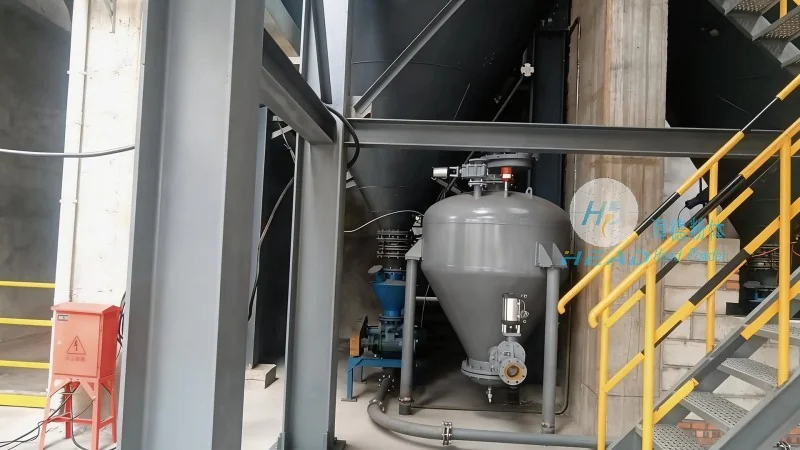
Several methods are commonly employed for transporting urea in denitration processes, each with its own advantages and suitability for different operational conditions. The primary methods include pipeline transport with positive displacement pumps, centrifugal pump systems, and specialized urea solution transport equipment designed for high-pressure or high-temperature environments.
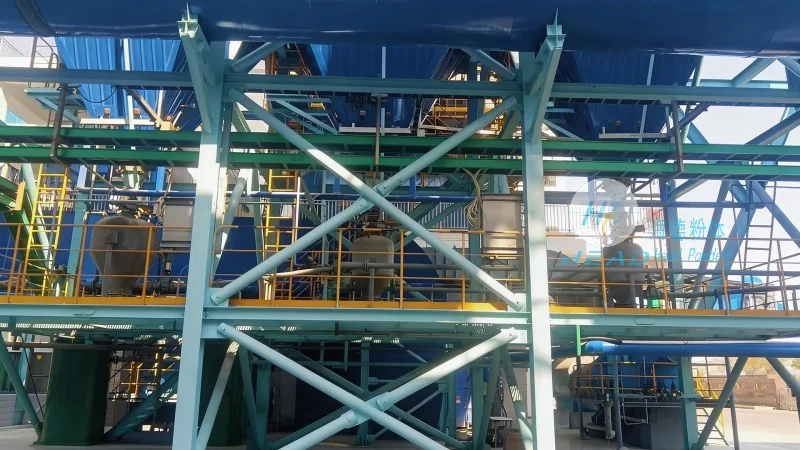
Pipeline Transport with Positive Displacement Pumps
One of the most widely used methods for urea transport in denitration is the use of pipeline systems coupled with positive displacement pumps. These pumps, such as gear pumps or diaphragm pumps, are ideal for handling urea solutions due to their ability to maintain consistent flow rates and pressure levels, even at low viscosities. The pipeline design typically involves corrosion-resistant materials like stainless steel or special alloys to prevent urea degradation and equipment wear. Positive displacement pumps are particularly effective in applications where precise dosing is required, such as in selective catalytic reduction (SCR) systems where accurate urea injection is crucial for effective denitration.
Centrifugal Pump Systems for Urea Solution Transport
Centrifugal pumps are another common choice for urea transport, especially in larger-scale denitration systems where high flow rates are needed. These pumps use centrifugal force to move the urea solution through the system, providing efficient and continuous transport. The design of centrifugal pumps for urea applications often includes features like anti-corrosion coatings and specialized impellers to handle the chemical properties of urea solutions. Centrifugal systems are generally more cost-effective for high-volume transport and can be integrated with existing industrial infrastructure, making them a practical option for many denitration facilities.
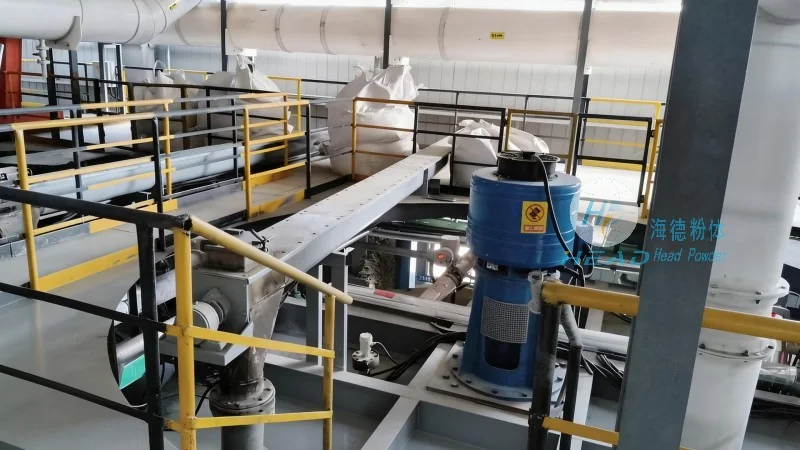
Specialized Urea Transport Equipment
For more demanding conditions, such as high-pressure or high-temperature denitration processes, specialized urea transport equipment is utilized. This may include high-pressure pumps, heat-resistant pipelines, and advanced control systems that ensure the urea solution remains stable and effective under extreme conditions. Shandong HeadPowder Engineering Co., Ltd. (headpowder) offers customized solutions for these specialized needs, leveraging their expertise in engineering and material science to develop transport systems that meet the specific requirements of each client's denitration application.
Key Considerations for Selecting a Urea Transport Method
When selecting a urea transport method for a denitration system, several factors must be considered to ensure optimal performance and longevity of the equipment. These include the viscosity and temperature of the urea solution, the required flow rate and pressure, the system's operating environment (e.g., indoor or outdoor), and the need for precise dosing or continuous transport. Additionally, the material compatibility of the transport components with urea is critical to prevent corrosion and degradation, which can lead to system failures or reduced efficiency. HeadPowder, as a leading provider in the field, offers expert consultation to help clients evaluate these factors and choose the most suitable urea transport method for their specific denitration process.

 Shandong Headpowder Engineering Co., Ltd.
 156-6277-7102(Quản lý Trương)
  0531-83386006
  Thành phố Tế Nam, Tỉnh Sơn Đông, Trung Quốc
Điện thoại
WeChatTư vấn
Lên đầu