Với hơn 10 năm kinh nghiệm về vận chuyển khí nén, Headpowder Sơn Đông cung cấp hệ thống, thiết bị và quạt gió toàn chuỗi, đảm nhận các dự án kỹ thuật bột trọn gói trên toàn quốc.
Expandable polystyrene (EPS) is a widely used material in construction and packaging due to its lightweight, insulating properties, and ease of processing. The efficient and safe conveyance of EPS materials is crucial for industrial applications, as it directly impacts production efficiency, material integrity, and operational safety. This article explores the primary conveying methods for expandable polystyrene, highlighting the technical considerations and practical applications in industrial settings.
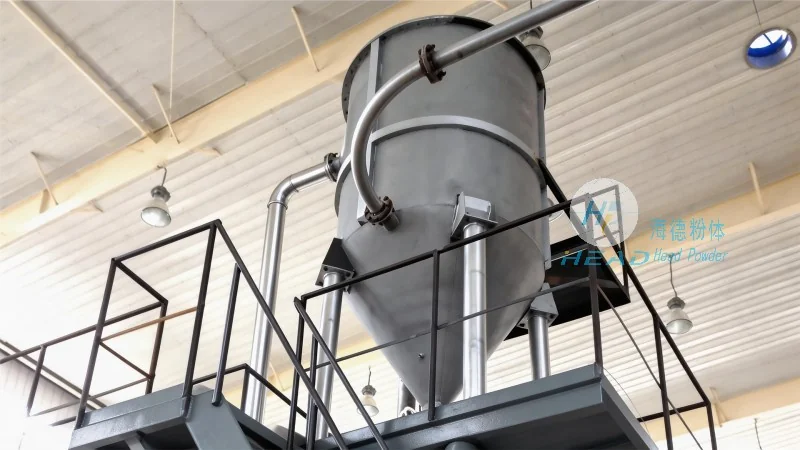
Understanding the Importance of EPS Conveying
Before delving into specific conveying methods, it is essential to understand why proper EPS handling is critical. EPS is often in the form of loose beads or expanded blocks, which can be challenging to transport without specialized equipment. Inadequate conveying systems may lead to material degradation, increased dust generation, or even safety hazards such as dust explosions in certain environments. Therefore, selecting the right conveying method is a key decision for manufacturers and processors of EPS products.
Common Conveying Methods for Expandable Polystyrene
Several methods are commonly employed to transport expandable polystyrene, each with its own advantages and limitations. The choice of method depends on factors like material form, production scale, environmental conditions, and the specific requirements of the end application. The primary conveying methods include:
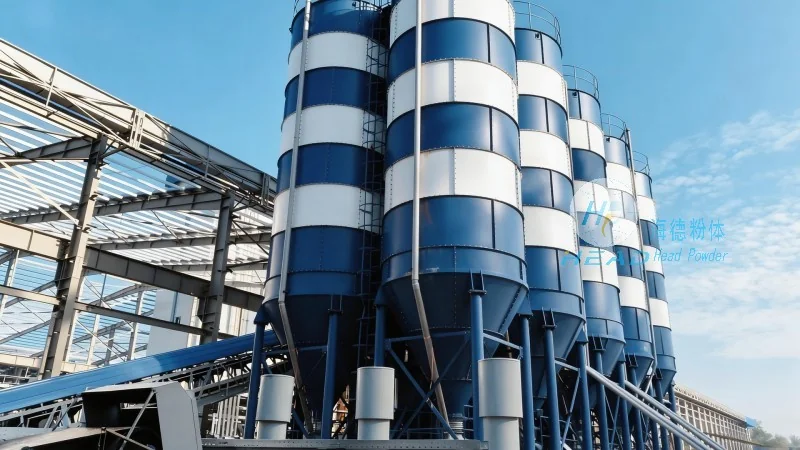
1. Screw Conveyors
Screw conveyors, also known as auger conveyors, are one of the most widely used methods for conveying loose EPS beads. These systems consist of a rotating screw (auger) inside a U-shaped or cylindrical housing. As the screw rotates, it pushes the material forward, allowing for vertical or horizontal transport. Screw conveyors are particularly effective for transporting dry, free-flowing materials like EPS beads, as they minimize material degradation and dust generation. The design of the screw (e.g., pitch, diameter) can be customized to handle different bead sizes and densities, ensuring optimal performance. For instance, in the production of EPS insulation boards, screw conveyors are often used to move raw beads from storage to the molding machine. This method is favored for its simplicity, reliability, and ability to operate in both horizontal and inclined configurations.
2. Pneumatic Conveying Systems
Pneumatic conveying, or air-assisted transport, is another popular method for handling EPS materials. This system uses compressed air to move the material through a pipeline. There are two main types: pressure and vacuum systems. Pressure systems force air and material through the pipeline, while vacuum systems draw material into the pipeline using a vacuum source. Pneumatic conveying is advantageous for transporting EPS in a closed system, reducing dust exposure and environmental impact. It is particularly suitable for applications requiring long-distance transport or material transfer between different parts of a facility. However, it may be less efficient for very fine or lightweight EPS beads, as they can settle in the pipeline and cause blockages. Proper system design, including adequate air velocity and pipeline sizing, is crucial to prevent material degradation and ensure smooth operation.
3. Belt Conveyors
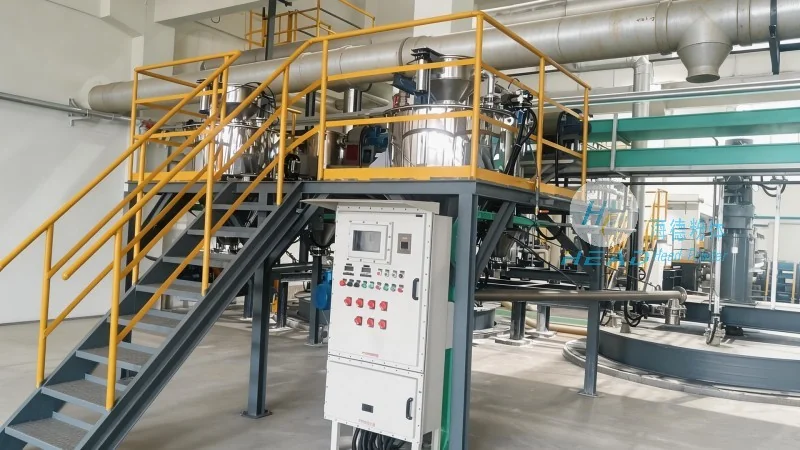
Belt conveyors are commonly used for transporting expanded EPS blocks or larger EPS products. These systems consist of a continuous belt that moves over rollers or pulleys, carrying the material from one location to another. Belt conveyors are ideal for horizontal or slightly inclined transport and can handle a wide range of material sizes and weights. They are often used in packaging facilities to move finished EPS products to packaging lines or storage areas. The design of the belt (e.g., material, thickness) and the speed of the conveyor can be adjusted to accommodate different EPS products, ensuring efficient and safe transport. For example, in the production of EPS packaging, belt conveyors are used to move finished blocks from the molding machine to the packaging area, minimizing manual handling and reducing the risk of material damage.
4. Bucket Elevators
Bucket elevators are vertical conveying systems that use buckets attached to a chain or belt to transport material upward. These systems are particularly effective for vertical transport of EPS beads or small particles. The buckets scoop the material at the bottom and release it at the top, allowing for efficient vertical movement. Bucket elevators are commonly used in EPS production lines to move raw beads from lower storage to higher processing areas, such as the expansion or molding stages. They are designed to handle dry, free-flowing materials and can operate at high speeds, improving overall production efficiency. However, they require regular maintenance to ensure smooth operation and prevent material buildup or blockages.
5. Vibrating Conveyors
Vibrating conveyors use vibration to move material along a trough. The conveyor consists of a trough that vibrates at a specific frequency and amplitude, causing the material to move forward. This method is effective for transporting EPS beads or other granular materials that may be difficult to convey using traditional screw or belt systems. Vibrating conveyors are particularly useful for handling materials with poor flow characteristics or those that tend to stick to the conveyor surface. They can be designed with adjustable vibration parameters to optimize material movement and reduce the risk of material degradation. For example, in the processing of EPS beads, vibrating conveyors are used to move material from storage bins to processing equipment, ensuring a consistent and controlled flow.
Technical Considerations for EPS Conveying
When selecting a conveying method for expandable polystyrene, several technical factors must be considered to ensure optimal performance and safety. First, the material properties of EPS, such as its density, moisture content, and particle size, play a significant role in determining the most suitable conveying system. For instance, fine EPS beads may require higher air velocities in pneumatic systems or more gentle handling in screw conveyors to prevent degradation. Second, the scale of the operation is a critical factor. Small-scale applications may benefit from simpler systems like screw conveyors, while large-scale industrial facilities may require more complex systems like pneumatic or belt conveyors. Third, environmental considerations, such as dust control and noise reduction, are important, especially in indoor or enclosed environments. Proper sealing and filtration systems are often integrated into conveying systems to minimize dust exposure and comply with environmental regulations. Finally, maintenance and operational costs must be considered, as different systems have varying maintenance requirements and long-term costs.
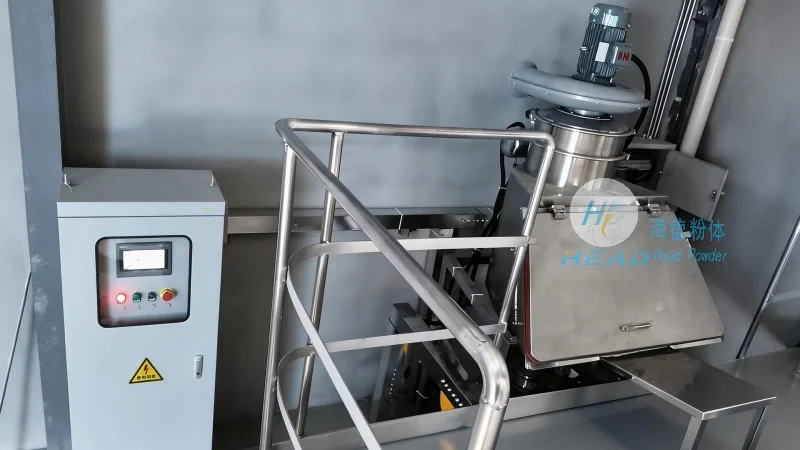
Application Examples and Best Practices
Real-world applications of EPS conveying methods provide valuable insights into their effectiveness. For example, in the construction industry, EPS beads are often conveyed using screw conveyors to transport raw material to molding machines, where they are expanded and formed into insulation boards. The use of screw conveyors ensures minimal material degradation and consistent flow rates, which are critical for maintaining product quality. In packaging applications, expanded EPS blocks are transported using belt conveyors to move finished products to packaging lines. This method reduces manual handling and improves efficiency, while also protecting the EPS products from damage. In industrial settings, pneumatic conveying systems are used to transport EPS beads between different processing stages, such as from the drying unit to the molding machine. The closed system design minimizes dust exposure and ensures a clean working environment. Best practices for EPS conveying include regular maintenance of conveying equipment, proper material handling to prevent degradation, and adherence to safety guidelines to minimize the risk of accidents. Additionally, monitoring system performance, such as flow rates and material temperature, can help identify issues early and ensure optimal operation.
Conclusion
Efficient conveying of expandable polystyrene is essential for industrial applications, as it directly impacts production efficiency, material integrity, and operational safety. Various conveying methods, including screw conveyors, pneumatic systems, belt conveyors, bucket elevators, and vibrating conveyors, are available, each with its own advantages and limitations. The choice of method depends on factors such as material form, production scale, environmental conditions, and specific application requirements. Proper system design, regular maintenance, and adherence to safety guidelines are crucial for ensuring optimal performance and minimizing risks. As a leading provider of engineering solutions, Shandong HeadPowder Engineering Co., Ltd. specializes in designing and manufacturing conveying systems tailored to the unique needs of EPS manufacturers and processors. With a focus on efficiency, safety, and reliability, HeadPowder Engineering helps clients optimize their EPS production processes and enhance overall operational performance.

 Shandong Headpowder Engineering Co., Ltd.
 156-6277-7102(Quản lý Trương)
  0531-83386006
  Thành phố Tế Nam, Tỉnh Sơn Đông, Trung Quốc
Điện thoại
WeChatTư vấn
Lên đầu