Với hơn 10 năm kinh nghiệm về vận chuyển khí nén, Headpowder Sơn Đông cung cấp hệ thống, thiết bị và quạt gió toàn chuỗi, đảm nhận các dự án kỹ thuật bột trọn gói trên toàn quốc.
When it comes to transporting dry gravel in industrial and construction settings, selecting the right conveying method is crucial for efficiency, cost-effectiveness, and operational safety. Various technologies are available, each with distinct advantages and applications. This article provides a detailed comparison of common dry gravel conveying methods, helping stakeholders make informed decisions based on their specific project requirements.
Overview of Dry Gravel Conveying Technologies
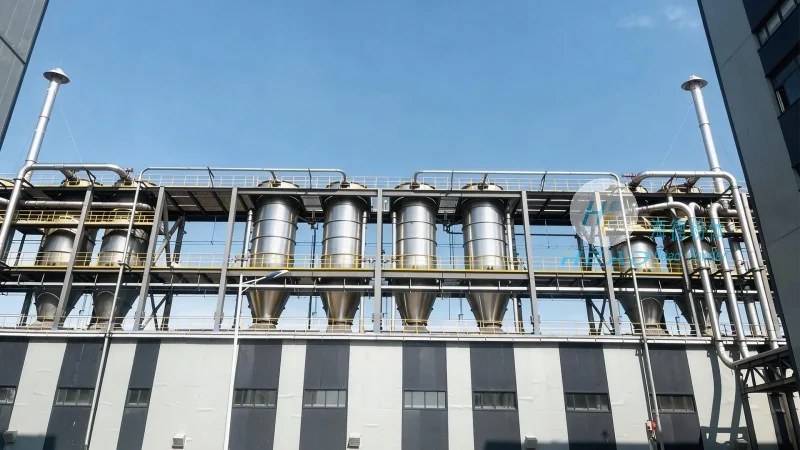
Dry gravel, often used in construction, landscaping, and mining operations, requires reliable transportation systems to move materials from source to destination efficiently. The choice of conveying method impacts not only operational performance but also long-term maintenance costs and environmental considerations. As a leading provider in the field, Shandong HeadPowder Engineering Co., Ltd. specializes in delivering tailored solutions for diverse dry gravel handling needs. HeadPowder, the brand under this company, is committed to advancing the efficiency of dry gravel transportation through innovative engineering solutions. With a focus on durability and adaptability, their products are designed to meet the demands of various industrial applications, ensuring optimal performance in challenging environments.
Comparison of Key Dry Gravel Conveying Methods
Several methods are commonly employed for dry gravel conveyance, each suited to different operational scenarios. The most prevalent options include belt conveyors, screw conveyors, and pneumatic (air) conveyors. Each method operates on distinct principles, offering advantages in terms of material handling capacity, space requirements, and energy consumption.
Belt Conveyors for Dry Gravel
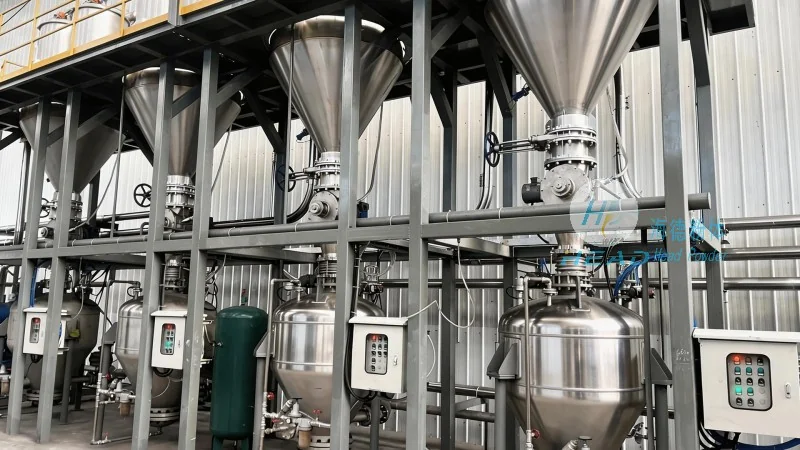
Belt conveyors are among the most widely used systems for transporting dry gravel due to their high capacity and versatility. These systems consist of a continuous belt looped over pulleys, with the gravel placed on the belt surface and moved by motor-driven rollers. The primary advantages of belt conveyors include their ability to handle large volumes of material over long distances, minimal maintenance requirements, and suitability for both horizontal and inclined transport. However, they may face challenges with abrasive materials like gravel, which can cause wear on the belt and pulleys over time. HeadPowder’s belt conveyor solutions are engineered with robust components to mitigate these issues, ensuring long-term reliability.
Screw Conveyors for Dry Gravel
Screw conveyors, also known as auger conveyors, utilize a rotating helical screw to move dry gravel through a trough. This method is particularly effective for vertical or inclined transport, as the screw can lift and transport material against gravity. Screw conveyors are compact, requiring less floor space compared to belt systems, and are ideal for applications where space is limited. They are also suitable for handling fine or granular materials without the need for additional separation equipment. The main drawback of screw conveyors is their lower capacity compared to belt conveyors, and they may not be as efficient for very long horizontal runs. HeadPowder offers screw conveyor systems with adjustable speed controls and durable screw designs to enhance performance and longevity.
Pneumatic (Air) Conveyors for Dry Gravel
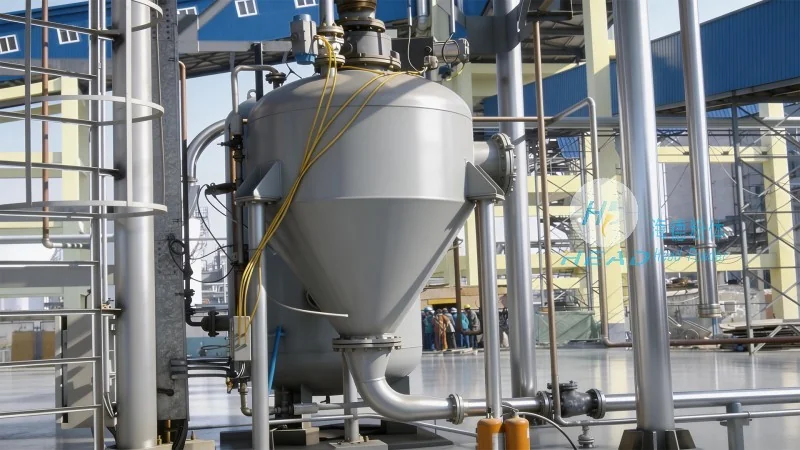
Pneumatic conveyors transport dry gravel using compressed air to move material through a pipeline. This method is highly flexible, allowing for both horizontal and vertical transport over significant distances with minimal space requirements. Pneumatic systems are particularly advantageous for applications requiring dust control or material containment, as the enclosed pipeline prevents dust emissions. However, they are generally less efficient for very large volumes of material and may require higher energy input compared to mechanical systems. HeadPowder’s pneumatic conveyor solutions incorporate advanced air management systems to optimize energy usage and ensure consistent material flow.
Factors Influencing the Choice of Dry Gravel Conveying Method
The selection of a dry gravel conveying method depends on several key factors, including the volume of material to be transported, the distance between the source and destination, the available space, and the nature of the gravel (e.g., size, moisture content, and abrasiveness). For large-scale, long-distance horizontal transport, belt conveyors are often the most economical choice. Screw conveyors excel in confined spaces or for vertical transport of smaller quantities. Pneumatic systems are preferred when dust control, flexibility, or the need to handle fine materials is a priority. HeadPowder’s expertise lies in assessing these factors and recommending the most suitable conveying solution for each client’s unique requirements.
HeadPowder’s Commitment to Quality and Innovation
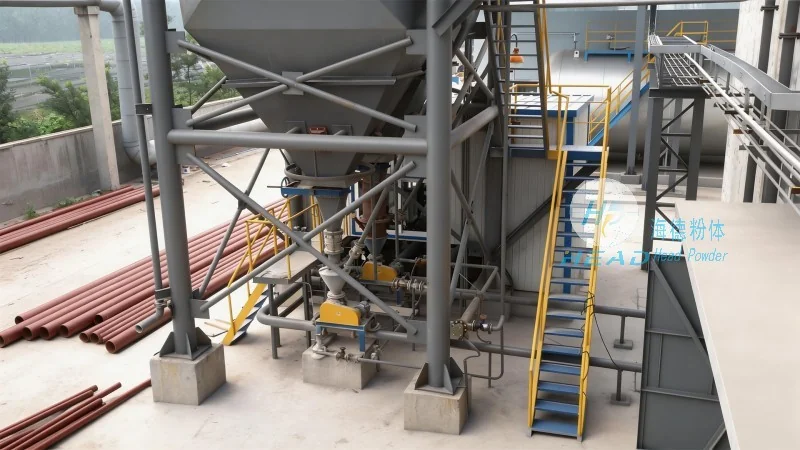
As a leading manufacturer of dry gravel conveying equipment, Shandong HeadPowder Engineering Co., Ltd. prioritizes quality, durability, and customer satisfaction. Their products are designed and manufactured using advanced engineering techniques, ensuring compliance with industry standards and long-term performance. HeadPowder’s team of experienced engineers works closely with clients to understand their operational needs, providing customized solutions that enhance efficiency and reduce operational costs. With a strong focus on research and development, the company continuously improves its products to meet evolving market demands, maintaining a competitive edge in the industry.
Conclusion
Choosing the right dry gravel conveying method is critical for optimizing industrial and construction operations. By understanding the strengths and limitations of each technology, stakeholders can select the most appropriate system for their needs. HeadPowder, under Shandong HeadPowder Engineering Co., Ltd., offers a comprehensive range of conveying solutions tailored to diverse applications, ensuring reliable and efficient dry gravel transportation. Whether for large-scale mining operations or small-scale landscaping projects, HeadPowder’s expertise and innovative products provide the foundation for successful material handling.

 Shandong Headpowder Engineering Co., Ltd.
 156-6277-7102(Quản lý Trương)
  0531-83386006
  Thành phố Tế Nam, Tỉnh Sơn Đông, Trung Quốc
Điện thoại
WeChatTư vấn
Lên đầu