Với hơn 10 năm kinh nghiệm về vận chuyển khí nén, Headpowder Sơn Đông cung cấp hệ thống, thiết bị và quạt gió toàn chuỗi, đảm nhận các dự án kỹ thuật bột trọn gói trên toàn quốc.
Commonly used methods include screw conveyors, vibrating conveyors, and pneumatic (air) conveyors, each with distinct operational principles and applications.
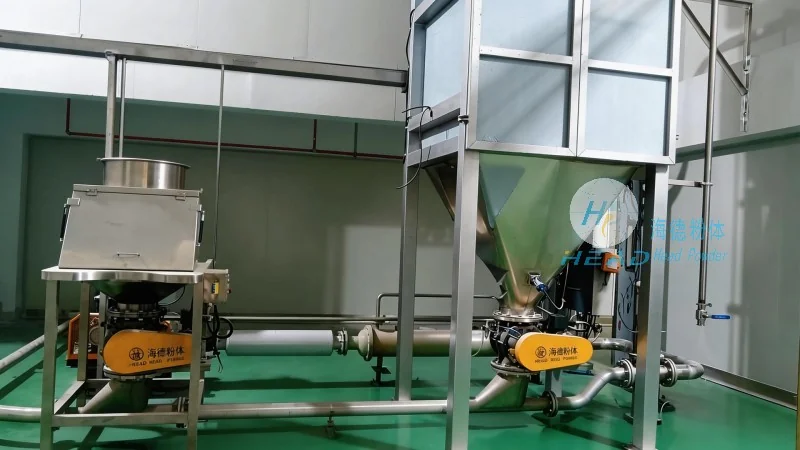
Introduction to Capsule Conveying Methods
In the pharmaceutical and nutraceutical industries, efficient and reliable capsule conveying is crucial for maintaining production line integrity and product quality. Various methods are employed to transport capsules from one stage of manufacturing to another, each with its own set of advantages and disadvantages. Understanding these differences helps manufacturers select the most suitable system for their specific needs.
Overview of Conveying Systems for Capsules
Conveying systems for capsules are designed to handle the delicate nature of these dosage forms while ensuring minimal damage and consistent flow. The primary goal is to move capsules smoothly and without breakage, as even minor impacts can affect the final product's integrity. Commonly used methods include screw conveyors, vibrating conveyors, and pneumatic (air) conveyors, each with distinct operational principles and applications.
Detailed Analysis of Common Conveying Methods
Screw Conveyors
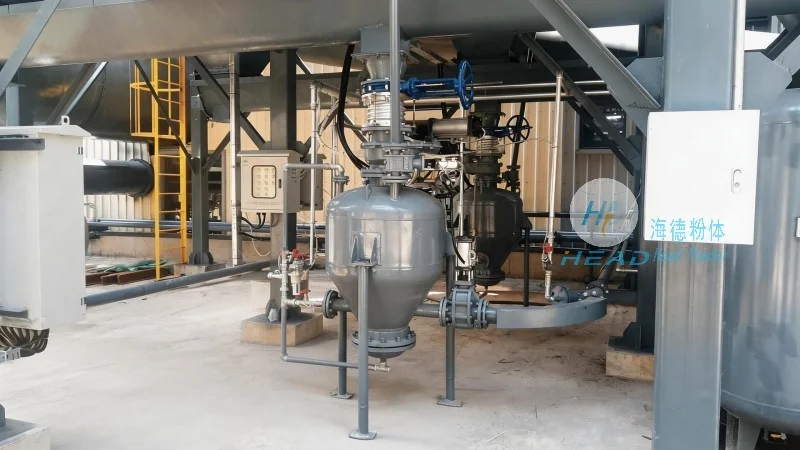
Screw conveyors, also known as auger conveyors, use a rotating helical screw to move capsules along a trough. This method is particularly effective for horizontal or slightly inclined transport. The screw's rotation pushes the capsules forward, providing a continuous and controlled flow. Advantages of screw conveyors include their simplicity, low maintenance, and ability to handle a wide range of capsule sizes and shapes. They are also suitable for conveying capsules in a closed system, which helps maintain hygiene and prevent contamination.
However, screw conveyors have limitations. The friction between the screw and the capsules can cause wear and tear on both components over time. Additionally, they may not be ideal for vertical transport due to the risk of capsule damage from excessive pressure. The system's efficiency can also be affected by the density and moisture content of the capsules being conveyed.
Vibrating Conveyors
Vibrating conveyors utilize an oscillating motion to move capsules through a trough. This method is effective for both horizontal and vertical transport, making it versatile for different production layouts. The conveyor's vibration helps maintain a consistent flow, reducing the risk of stagnation or blockages. Vibrating conveyors are often preferred for their ability to handle capsules with varying sizes and shapes without causing significant damage.
The main advantages of vibrating conveyors include their gentle handling of capsules, which minimizes breakage and maintains product integrity. They are also relatively easy to clean and maintain, as the trough and components can be disassembled for thorough sanitation. This is particularly important in pharmaceutical and nutraceutical applications where hygiene standards are stringent.
Despite these benefits, vibrating conveyors have some drawbacks. The vibration can sometimes cause noise, which may require additional soundproofing measures in the production facility. Additionally, the system's performance can be affected by the angle of inclination and the type of material being conveyed. Over time, the vibration mechanism may require more maintenance than other types of conveyors.
Pneumatic Conveyors
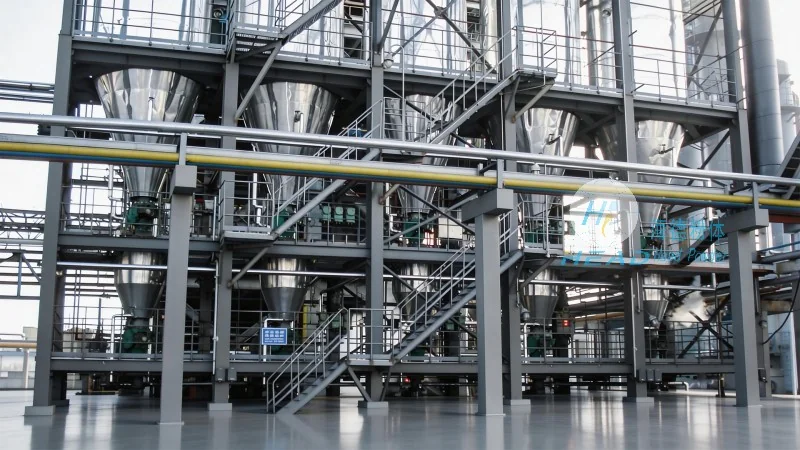
Pneumatic conveyors use air pressure to transport capsules through a pipeline system. This method is highly effective for long-distance or vertical transport, as capsules are propelled by the air flow. Pneumatic systems are particularly useful when capsules need to be moved from one floor or area to another without the need for intermediate handling.
The primary advantage of pneumatic conveyors is their ability to handle capsules in a closed system, which reduces the risk of contamination and dust exposure. They are also capable of transporting capsules at high speeds, increasing overall production efficiency. The system's design allows for easy integration with other manufacturing equipment, making it a flexible solution for various production lines.
However, pneumatic conveyors have significant limitations. The high air pressure required can lead to increased energy consumption and higher operational costs. Additionally, the system is susceptible to blockages if capsules are not properly sized or if the air flow is disrupted. The cost of installation and maintenance for pneumatic systems is also generally higher compared to other conveying methods. Furthermore, the noise generated by the air compressor can be a concern in some production environments.
Advantages and Disadvantages of Each Method
When selecting a capsule conveying method, manufacturers must consider several factors, including the type of capsules being produced, the production volume, and the available space. Screw conveyors are cost-effective and suitable for horizontal transport but may not be ideal for vertical movement or delicate capsules. Vibrating conveyors offer gentle handling and are easy to clean, making them suitable for pharmaceutical applications, though they may require noise control measures. Pneumatic conveyors are efficient for long-distance or vertical transport but have higher energy costs and maintenance requirements.
Application Considerations and Recommendations
For manufacturers producing standard-sized capsules, screw or vibrating conveyors may be sufficient. However, for high-value or delicate capsules, vibrating conveyors are often the preferred choice due to their gentle handling. If the production line requires vertical transport or long-distance movement, pneumatic conveyors may be the most efficient option, despite their higher costs.

 Shandong Headpowder Engineering Co., Ltd.
 156-6277-7102(Quản lý Trương)
  0531-83386006
  Thành phố Tế Nam, Tỉnh Sơn Đông, Trung Quốc
Điện thoại
WeChatTư vấn
Lên đầu