Với hơn 10 năm kinh nghiệm về vận chuyển khí nén, Headpowder Sơn Đông cung cấp hệ thống, thiết bị và quạt gió toàn chuỗi, đảm nhận các dự án kỹ thuật bột trọn gói trên toàn quốc.
Sulfur is a critical industrial material used in various sectors, including chemical manufacturing, agriculture, and energy production. The efficient and safe transportation of sulfur is essential for maintaining production efficiency and ensuring product quality. There are several common methods for transporting sulfur, each with its own set of advantages and disadvantages. This article provides a detailed comparison of these methods to help industrial operators choose the most suitable option for their specific needs.
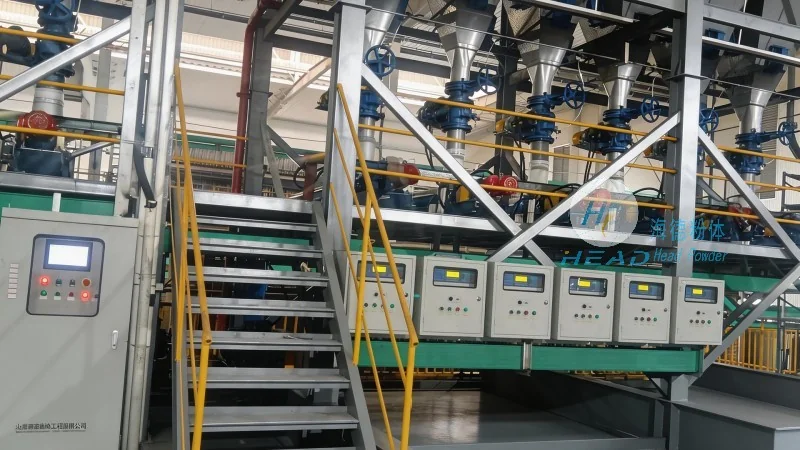
1. Pneumatic Conveying Systems
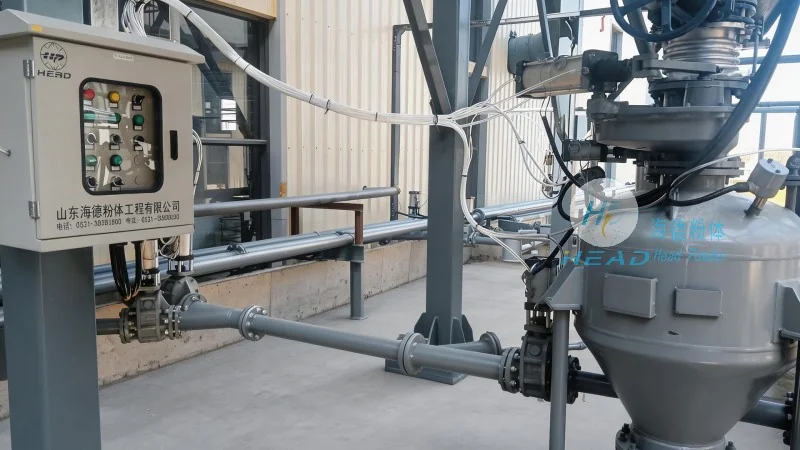
Pneumatic conveying systems use air or other gases to transport sulfur particles through a pipeline. This method is widely used for bulk sulfur handling due to its ability to move material over long distances without the need for mechanical components like belts or buckets. The primary advantage of pneumatic conveying is its flexibility in handling different sulfur forms, such as powder or granules. It can also be integrated with other processing equipment, allowing for a seamless flow of material from storage to processing units. However, pneumatic systems require significant energy input to generate the necessary air pressure, which can increase operational costs. Additionally, they may be prone to material degradation if the air velocity is too high, potentially leading to dust generation and equipment wear. Another drawback is the complexity of maintenance, as the system involves multiple components like air compressors, filters, and control valves that need regular inspection and replacement.
2. Belt Conveyors
Belt conveyors are a traditional and widely adopted method for transporting solid materials, including sulfur. They consist of a continuous belt that moves over rollers or idlers, carrying the material from one point to another. The main advantage of belt conveyors is their high capacity and ability to handle large volumes of sulfur efficiently. They are also relatively simple to install and maintain, with fewer moving parts compared to pneumatic systems. Belt conveyors can operate continuously with minimal downtime, making them suitable for high-throughput applications. However, they have limitations in terms of distance and inclination. The maximum length of a belt conveyor is typically limited to a few hundred meters, and steep inclines can cause material spillage or belt slippage. Another disadvantage is the need for regular belt replacement due to wear and tear from friction with the rollers and material. Additionally, belt conveyors may not be suitable for transporting sulfur in its liquid or highly viscous form, as the material can stick to the belt and cause operational issues.
3. Screw Conveyors
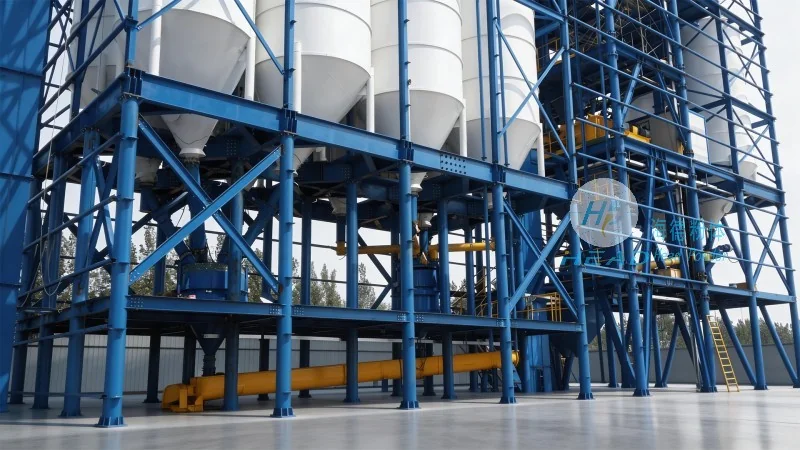
Screw conveyors, also known as auger conveyors, use a rotating screw to move sulfur along a tube or trough. This method is commonly used for horizontal or slightly inclined transport of bulk materials. The primary advantage of screw conveyors is their compact design and ability to handle a wide range of sulfur types, including powders, granules, and even semi-solid materials. They are also relatively low-cost to install and operate, with minimal maintenance requirements. Screw conveyors can be easily integrated into existing processing lines and can operate in various environments, including indoor and outdoor settings. However, they have limitations in terms of capacity and distance. The maximum capacity of a screw conveyor is typically lower than that of belt or pneumatic systems, and the distance it can transport material is limited by the screw length. Another drawback is the potential for material degradation due to the friction between the screw and the material, which can lead to particle breakdown or heat generation. Additionally, screw conveyors may not be suitable for transporting sulfur with high moisture content, as the material can clog the screw and cause operational problems.
4. Hydraulic Conveying
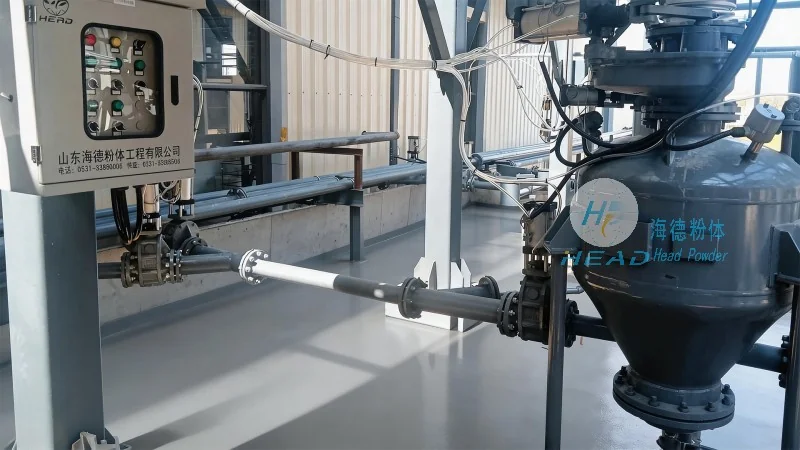
Hydraulic conveying systems use water or other liquids to transport sulfur particles through a pipeline. This method is particularly useful for transporting sulfur in its liquid or slurry form. The main advantage of hydraulic conveying is its ability to handle high volumes of material with low energy consumption compared to pneumatic systems. It is also relatively simple to operate and maintain, with fewer components like pumps and valves. Hydraulic systems can transport sulfur over long distances with minimal pressure loss, making them suitable for large-scale operations. However, they have significant limitations in terms of material compatibility. The use of water or other liquids can lead to material degradation or contamination, especially if the sulfur is sensitive to moisture or chemical reactions. Additionally, hydraulic systems require regular cleaning and maintenance to prevent clogging and corrosion, which can increase operational costs. Another drawback is the need for a separate water treatment system to recycle the liquid, which adds to the overall complexity and cost of the operation.
5. Comparison and Selection Criteria
When choosing a sulfur transportation method, several factors need to be considered to ensure the best fit for the application. The first factor is the material form and properties of the sulfur, such as its particle size, moisture content, and chemical stability. For example, pneumatic conveying is ideal for powders, while belt conveyors are better for granules. The second factor is the distance and layout of the transportation route, including the number of turns and inclines. For long distances or complex layouts, pneumatic or hydraulic systems may be more suitable. The third factor is the required capacity and throughput, as different methods have varying maximum capacities. The fourth factor is the operational cost, including energy consumption, maintenance, and equipment cost. The fifth factor is the environmental and safety considerations, such as dust control and material handling regulations. By evaluating these factors, industrial operators can select the most appropriate sulfur transportation method that balances efficiency, cost, and safety.

 Shandong Headpowder Engineering Co., Ltd.
 156-6277-7102(Quản lý Trương)
  0531-83386006
  Thành phố Tế Nam, Tỉnh Sơn Đông, Trung Quốc
Điện thoại
WeChatTư vấn
Lên đầu