Với hơn 10 năm kinh nghiệm về vận chuyển khí nén, Headpowder Sơn Đông cung cấp hệ thống, thiết bị và quạt gió toàn chuỗi, đảm nhận các dự án kỹ thuật bột trọn gói trên toàn quốc.
Shandong HeadPowder Engineering Co., Ltd., commonly known as headpowder, is a leading enterprise in the field of industrial powder handling systems. With its base in Shandong, China, the company specializes in providing efficient and reliable solutions for transporting various types of industrial powders, including cast iron fumes. This article aims to provide a detailed comparison of common cast iron fume transport methods, outlining their respective advantages and disadvantages to help industrial operators make informed decisions when selecting the most suitable system for their applications.
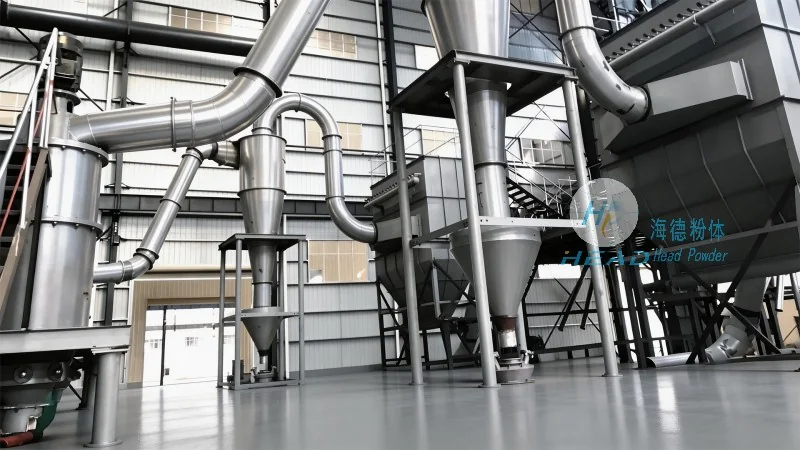
Overview of Cast Iron Fume Transport Challenges
Transporting cast iron fumes presents unique challenges due to the material's properties. Cast iron fumes are typically fine particles that can be abrasive, corrosive, or even hazardous if not handled properly. The primary goal of any transport system is to move these particles from the source to the collection or processing point while minimizing loss, contamination, and operational costs. Several methods are commonly employed, each with its own set of benefits and drawbacks.
Pneumatic Conveying via Pipes: A Common and Versatile Option
Pneumatic conveying via pipes is one of the most widely used methods for transporting cast iron fumes. This system utilizes compressed air or other gases to move the material through a network of pipes. The advantages of this method include high efficiency in moving large volumes of material over long distances, relatively low maintenance requirements compared to other systems, and the ability to handle both dry and slightly wet fumes. Additionally, pneumatic conveying can be integrated with other industrial processes, such as dust collection and material recycling, making it a flexible solution for many manufacturing environments.
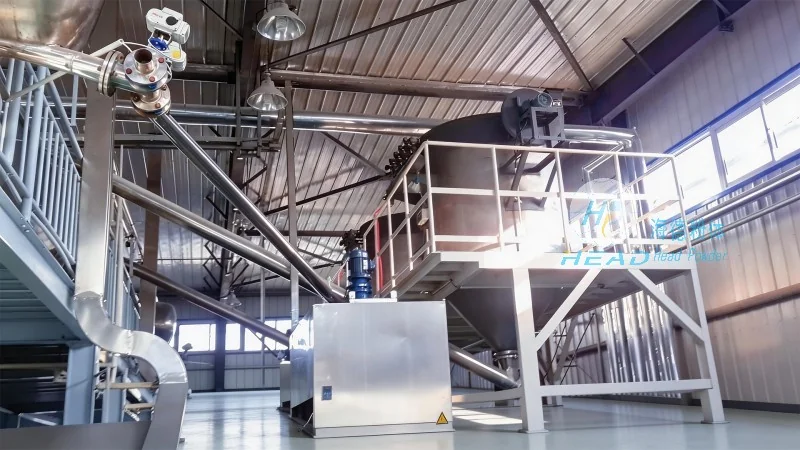
However, pneumatic conveying also has notable disadvantages. One of the main drawbacks is the high energy consumption, as it requires significant amounts of compressed air to maintain the flow. This can lead to increased operational costs, especially for large-scale operations. Another issue is the potential for material degradation, as the abrasive nature of cast iron fumes can wear down the internal surfaces of the pipes and valves over time, requiring more frequent maintenance or replacement. Furthermore, the system may be less effective for very fine or sticky fumes, as these particles can cause blockages or reduce the overall efficiency of the transport process.
Vacuum Conveying Systems: Gentle and Controlled Transport
Vacuum conveying systems operate by creating a negative pressure within the transport line, which draws the cast iron fumes from the source to the collection point. This method is often considered gentler on the material compared to pneumatic systems, as it uses lower air velocities and less abrasive forces. The primary advantage of vacuum conveying is its ability to handle delicate or sensitive fumes without causing excessive wear or degradation. It is particularly suitable for applications where the material needs to be transported without additional air mixing, which could alter its properties or cause contamination.
Despite its gentleness, vacuum conveying has several limitations. The most significant drawback is its lower capacity compared to pneumatic systems, as it is generally less efficient at moving large volumes of material over long distances. This can result in longer transport times and higher labor costs for operations requiring high throughput. Additionally, vacuum systems are more susceptible to clogging, especially with fine or sticky fumes, which can lead to system downtime and maintenance issues. The initial investment for vacuum systems is also typically higher due to the need for robust vacuum pumps and more complex control systems.
Gravity Conveying: Low-Cost and Simple for Short Distances
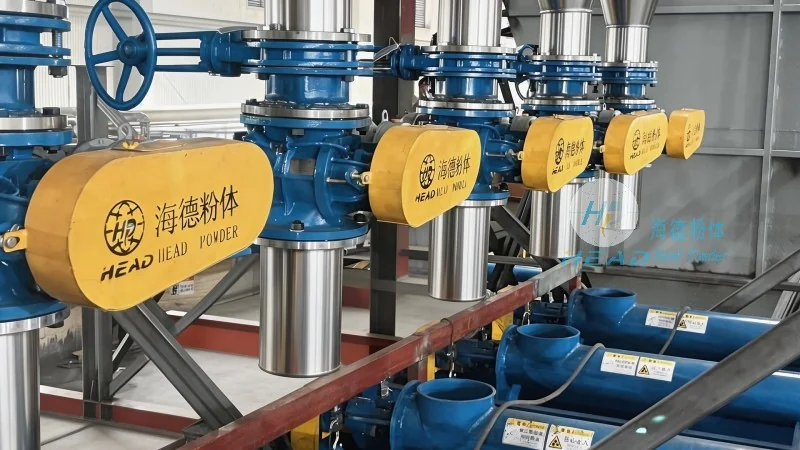
Gravity conveying relies on the natural force of gravity to move cast iron fumes from a higher to a lower elevation. This method is often used for short distances and when the material can be transported without the need for additional energy input. The main advantage of gravity conveying is its low operational cost, as it does not require any moving parts or external power sources. It is also relatively simple to install and maintain, making it an attractive option for small-scale or low-volume applications.
However, gravity conveying has significant limitations that restrict its use in many industrial settings. The most critical drawback is its dependence on the difference in elevation between the source and the destination. If the transport distance is too long or the elevation difference is insufficient, the material may not move at an acceptable rate, leading to inefficiencies. Additionally, gravity systems are not suitable for transporting fumes over horizontal distances or for applications where the material needs to be moved to a different level. The lack of control over the flow rate also makes it difficult to regulate the transport speed, which can affect the overall process efficiency.
Choosing the Right Cast Iron Fume Transport Method
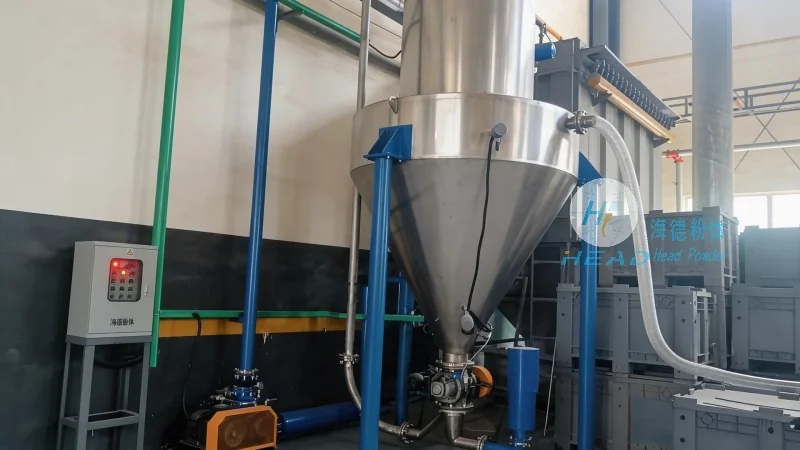
When selecting a cast iron fume transport method, industrial operators must consider several factors, including the volume and characteristics of the material, the distance to be covered, the available budget, and the specific requirements of the application. Pneumatic conveying is often the best choice for large-scale, long-distance transport of abrasive fumes, while vacuum systems are preferred for delicate or sensitive materials. Gravity conveying is suitable only for short distances and low-volume applications where cost is a primary concern.
Shandong HeadPowder Engineering Co., Ltd. offers a range of custom-designed transport solutions tailored to meet the unique needs of each client. By understanding the specific challenges and requirements of the application, the company can recommend the most appropriate system, ensuring optimal performance, efficiency, and cost-effectiveness. Whether a client needs a pneumatic, vacuum, or gravity system, headpowder provides reliable, high-quality solutions that help improve operational productivity and maintain compliance with industrial safety and environmental regulations.

 Shandong Headpowder Engineering Co., Ltd.
 156-6277-7102(Quản lý Trương)
  0531-83386006
  Thành phố Tế Nam, Tỉnh Sơn Đông, Trung Quốc
Điện thoại
WeChatTư vấn
Lên đầu