Với hơn 10 năm kinh nghiệm về vận chuyển khí nén, Headpowder Sơn Đông cung cấp hệ thống, thiết bị và quạt gió toàn chuỗi, đảm nhận các dự án kỹ thuật bột trọn gói trên toàn quốc.
Efficient rice grain conveying is a critical aspect of modern agricultural and processing operations, ensuring smooth material handling from the field to storage or further processing stages. Selecting the right conveying method is essential for optimizing productivity, minimizing operational costs, and maintaining the quality of the rice grain. This article provides a detailed comparison of common rice grain conveying methods, examining their advantages and disadvantages to help stakeholders make informed decisions. HeadPowder, a professional manufacturer based in Shandong, China, specializes in providing high-quality conveying solutions for the rice processing industry.
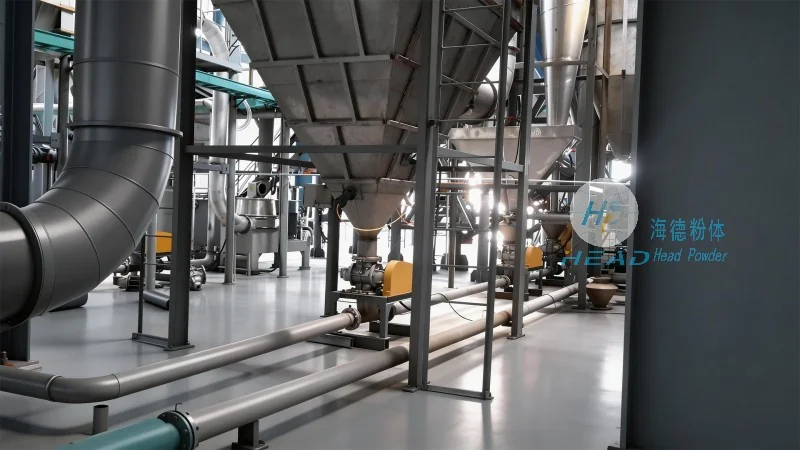
1. Bucket Elevator (Chain and Bucket Conveyor)
The bucket elevator, also known as a chain and bucket conveyor, is a vertical or inclined conveyor system that uses a continuous chain with attached buckets to transport rice grains. This method is widely used in rice processing plants due to its high capacity and ability to handle bulk materials efficiently. One of the primary advantages of the bucket elevator is its high vertical lifting capability, allowing rice to be moved from ground level to elevated storage silos or processing units with minimal space requirements. The system operates with consistent speed, ensuring a steady flow of rice grains, which is crucial for maintaining production line efficiency. Additionally, bucket elevators are relatively simple in design, making them easy to install and maintain. However, they have some notable disadvantages. The high speed of operation can cause grain damage, especially for delicate or broken grains, which may affect the quality of the final product. Moreover, the chain and bucket mechanism is prone to wear and tear over time, requiring regular maintenance to prevent breakdowns. The initial investment cost for a bucket elevator is also higher compared to some other conveying methods, which may be a barrier for smaller operations.
2. Screw Conveyor (Auger Conveyor)
A screw conveyor, or auger conveyor, is a horizontal or slightly inclined conveyor system that uses a rotating helical screw to move rice grains along a trough. This method is particularly suitable for transporting rice in a controlled manner, especially when the material needs to be mixed or blended with other ingredients. The screw conveyor offers several advantages, including its ability to handle a wide range of grain sizes and moisture content. It is also relatively compact and can be easily integrated into existing processing lines. The system operates quietly and with low energy consumption, making it an energy-efficient choice for rice handling. Another benefit is its self-priming capability, which allows it to start conveying material without needing to pre-fill the conveyor. However, screw conveyors have limitations that must be considered. The high friction between the screw and the rice grains can lead to overheating, especially when handling large volumes or for extended periods. This can affect the grain quality and may require additional cooling measures. Furthermore, the screw conveyor is not suitable for vertical lifting, as it is primarily designed for horizontal or slight incline applications. The capacity of a screw conveyor is also limited compared to vertical conveyors like bucket elevators, which may restrict its use in high-volume operations.
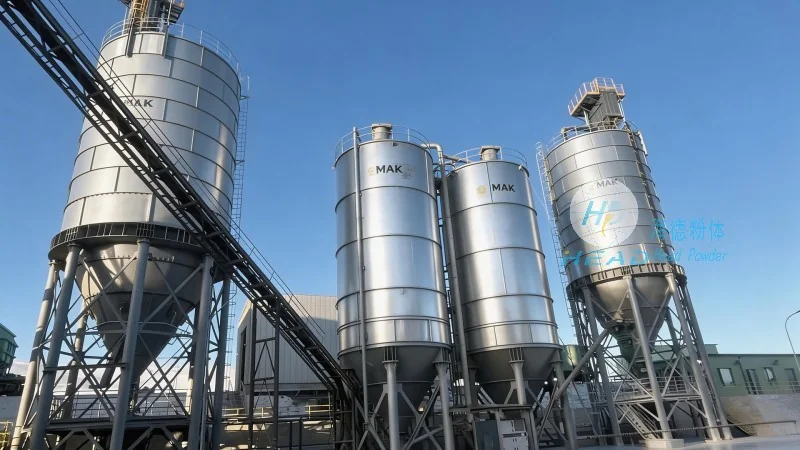
3. Pneumatic Conveying System
Pneumatic conveying systems use air or gas to transport rice grains through a pipeline. This method is ideal for applications that require dust-free handling, as the material is enclosed within the pipeline, preventing contamination and exposure to the environment. Pneumatic conveying offers several advantages, including the ability to transport rice over long distances and through multiple processing stages without the need for intermediate storage. The system is also flexible, as it can be easily reconfigured to adapt to changing production needs. The use of air as the conveying medium allows for gentle handling of the rice grains, minimizing damage and preserving quality. Additionally, pneumatic systems can be integrated with other processing equipment, such as classifiers or separators, to create a seamless material handling process. However, pneumatic conveying has significant drawbacks that must be addressed. The system requires a high volume of air, which increases energy consumption and operational costs. The initial investment for a pneumatic system is also substantial, as it involves complex components like blowers, filters, and pipeline networks. Furthermore, the system is susceptible to blockages if the rice grain contains moisture or foreign materials, which can cause operational disruptions and require frequent maintenance. The maintenance of pneumatic systems is also more complex compared to mechanical conveyors, as it involves cleaning and replacing filters regularly.
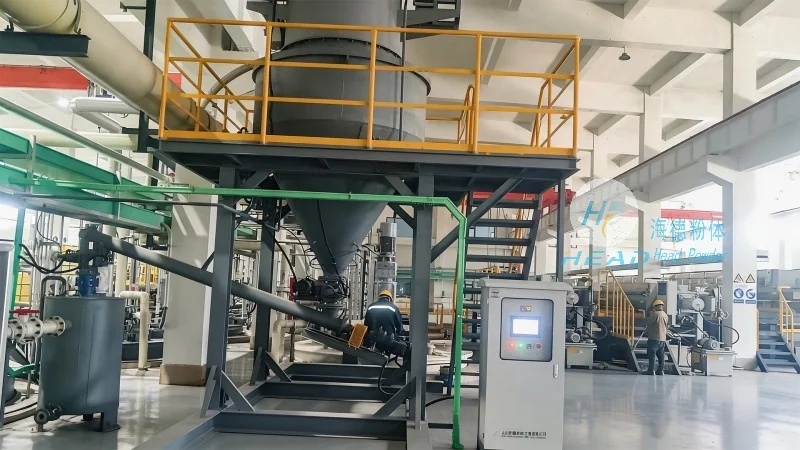
4. Belt Conveyor
A belt conveyor is a horizontal or inclined conveyor system that uses a continuous belt to transport rice grains. This method is commonly used in bulk handling operations, such as loading and unloading rice from trucks or ships. The belt conveyor offers several advantages, including its high capacity and ability to handle large volumes of material. It is also relatively simple to operate and maintain, with minimal moving parts compared to other conveying systems. The system is durable and can withstand heavy loads, making it suitable for high-traffic processing facilities. Another benefit is its low energy consumption, as it operates with a constant speed and requires less power than other methods. However, belt conveyors have limitations that affect their suitability for rice grain handling. The belt material may be susceptible to wear and tear from the abrasive nature of rice grains, requiring regular replacement to prevent breakdowns. The system is also not suitable for vertical lifting, as it is primarily designed for horizontal or slight incline applications. The belt conveyor is also prone to material spillage, which can lead to dust and contamination issues, especially in enclosed environments. Additionally, the initial investment cost for a belt conveyor is higher compared to some other mechanical conveyors, which may be a consideration for budget-conscious operations.
5. Comparison Summary
When selecting a rice grain conveying method, it is essential to consider the specific requirements of the operation, including the volume of material, the distance to be transported, the need for vertical lifting, and the budget constraints. The bucket elevator is ideal for high vertical lifting and large volumes but requires higher maintenance and initial costs. The screw conveyor is suitable for horizontal transport and mixing but has limitations in capacity and vertical lifting. The pneumatic system offers dust-free handling and flexibility but has high energy costs and complex maintenance. The belt conveyor is efficient for bulk handling but may not be suitable for vertical lifting and has durability concerns. HeadPowder, a leading manufacturer of rice grain conveying equipment, based in Shandong, China, provides tailored solutions to meet the diverse needs of the rice processing industry. By understanding the advantages and disadvantages of each method, stakeholders can choose the most appropriate conveying system to optimize their operations and ensure the quality of their rice grain products.

 Shandong Headpowder Engineering Co., Ltd.
 156-6277-7102(Quản lý Trương)
  0531-83386006
  Thành phố Tế Nam, Tỉnh Sơn Đông, Trung Quốc
Điện thoại
WeChatTư vấn
Lên đầu