Với hơn 10 năm kinh nghiệm về vận chuyển khí nén, Headpowder Sơn Đông cung cấp hệ thống, thiết bị và quạt gió toàn chuỗi, đảm nhận các dự án kỹ thuật bột trọn gói trên toàn quốc.
When it comes to the efficient handling and transportation of rapeseed in industrial and agricultural settings, selecting the right conveying method is crucial for optimizing workflow, reducing operational costs, and ensuring product integrity. This article provides a detailed comparison of common rapeseed conveying methods, highlighting their advantages and disadvantages to help businesses make informed decisions.
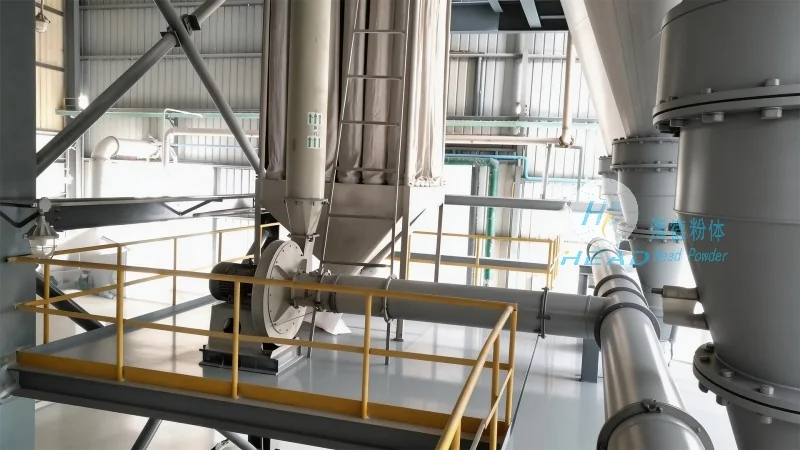
Overview of Rapeseed Conveying Methods
Rapeseed, also known as canola seed, is a key agricultural product used in the production of oil, animal feed, and biofuels. The efficient transport of these seeds from storage facilities to processing plants or other destinations is essential for maintaining productivity and minimizing losses. Various conveying systems are employed, each with its own set of characteristics that make it suitable for specific applications.
1. Belt Conveyors for Rapeseed Transport
Belt conveyors are one of the most widely used methods for transporting rapeseed due to their versatility and reliability. These systems consist of a continuous belt that moves over rollers or a flat surface, carrying the seeds from one point to another. The primary advantage of belt conveyors is their ability to handle large volumes of material with minimal maintenance. They are particularly effective for horizontal or slightly inclined transport, making them ideal for moving rapeseed from silos to processing lines.
However, belt conveyors have some limitations. They may not be suitable for steep inclines, as this can lead to increased wear on the belt and rollers. Additionally, they require regular cleaning to prevent seed buildup, which can affect efficiency and hygiene. The initial investment for a belt conveyor system is also higher compared to some other methods, though the long-term operational costs are generally lower due to reduced maintenance needs.
2. Screw Conveyors (Pneumatic or Mechanical)
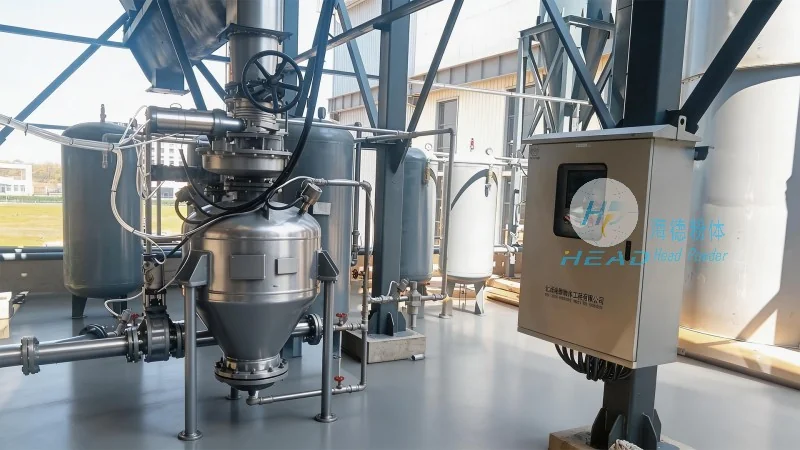
Screw conveyors, also known as auger conveyors, are another popular option for rapeseed transport. These systems use a rotating screw (auger) to move the seeds through a tube or trough. Pneumatic screw conveyors use air pressure to assist in the movement, while mechanical screw conveyors rely solely on the screw's rotation. The main advantage of screw conveyors is their compact design, which allows for vertical or inclined transport without the need for complex machinery.
Nevertheless, screw conveyors have their drawbacks. They can be less efficient for very large volumes, as the screw may need to be larger or more powerful to handle the load. Additionally, they are prone to clogging, especially if the rapeseed contains moisture or debris. This can lead to downtime and increased maintenance costs. The material of the screw and trough is also critical; if not properly selected, it may corrode or wear down quickly, reducing the system's lifespan.
3. Bucket Elevators for Vertical Rapeseed Transport
For applications requiring vertical transport of rapeseed, bucket elevators are an excellent choice. These systems consist of a series of buckets attached to a belt or chain that moves vertically, lifting the seeds from a lower to a higher level. The primary advantage of bucket elevators is their high capacity and ability to handle steep vertical inclines, making them ideal for moving rapeseed from ground-level storage to elevated processing areas.
However, bucket elevators have specific limitations. They are more complex and expensive to install compared to other methods, and their maintenance requirements are higher due to the moving parts and the need for regular inspection of the buckets and belt. Additionally, they may not be suitable for very fine or delicate rapeseed, as the buckets can cause some abrasion or damage to the seeds.
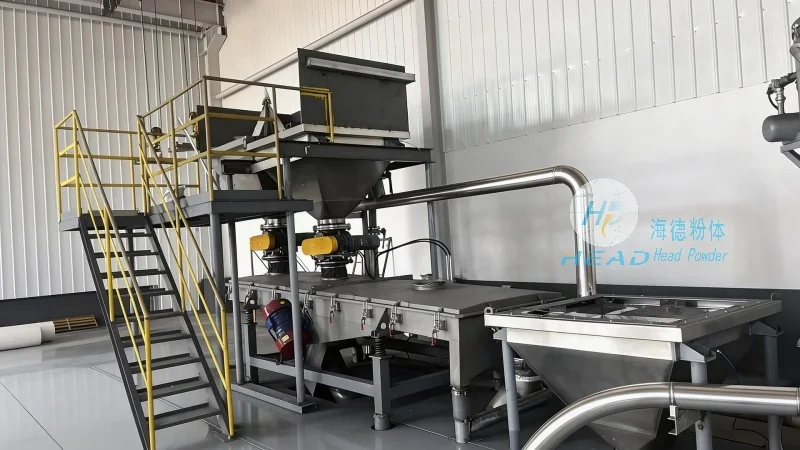
4. Pneumatic Conveying Systems
Pneumatic conveying systems use air pressure to transport rapeseed through a pipeline. These systems can be classified as positive pressure (where air pushes the material) or negative pressure (where air pulls the material). The main advantage of pneumatic conveying is its ability to handle both horizontal and vertical transport in a single system, making it highly flexible. It is also relatively quiet and can be integrated with other processing equipment without the need for additional machinery.
Despite these benefits, pneumatic conveying has significant drawbacks. It is generally less efficient for large volumes, as the air pressure required can be high, leading to increased energy consumption. Additionally, the system is prone to clogging, especially if the rapeseed is wet or contains foreign objects. The cost of the system is also higher due to the need for specialized components like air compressors and filters. Maintenance is also more complex, as the system requires regular cleaning of the filters and pipelines to prevent blockages.
5. Chain and Flight Conveyors
Chain and flight conveyors are another option for rapeseed transport, particularly in applications where the material needs to be moved over long distances or through complex layouts. These systems consist of a chain with flights (flaps or paddles) that move along a track, carrying the seeds from one point to another. The primary advantage of chain and flight conveyors is their ability to handle steep inclines and long horizontal distances with minimal wear on the material.
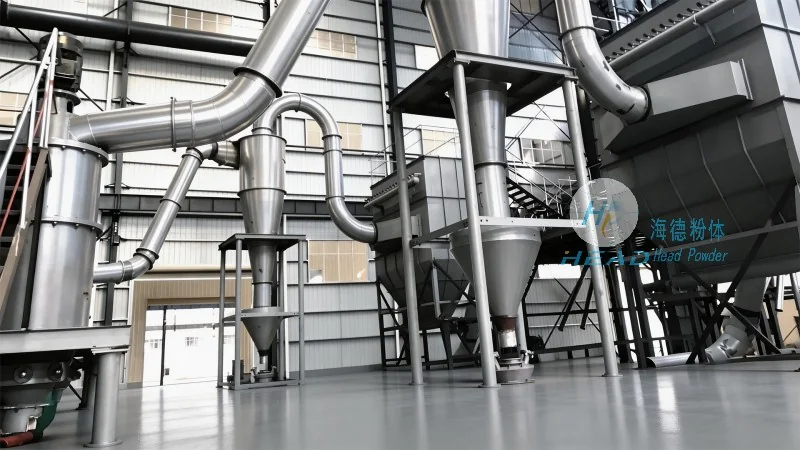
However, these conveyors have their limitations. They are more expensive to install and maintain compared to other methods, as the chain and flights require regular lubrication and inspection. Additionally, they can be noisy and may cause some abrasion to the rapeseed, affecting its quality. The system is also less flexible in terms of layout changes, as modifying the chain and flight path can be complex and costly.
Conclusion: Choosing the Right Rapeseed Conveying Method
Selecting the appropriate rapeseed conveying method depends on several factors, including the volume of material to be transported, the distance and elevation changes required, the budget available, and the specific characteristics of the rapeseed (such as moisture content and size). Belt conveyors are ideal for large volumes and horizontal transport, while screw and bucket elevators are better suited for vertical or compact spaces. Pneumatic systems offer flexibility but at a higher cost, and chain and flight conveyors are suitable for long distances and complex layouts.
For businesses seeking reliable and efficient rapeseed conveying solutions, Shandong HeadPowder Engineering Co., Ltd. provides expert consultation and customized systems tailored to their specific needs. With years of experience in the industry, HeadPowder understands the unique challenges of rapeseed handling and offers solutions that optimize productivity while minimizing operational costs. Whether you need a belt conveyor, screw conveyor, or any other system, HeadPowder's team of engineers and technicians will work with you to design and implement the best solution for your operation.

 Shandong Headpowder Engineering Co., Ltd.
 156-6277-7102(Quản lý Trương)
  0531-83386006
  Thành phố Tế Nam, Tỉnh Sơn Đông, Trung Quốc
Điện thoại
WeChatTư vấn
Lên đầu