Với hơn 10 năm kinh nghiệm về vận chuyển khí nén, Headpowder Sơn Đông cung cấp hệ thống, thiết bị và quạt gió toàn chuỗi, đảm nhận các dự án kỹ thuật bột trọn gói trên toàn quốc.
When it comes to handling synthetic fibers in industrial settings, selecting the right conveying method is crucial for efficiency, cost-effectiveness, and product integrity. Synthetic fibers, such as polyester, nylon, and acrylic, are widely used in textiles, composites, and other applications, and their handling requires specialized equipment to prevent damage and ensure smooth operation. This article provides a comparative analysis of common synthetic fiber conveying methods, examining their advantages and disadvantages to help businesses make informed decisions.
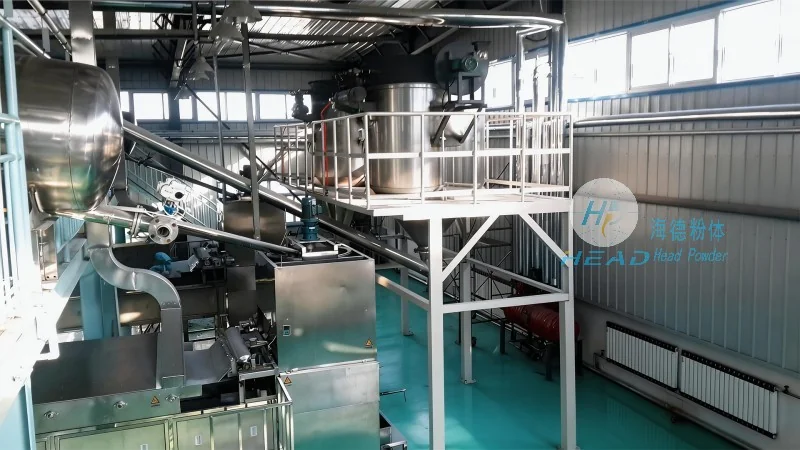
Understanding Synthetic Fiber Conveying: Key Considerations
Before diving into specific methods, it's essential to understand the unique properties of synthetic fibers that influence conveying choices. These fibers are often lightweight, abrasive, and prone to static electricity, which can affect the performance of conveying systems. Factors like fiber length, density, and moisture content also play a role in determining the most suitable method. For instance, longer fibers may require gentler handling to avoid breakage, while shorter fibers might be more compatible with high-speed systems. Additionally, the environment where the fibers are being conveyed—such as temperature, humidity, and presence of dust—can impact the choice of equipment. By considering these factors, businesses can select a conveying method that minimizes downtime, reduces maintenance costs, and maintains the quality of the fibers.
1. Screw Conveyors: The Traditional Choice for Uniform Materials
Screw conveyors, also known as auger conveyors, are a popular choice for transporting synthetic fibers due to their simplicity and effectiveness. These systems consist of a rotating helical screw inside a trough, which moves material forward through the screw's rotation. The primary advantage of screw conveyors is their ability to handle a wide range of materials, including dry and bulk materials, with minimal maintenance. They are particularly suitable for conveying fibers that are relatively uniform in size and shape, as the screw's design can prevent material from getting stuck or damaged. However, screw conveyors have limitations when it comes to handling abrasive or fibrous materials, as the screw and trough can wear out quickly. Additionally, they are not ideal for conveying materials with high moisture content, as the screw may not be able to move the material efficiently. For businesses dealing with synthetic fibers, screw conveyors are often used for short-distance transport or for feeding materials into other processing equipment. The design of screw conveyors can be customized to handle specific fiber types, with options like variable pitch screws or flexible troughs to accommodate different fiber characteristics.
2. Belt Conveyors: High-Capacity Solutions for Bulk Handling
Belt conveyors are another common method for transporting synthetic fibers, especially in applications requiring high capacity and long-distance transport. These systems use a continuous belt that moves over rollers or pulleys, carrying the material from one point to another. The main advantage of belt conveyors is their ability to handle large volumes of material at high speeds, making them suitable for bulk handling operations. They are also relatively low-maintenance and can be easily integrated into existing production lines. However, belt conveyors have some drawbacks when it comes to handling delicate or abrasive fibers. The belt material may wear out quickly if the fibers are too abrasive, and the system may require more space than other methods. Additionally, belt conveyors are not suitable for conveying materials with high moisture content, as the belt may slip or become damaged. For synthetic fibers, belt conveyors are often used in textile mills or composite manufacturing plants to transport raw materials or finished products. The choice of belt material, such as rubber or PVC, is critical to ensure compatibility with the fiber type and to prevent damage.
3. Pneumatic Conveying: Gentle and Flexible for Delicate Fibers
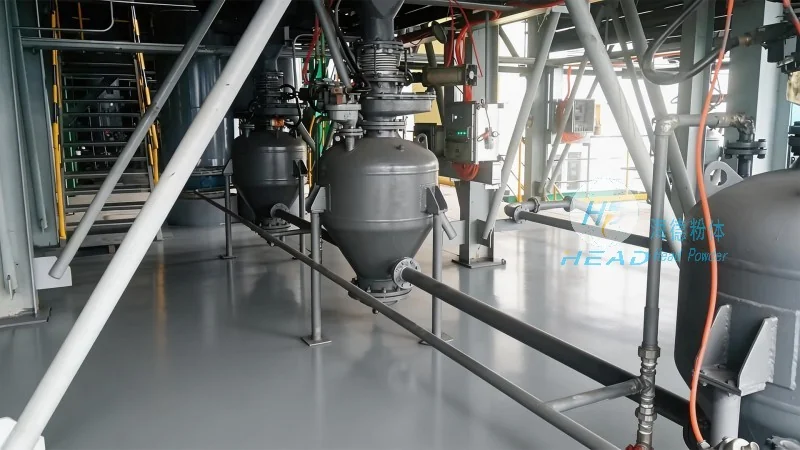
Pneumatic conveying systems use air or other gases to transport synthetic fibers, making them ideal for handling delicate or abrasive materials. These systems can be classified into two main types: pressure and vacuum. Pressure systems use compressed air to push the material through a pipeline, while vacuum systems use a vacuum to pull the material. The primary advantage of pneumatic conveying is its ability to handle materials gently, reducing the risk of damage or breakage. This is particularly important for synthetic fibers, which can be easily damaged by impact or friction. Additionally, pneumatic systems can transport materials over long distances and can be easily integrated with other processing equipment. However, pneumatic conveying has some limitations, such as higher energy consumption compared to other methods and the need for regular maintenance of the air system. The system's design, including the size of the pipeline and the type of air nozzle, is critical to ensure efficient and effective conveying. For synthetic fibers, pneumatic conveying is often used in applications where the fibers need to be handled gently, such as in textile processing or composite manufacturing.
4. Vibrating Conveyors: Efficient for Free-Flowing Materials
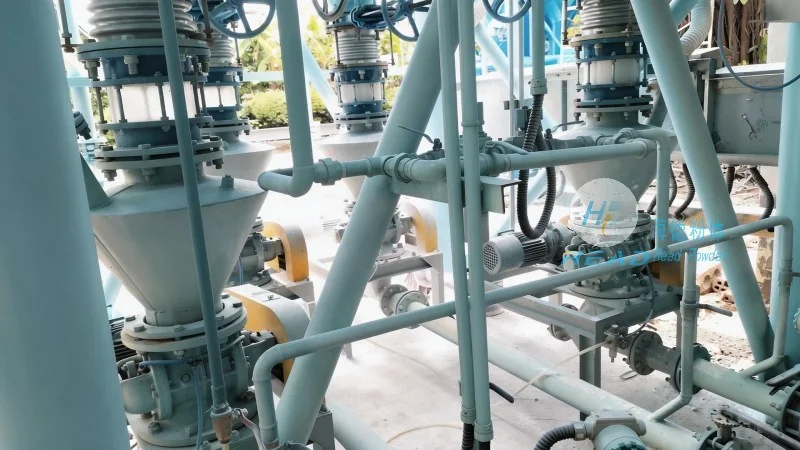
Vibrating conveyors use vibrations to move synthetic fibers along a trough, making them suitable for handling free-flowing materials. These systems consist of a trough that is mounted on vibration motors, which cause the trough to vibrate at a specific frequency. The primary advantage of vibrating conveyors is their ability to handle materials with high moisture content or that are prone to caking, as the vibrations prevent the material from sticking to the trough. They are also relatively low-maintenance and can be easily adjusted to handle different material types. However, vibrating conveyors have limitations when it comes to handling abrasive or fibrous materials, as the vibration can cause wear and tear on the system components. Additionally, they are not ideal for conveying materials over long distances, as the vibrations may cause the material to lose its shape or structure. For synthetic fibers, vibrating conveyors are often used in applications where the fibers are free-flowing and require gentle handling, such as in the production of nonwoven fabrics or composite materials. The design of vibrating conveyors can be customized to handle specific fiber characteristics, with options like variable vibration frequency or adjustable trough angles to optimize performance.
5. Comparison and Selection Guide: Choosing the Right Conveying Method
When selecting a conveying method for synthetic fibers, it's important to consider several factors, including the material's properties, the required capacity, the distance to be covered, and the overall cost. The table below provides a comparison of the common synthetic fiber conveying methods discussed above, highlighting their advantages and disadvantages:
Conveying Method
Advantages
Disadvantages
Best Suited For
Screw Conveyors
Simple design, low maintenance, suitable for uniform materials
Not ideal for abrasive or high-moisture materials, limited capacity
Short-distance transport, feeding materials
Belt Conveyors
High capacity, long-distance transport, low maintenance
Not suitable for delicate or abrasive fibers, requires space
Bulk handling, textile mills
Pneumatic Conveying
Gentle handling, long-distance transport, flexible
Higher energy consumption, requires regular maintenance
Delicate or abrasive fibers, high-moisture materials
Vibrating Conveyors
Efficient for free-flowing materials, low maintenance
Not ideal for abrasive or long-distance transport, vibration wear
Free-flowing fibers, caking materials
Based on the comparison above, the choice of conveying method depends on the specific needs of the business. For example, if the business is dealing with high-volume, uniform synthetic fibers and requires long-distance transport, a belt conveyor may be the best choice. If the fibers are delicate and prone to damage, pneumatic conveying may be more suitable. For short-distance transport or feeding operations, a screw conveyor could be the most cost-effective option. It's also important to consider the overall cost of the system, including installation, maintenance, and energy consumption, as these factors can significantly impact the long-term performance of the conveying system.

 Shandong Headpowder Engineering Co., Ltd.
 156-6277-7102(Quản lý Trương)
  0531-83386006
  Thành phố Tế Nam, Tỉnh Sơn Đông, Trung Quốc
Điện thoại
WeChatTư vấn
Lên đầu